Choosing the right flooring is paramount for any home renovation. Homeowners often debate between elegant encaustic cement tiles and familiar traditional flooring options. Below, this article examines the strengths and drawbacks of each to help guide your decision.
This analysis covers crucial aspects like material durability, design versatility, and cost considerations. In this article, you’ll gain clear insights to make an informed choice for your flooring needs.
Encaustic Cement Tile and Traditional Flooring Overview
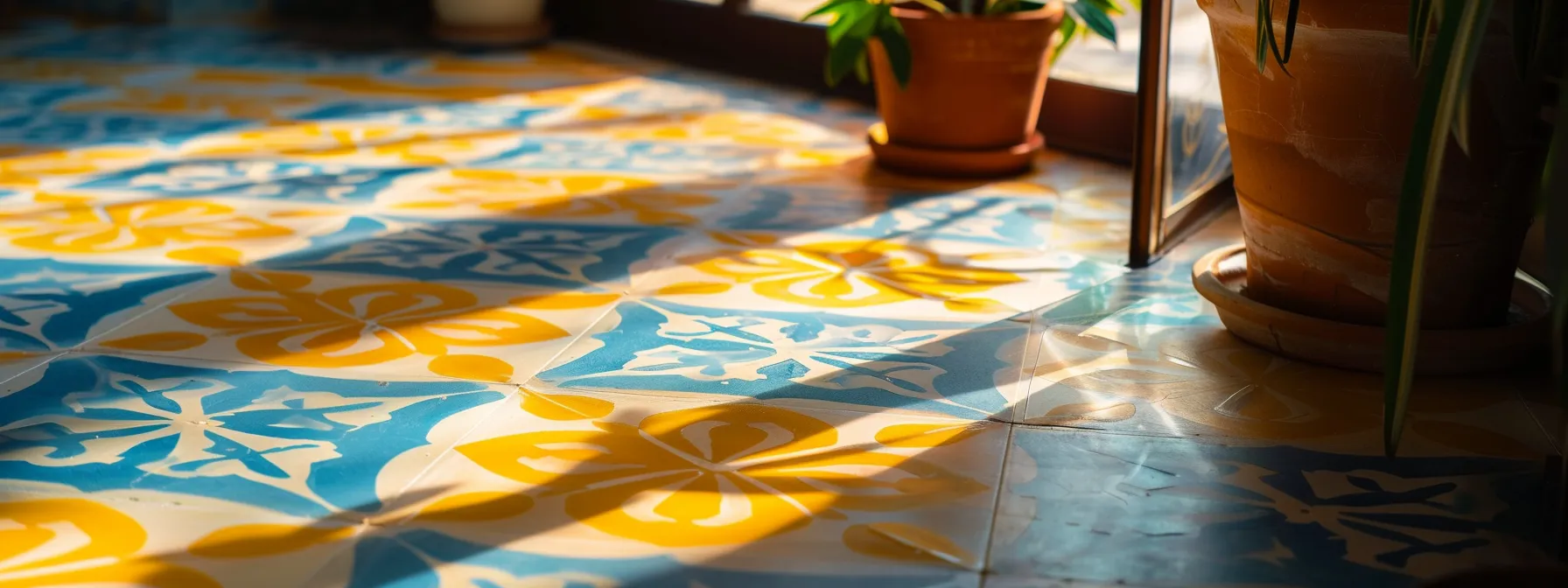
Encaustic cement tiles are renowned for their vibrant patterns and durability. Unlike traditional flooring options such as wood or laminate, these tiles are handmade, offering unique designs with every batch. encaustic cement tile This craftsmanship adds a unique charm to any space they adorn.
In contrast, traditional flooring options such as hardwood or laminate provide more uniformity and ease of installation. Traditional flooring is generally preferred in areas where a consistent look is crucial, and its installation is straightforward compared to encaustic tiles.
Evaluate your space’s design needs to decide between these options. For areas requiring a distinct visual impact, encaustic cement tiles are ideal. Traditional flooring is preferable in spaces focused on ease and uniformity, like office settings.
Material Composition and Durability Comparison
Encaustic cement tiles boast remarkable endurance, often used in high-traffic areas. Their sound and thermal insulation properties make them practical for busy households. Crafted from layers of marble and natural pigments, they withstand wear over time.
In contrast, traditional flooring, like hardwood or laminate, can be sensitive to water and environmental changes. While aesthetically pleasing, hardwood floors require regular maintenance, including refinishing, to preserve their look. Laminate offers better water resistance but may not match cement in terms of longevity.
If durability is a primary concern, encaustic cement tiles are a robust choice. Their resistance to routine wear and tear makes them suitable for kitchens and outdoor spaces. For a lower-maintenance floor, evaluate trends in laminate and engineered wood flooring options.
Design Versatility and Aesthetic Appeal
Encaustic tiles offer a wide range of design choices, from modern geometric patterns to traditional motifs. This versatility allows homeowners to customize their spaces uniquely and creatively. Their vibrant colors and intricate designs make these tiles a centerpiece in any room.
Traditional flooring options, such as hardwood, offer a classic and timeless appearance. While less varied in pattern, they bring a warmth and coziness to interiors that encaustic tiles might not provide. Additionally, design experts often advise mingling various styles to create a balanced decor.
Consider your design aspirations before choosing between these options. Encaustic tiles are perfect for bold, artistic expressions, while traditional flooring suits understated elegance. Blend both in adjoining rooms for a harmonious balance.
Cost and Installation Considerations
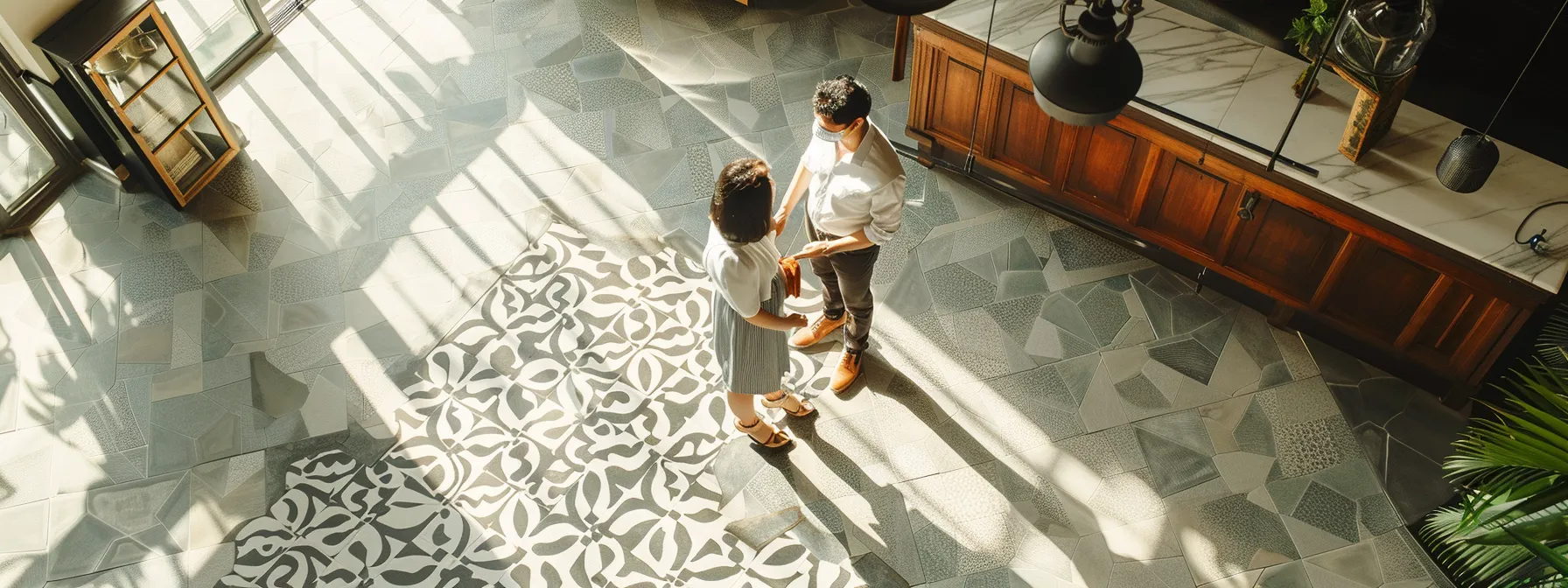
Encaustic cement tiles are generally pricier to purchase and install than many traditional flooring options. Their installation involves meticulous laying and sealing processes, which can add to overall expenses. However, their longevity can offer long-term savings.
On the other hand, traditional flooring types like laminate or carpet are more budget-friendly. They usually require less time and effort to install, reducing labor costs. This efficiency makes them attractive to budget-conscious renovators.
Decide by weighing immediate budget constraints against long-term value. While encaustic tiles may involve a higher initial investment, they could yield returns in durability and unique style. Traditional floors provide cost-effective solutions, suitable for tight timelines and budgets.
In conclusion, the choice between encaustic cement tiles and traditional flooring depends significantly on individual priorities and space requirements. Consider durability, design versatility, and cost impact when making your selection. Each option has its own set of advantages tailored to different renovation needs.
FAQs
Encaustic cement tiles are handmade with intricate patterns, while traditional flooring like wood or laminate offers a more uniform and consistent look.
Yes, encaustic cement tiles are highly durable and perform well in high-traffic areas, whereas traditional options like hardwood may wear faster over time.
They require sealing and occasional upkeep, while traditional flooring like laminate generally needs less maintenance.
Encaustic cement tiles handle moisture better than hardwood, though some laminate and engineered options also offer water resistance.
Yes, they typically have higher upfront and installation costs compared to most traditional flooring options.
Yes, their durability makes them suitable for outdoor spaces like patios and walkways.
Yes, traditional flooring such as laminate or engineered wood is usually quicker and easier to install.
Encaustic cement tiles provide greater design versatility with bold patterns, while traditional flooring focuses on classic, subtle aesthetics.
Yes, many homeowners blend both to create visual contrast and balance across different areas of a home.
Encaustic cement tiles may offer better long-term value due to durability, while traditional flooring is more budget-friendly upfront.