This post contains affiliate links. As an Amazon Associate, I earn from qualifying purchases, at no extra cost to you. See our disclosure policy.
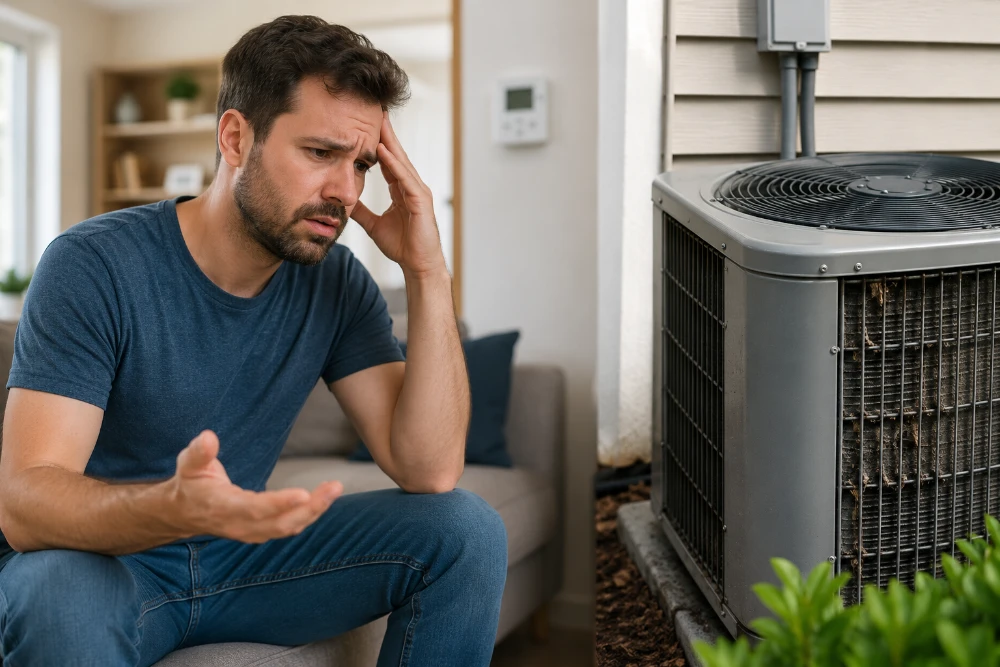
You hear the unit humming and feel air moving through the vents, but the temperature inside keeps climbing. If your AC is running but not cooling the house, it’s becoming a daily frustration; the system may be operating without effectively removing heat from your home. Understanding why this happens can help you identify the right solution faster.
The Difference Between “Running” and “Working” in an AC System
A system that is running simply means the fan and compressor have activated. A system that is working actively removes heat from indoor air and produces cooled output. These are two very different states.
When your house AC is running but not cooling, the mechanical process has broken down somewhere between activation and cooling performance. Scheduling a diagnostic with a qualified provider of AC services can pinpoint the exact cause before a minor issue becomes a costly repair.
6 Most Common Reasons AC Is Not Reaching Set Temperature
Many homeowners notice their AC not reaching the set temperature even though the equipment appears to be functioning normally. Common causes include:
- Dirty air filter — A clogged filter blocks airflow so severely that the system can’t cool the space. It’s the most common and easiest fix.
- Refrigerant leak — Low refrigerant means the system can’t absorb heat, even while running continuously.
- Frozen evaporator coil — Restricted airflow or low refrigerant causes moisture to freeze on the coil, blocking heat transfer.
- Dirty condenser coil — A debris-coated outdoor unit can’t release heat, causing efficiency to collapse.
- Thermostat malfunction — An inaccurate thermostat cycles the system incorrectly and prevents it from reaching the set temperature.
- Undersized or aging system — A unit too small for your home, or one worn from years of use, may simply lack the capacity to keep up during peak heat.
How to Diagnose the Problem Before Calling a Technician
Start with these checks before making a service call:
- Replace the air filter if it’s been more than 60 days
- Confirm the thermostat is set to “cool” and below the current room temperature
- Clear any debris from around the outdoor condenser unit
- Check that supply vents throughout the house are open and unobstructed
- Look for frost or ice on the indoor air handler, which signals airflow or refrigerant problems
If you’re asking, Why is my AC running but not cooling my house, these simple inspections may reveal the issue before a service visit is needed.
Which Issues Can a Homeowner Fix vs. Which Need a Pro
DIY-friendly: filter replacement, debris clearing, thermostat battery swap, resetting tripped breakers.
Requires a licensed technician: refrigerant diagnosis and recharge (EPA-regulated), coil cleaning, compressor testing, and electrical component replacement.
Never attempt refrigerant work without certification — it’s illegal and can cause further damage to the system.
How Much Do These Repairs Typically Cost?
| Repair | Estimated Cost |
| Air filter replacement | $5–$30 (DIY) |
| Thermostat replacement | $150–$400 installed |
| Refrigerant recharge | $200–$400+ |
| Frozen coil diagnosis | $200–$600 |
| Compressor replacement | $1,200–$2,800 |
If repair costs approach 50% of a new system’s price and the unit is over 10 years old, replacement is worth evaluating.
Preventive Steps to Avoid This Problem Next Summer
- Change the air filter every 1–3 months
- Schedule a professional tune-up each spring, before the first heat wave
- Keep the outdoor condenser clear of vegetation and debris year-round
- Monitor energy bills — a sudden spike often signals the system is working harder than it should
Preventive care costs far less than emergency repairs in the middle of July.
FAQs
Start by checking the thermostat settings and replacing a dirty air filter. These simple fixes can sometimes restore proper cooling.
The system may have low refrigerant, a frozen coil, restricted airflow, or another mechanical issue preventing effective cooling.
Yes. A clogged filter restricts airflow and can significantly reduce the system’s ability to cool your home.
Common signs include warm air from vents, longer run times, ice buildup on coils, and reduced cooling performance.
Possible causes include thermostat problems, airflow restrictions, refrigerant issues, or an undersized air conditioning system.
Longer run times can be normal during extreme heat, but continuous operation without reaching the desired temperature often indicates a problem.
You can turn off the system and replace a dirty filter, but the underlying cause should be diagnosed by a professional.
Most filters should be replaced every 1–3 months, depending on filter type, pets, and indoor air quality conditions.
If the unit is over 10 years old and repair costs approach half the price of a replacement, upgrading may be the better investment.
Regular filter changes, annual maintenance, and keeping the outdoor unit free of debris can help prevent most cooling issues.