
Moving house ranks alongside divorce and bereavement as one of the most stressful experiences a person can go through. Surveys from both sides of the Atlantic confirm it year after year, and yet millions of people complete successful moves every single year without drama, tears, or damaged furniture. The difference almost always comes down to planning.
A well-organised move follows a predictable rhythm. There are things you should be doing eight weeks out, things that belong in the final fortnight, and decisions that need to be locked in before the lorry arrives. Miss the rhythm and everything compounds. Hit it, and moving day itself becomes surprisingly uneventful.
This guide breaks the entire process into stages so that nothing gets forgotten, nothing gets rushed, and you arrive at your new front door feeling something closer to excitement than exhaustion.
Eight Weeks Out: Lay the Groundwork
The planning phase is where most people either set themselves up for success or quietly guarantee chaos. Eight weeks before your move, your focus should be entirely administrative.
Start by gathering quotes from removal companies. A minimum of three is standard practice, but the cheapest quote should never win automatically. Look at what is included — some companies bundle packing materials and insurance into the price while others charge for everything separately. A quote that appears fifty pounds cheaper can end up costing significantly more once extras are factored in.
At the same time, begin notifying the people and organisations that need to know you are moving. Your energy supplier, broadband provider, local council, GP surgery, and employer all need your updated address. Royal Mail offers a postal redirection service that catches anything you forget, and it is worth setting up even if you think you have covered everything. Something always slips through.
This is also the time to start a moving file, whether physical or digital. Every quote, confirmation email, utility reference number, and receipt goes into this file. When moving day arrives and you need to check a detail at short notice, you will be grateful it exists.
Six Weeks Out: Declutter Ruthlessly
Every item you move costs money. It takes up space on the van, it requires packing materials, and it demands your time at the other end. Before a single box is assembled, walk through your home room by room and ask one question about each item: does this deserve a place in my new home?
Be honest. The exercise bike that has been gathering dust for three years is not coming back into regular use. The stack of magazines in the spare room has no sentimental value. The mismatched crockery at the back of the kitchen cupboard can go.
Charity shops, online marketplaces, and local recycling centres make it straightforward to offload items responsibly. Some charities will even collect larger pieces of furniture from your doorstep. Whatever you remove from the equation now saves time and money later.
Four Weeks Out: Start Packing
Begin with the rooms and belongings you use least. Guest bedrooms, lofts, garages, and storage cupboards are natural starting points. Books, seasonal clothing, decorative items, and anything you will not need before the move should be boxed up and labelled.
Labelling is not optional. Write the destination room and a brief description of contents on at least two sides of every box. Some people go further and number their boxes against a master list on their phone, which makes it easy to confirm everything has arrived and nothing has gone missing.
For fragile items, invest in proper materials. Plates should be packed vertically, not stacked flat — they are far more resistant to pressure in this orientation. Wrap glasses individually and place them in smaller boxes to avoid excessive weight. Anything genuinely irreplaceable — jewellery, documents, family photographs — should travel with you personally rather than on the van.
Choosing the Right Removal Company
This single decision has more influence over your moving day experience than almost anything else. A good removal company transforms the day; a bad one ruins it entirely.
For families and professionals seeking professional home removals London remains one of the most challenging cities to navigate on moving day. Parking restrictions, congestion charges, narrow Victorian terraces, and buildings without lift access all create complications that experienced movers know how to handle and inexperienced ones do not.
Look for companies that conduct a pre-move survey, either in person or via video call. This allows them to assess the volume of your belongings, identify any access issues, and provide an accurate quote rather than a rough estimate. Check reviews across independent platforms, not just the testimonials curated on their own website. Ask specifically about their insurance policy and what happens in the event of damage or delay.
A professional outfit will never pressure you to book on the spot. They will send a clear, itemised quote and give you time to compare it against alternatives.
The Final Week: Tighten Everything Up
Your last seven days should be spent packing the remaining essentials, confirming arrangements, and tying up loose ends. The kitchen, bathroom, and daily-use items come last.
Take meter readings at your current property and photograph them. Confirm your moving slot with the removal company and double-check access arrangements at your new address. If you are moving into a flat, find out whether the building requires advance notice for use of the service lift or loading bay.
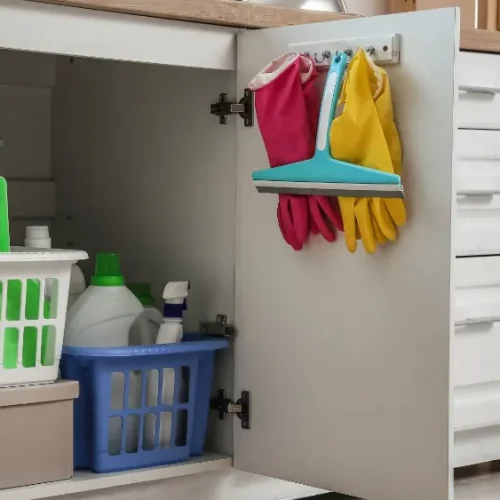
Prepare a moving day essentials bag that stays with you throughout the day. This should contain phone chargers, medications, toiletries, a change of clothes, basic cleaning supplies, snacks, and any paperwork you might need. Do not let this bag end up on the van.
Moving Day: Stay Calm and Communicate
Set your alarm early enough to eat, shower, and do a final walkthrough before the team arrives. When they do, take five minutes to walk them through the property. Point out anything fragile, anything heavy, and any boxes that need to be loaded last so they come off the van first.
When it comes to home removals London moves carry their own set of complications that rural relocations simply do not present. Parking suspensions may need to be arranged through the local council days in advance, and timing the journey between properties to avoid peak traffic can save hours. Discuss logistics with your removal team beforehand so there are no surprises.
Before you lock the door for the last time, check every cupboard, every shelf, every corner of the loft, the shed, and the garage. Take a final set of meter readings. Hand over all keys to the estate agent or new owner as agreed.
Settling In: The First 48 Hours
Resist the urge to unpack everything at once. Prioritise the rooms that affect your daily routine: kitchen, bathroom, and bedrooms. If you can cook a meal, take a shower, and sleep in a made bed on the first night, the new house already feels like home.
Everything else — bookshelves, artwork, decorative items — can wait. Unpacking gradually over the first week or two is far more effective than attempting a single marathon session that leaves you exhausted and surrounded by empty boxes.
Register with your new GP surgery, locate your nearest supermarket, and introduce yourself to the neighbours if the opportunity arises. These small actions accelerate the sense of belonging and turn an unfamiliar address into a home far more quickly than any amount of interior design.
Mistakes Worth Avoiding
Three errors catch people out more than any others. The first is failing to measure doorways, stairwells, and hallways at the new property. Discovering that your sofa cannot physically fit through the front door is not the surprise you want on moving day.
The second is underestimating the number of boxes required. A one-bedroom flat typically needs twenty to thirty. A three-bedroom house can easily require sixty or more. Order more than you think you need — unused boxes cost almost nothing, but running out mid-pack is disruptive.
The third is leaving change-of-address notifications until after the move. Banks, DVLA, HMRC, insurers, and subscription services all need time to process updates. Start these at least a fortnight before you move and you will avoid weeks of lost post and misdirected deliveries.
Moving house is a big undertaking, but it is a solvable one. Plan early, pack methodically, choose your removal company wisely, and give yourself grace on the other side. The chaos is temporary. The new chapter is not.
FAQs
Ideally, you should begin planning at least 6–8 weeks before your moving date to allow enough time for organising, packing, and booking services.
Compare at least three quotes, check reviews, and ensure they offer services like insurance and surveys—especially for Removal Services London or similar providers.
Yes, professional packing can save time, reduce stress, and protect fragile items more effectively than DIY packing.
Decluttering before packing, sourcing free boxes, and booking early can significantly cut costs.
Include toiletries, medications, chargers, snacks, important documents, and a change of clothes for easy access.
A one-bedroom home typically needs 20–30 boxes, while a three-bedroom house may require 60 or more.
No, items like jewellery, important documents, and sentimental belongings should be transported personally.
Look for experience, transparent pricing, insurance coverage, and strong reviews—especially when booking home removals London services.
Stay organised, communicate clearly with movers, and ensure everything is packed and labelled before they arrive.
Focus on unpacking essentials first, update your address with key services, and gradually settle into your new space.