This post contains affiliate links. As an Amazon Associate, I earn from qualifying purchases, at no extra cost to you. See our disclosure policy.
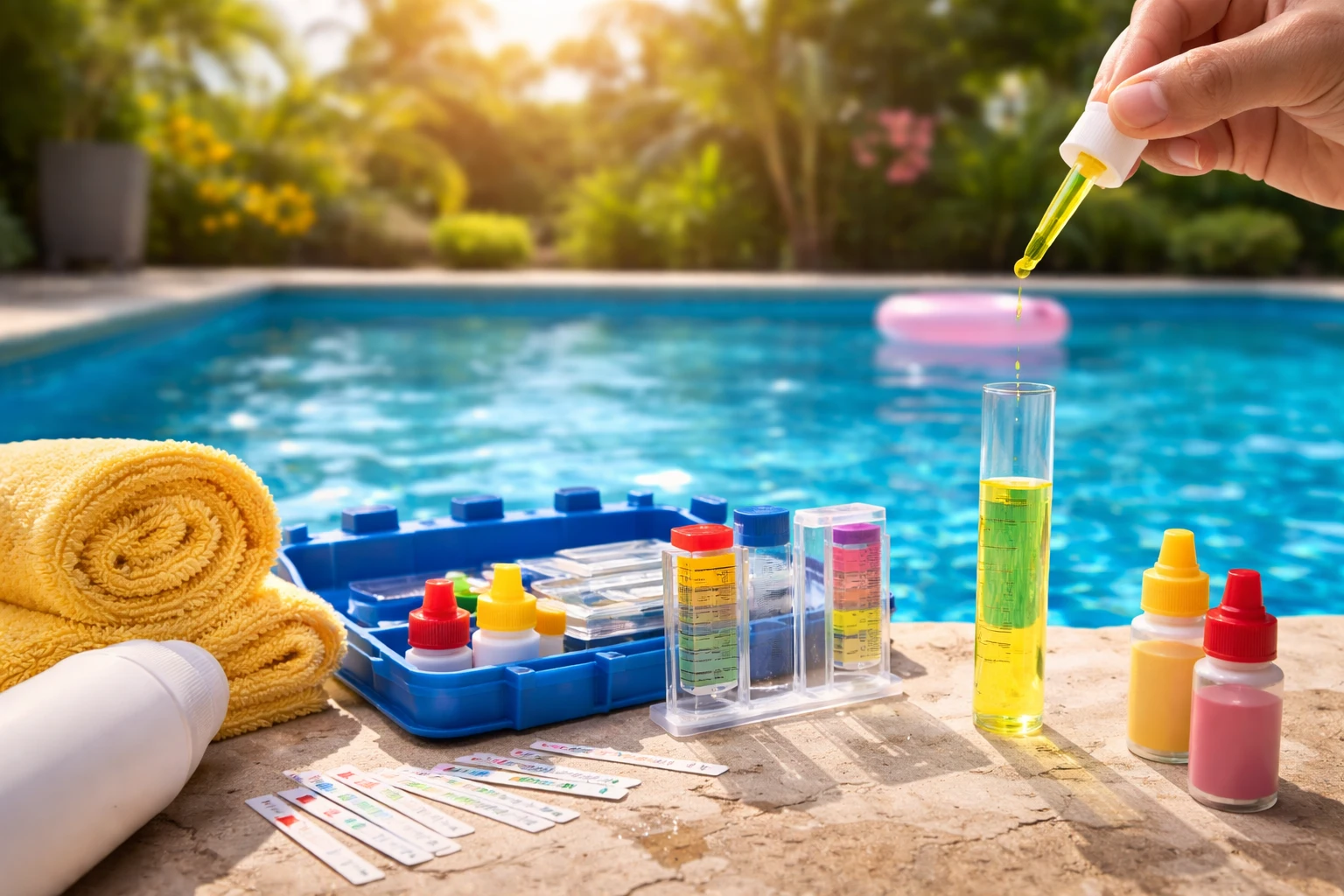
Even pool maintenance takes a little more responsibility than just cleaning. Testing the water regularly guarantees the safety and comfort of each swimmer. Good assessments using the right measuring tool often become a go-to tool for pool owners and facility managers, especially as water conditions need to be kept at an ideal level.
Why Is Clean Water in a Swimming Pool Critical?
If you don’t treat the pool water, bacteria and algae can multiply rapidly in a pool. When you keep the pool water clean, you avoid the skin irritations of your animals, then the eyes, and possible infection-related surfacing. And the families and friends are confident that the pool is secure for everybody. Properly managing pool water testing is extremely crucial.
Understanding Chemical Balance
Balanced chemistry is vital for both the health of swimmers and the lifespan of equipment. Unbalanced levels can result in cloudy water or detectable odors. Too much chlorine can irritate skin, but too little allows germs to flourish. The right chemical balances, including sanitizers and pH adjusters, help keep water welcoming and clean. So testing helps keep this balance in check and doesn’t compromise the situation.
Preventing Health Hazards
In untested pools, waterborne illnesses can spread like wildfire. When the amount of disinfectant decreases, bacteria, viruses, and parasites thrive. Routine analysis identifies dangerous situations prior to problems emerging. Identifying it as early as possible enables you to make corrections so that you do not get sick. And this practice is beneficial for swimmers of all ages.
Protecting Pool Equipment
Over time, unbalanced water can destroy pumps, filters, and plumbing. Corrosive water damages metal fixtures, leading to rust and leaks. Obstructive deposits of scale from excessive minerals will settle in pipes and cause reduced efficiency. Routine inspections ensure the equipment runs well and can also prolong its durability. In the long run, testing water can be cost-saving when compared to repairing and replacing the damaged system parts.
Maintaining Water Clarity
Transparent waters are aesthetically pleasing and indicate good maintenance. Cloudy or greenish water usually means your chemicals are unbalanced. Once you test, you know what the cause is, so you can solve it directly. Swimmers like pools where they can see the bottom; they appear more welcoming and clean. Water stays sparkling and safe with regular testing.
Supporting Comfortable Swimming Conditions
Swimmers react differently to the balance of chemicals in the pool. Unbalanced water dries our skin, aggravates the eyes, and decolorizes our swimsuits. Well-maintained chemistry prevents these annoying effects. Swimmers can sense the difference and enjoy uninterrupted swims. Testing makes sure every swim experience is as trouble-free as possible.
Simplifying Routine Maintenance
A regular testing routine makes maintenance easier for most pool owners. Regular inspections keep an eye on chemical developments over time. It saves time and guesswork by guiding shifts indicated by results. With time, this phenomenon reduces the difficulty and stress in taking care of the pool. Consistency lowers the chances of emergencies that will cost a lot to fix.
Promoting Responsible Pool Use
And regularly testing the water will show other people (your customers, your K family, your friends) that you care about them. People like to know that safety is an important thing for guests. Well-balanced chemistry reduces the need for chemicals, which is one reason it contributes to environmental effects. Responsible behaviors keep swimmers safe and support a clean community. By setting a good example, you can inspire others to follow a similar routine.
Common Testing Methods
There are different methods through which you can analyze the quality of water in the pool. Strip tests—These are the fastest tests out there to get a rough idea of things like chlorine and pH. Liquid kits provide higher accuracy by measuring a broader spectrum of chemicals. These digital testers attract consumers in search of convenience and accuracy. The selection of the technique is based on the scale of the pool and the taste of the owner.
Conclusion
However, testing the water in your pool is an essential factor for responsible pool ownership. Evaluating your swimmers regularly keeps them safe and also protects the investment you have made in your equipment. Drying to ensure accurate chemical levels will also ensure water is clear, comfortable, and welcoming. Cultivating a good testing habit makes maintenance easier and helps everyone with a more pleasant and safer experience.
FAQs
Pool water should be tested at least 2–3 times per week for residential pools and daily for heavily used or commercial pools.
Key levels include chlorine (or other sanitizer), pH, alkalinity, calcium hardness, and sometimes cyanuric acid.
Improper pH can cause skin and eye irritation and reduce the effectiveness of chlorine.
Low chlorine allows bacteria, viruses, and algae to grow, increasing the risk of waterborne illnesses.
Yes, excessive chlorine can irritate skin and eyes and create strong chemical odors.
Corrosive or mineral-heavy water can cause rust, scaling, clogged pipes, and premature equipment failure.
Cloudy water is often caused by improper chemical balance, poor filtration, or high contaminant levels.
Test strips provide quick estimates, but liquid kits and digital testers generally offer more precise results.
Yes, consistent testing helps prevent major chemical imbalances and equipment damage, reducing costly repairs.
Balanced water prevents skin dryness, eye irritation, and unpleasant odors, making swimming more enjoyable.