This post contains affiliate links. As an Amazon Associate, I earn from qualifying purchases, at no extra cost to you. See our disclosure policy.
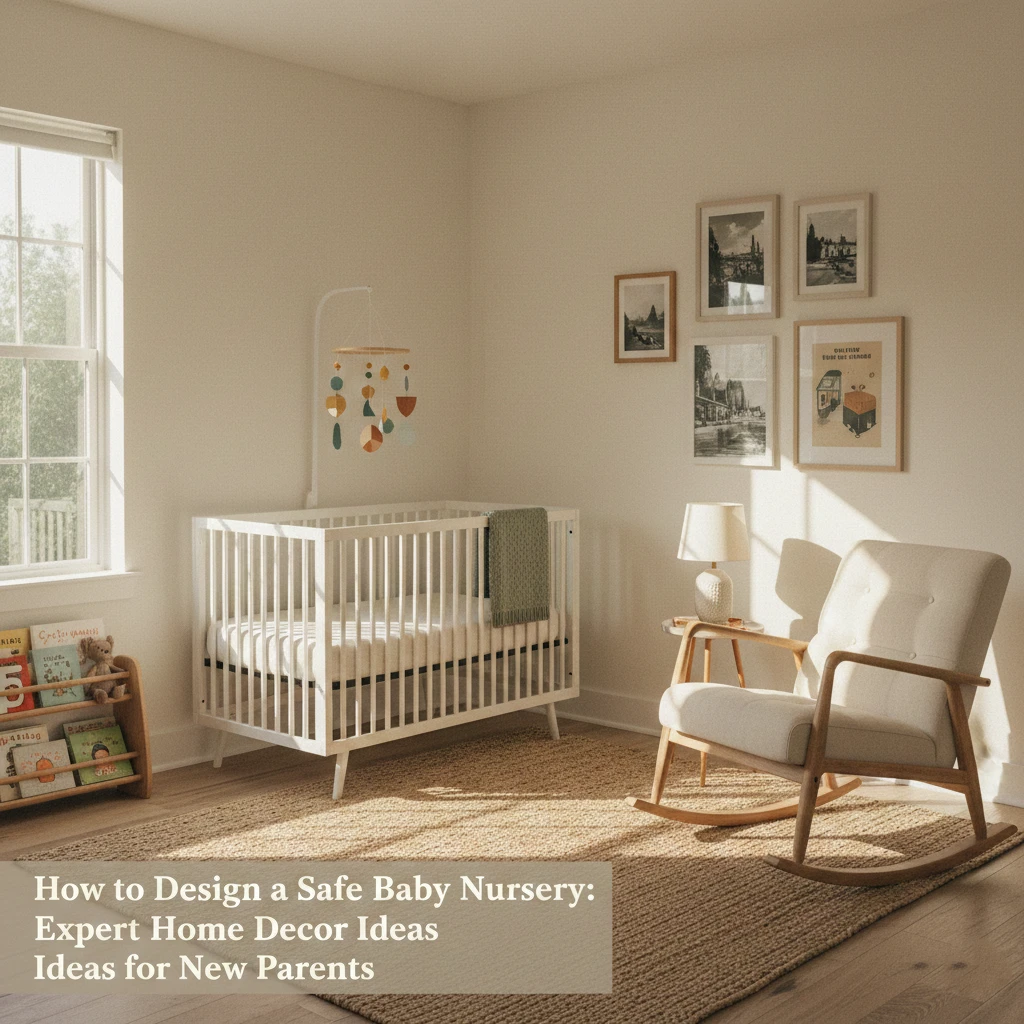
When designing your baby’s nursery, safety should be just as important as style. With newborns spending up to 17 hours daily sleeping, creating a secure and healthy nursery environment becomes crucial for their growth and wellbeing.
While social media and design websites often showcase picture-perfect nurseries with fashionable decorations like plush wall art or antique bassinets, many traditional baby items contain concerning levels of harmful substances. Research has revealed that common nursery products can emit volatile organic compounds (VOCs) that potentially impact your infant’s developing respiratory system and immune functions.
The good news is that you don’t have to sacrifice beauty for safety when designing your baby’s nursery. This comprehensive guide will show you expert-recommended methods for creating a healthy space, from choosing certified safe furniture to implementing proper air filtration systems. You can create a nursery that’s both visually appealing and completely safe for your little one.
Remember, providing a secure environment is the most valuable gift you can offer your baby. Let’s discover how to make smart design decisions that safeguard your child while creating a beautiful space you’ll cherish.
Understand the Risks in a Baby Nursery
While parents often prioritize the visual appeal of nursery elements—from designer cribs to contemporary bassinets—hidden chemical hazards can lurk behind these beautiful features. Nurseries typically contain higher pollution levels than other rooms, mainly because they’re often furnished with new items, fresh paint, and decorative pieces.
Common toxins found in baby products
The seemingly innocent items in your baby’s room can contain numerous harmful substances. New cribs, changing tables, and other wooden furniture pieces often release formaldehyde into the air, especially when constructed from pressed wood materials such as particleboard or medium-density fiberboard. A single crib can emit enough formaldehyde to elevate the entire house to levels that may increase the risk of respiratory issues and allergic reactions.
Products made from vinyl, including crib mattress covers and changing pads, typically contain chemicals called phthalates. While these substances make plastics more flexible and soft, they have been associated with disruptions in hormone levels and problems with development. Many cushioned items like mattresses, upholstered chairs, and other padded furniture contain flame retardants that can collect in dust particles and potentially enter your baby’s system through breathing.
Additional toxic substances include BPA found in plastic materials, parabens present in baby care products, and pesticide residues that may remain in traditional cotton clothing. Studies have shown concerning levels of hazardous chemicals in nurseries, regardless of the price point or brand of products used.
Why babies are more vulnerable to chemicals
Infants have a heightened susceptibility to chemical exposure because of their unique physical characteristics. For instance, babies breathe much more frequently than adults do—newborns take about 45 breaths every minute, while adults only take 12-14 breaths per minute. This increased breathing rate means they inhale more airborne pollutants relative to their body size.
A newborn’s skin surface area compared to their body weight is approximately triple that of an adult. This means that when similar proportions of their bodies are exposed to substances that can be absorbed through the skin, babies receive a much higher dose per pound of body weight.
Additionally, several biological factors increase their vulnerability.
- An underdeveloped blood-brain barrier that is more permeable, allowing chemicals easier access to the developing brain
- Reduced levels of proteins that typically bind and neutralize harmful chemicals
- Immature systems for processing and eliminating toxins from the body
- Rapidly multiplying cells that make developing tissues especially sensitive to harmful substances
“The developing organs and brains of very young children make them particularly vulnerable, which is why we need to be concerned about even minimal chemical exposure,” notes Professor Miriam Diamond, emphasizing the importance of protection during early development.
Choose Safe and Certified Materials
Creating a safe nursery environment starts with selecting appropriate materials. Given the abundance of products marketed as “non-toxic” and “natural,” understanding legitimate certifications becomes crucial for making well-informed decisions to safeguard your baby’s wellbeing.
What GREENGUARD, GOTS, and OEKO-TEX mean
These three trusted certifications serve as reliable indicators when selecting safer nursery products:
GREENGUARD Gold certification evaluates products specifically for chemical emissions affecting indoor air quality. Products earning this certification undergo comprehensive testing for thousands of chemicals and must demonstrate minimal emissions of volatile organic compounds, formaldehyde, and phthalates. This certification’s focus on air quality impact makes it particularly important when selecting furniture pieces where babies spend considerable time, such as cribs and gliders.
Global Organic Textile Standard (GOTS) represents the highest benchmark for organic textiles. Unlike GREENGUARD, GOTS evaluates the complete manufacturing process rather than just the end product. To receive GOTS certification, products must contain a minimum of 95% certified organic materials for the “organic” designation or at least 70% organic materials for the “made with organic materials” label. GOTS strictly prohibits chemical flame retardants throughout production and mandates proper water treatment to protect ecosystems.
OEKO-TEX Standard 100 certification evaluates textiles for more than 100 potentially harmful substances throughout all stages of production. While OEKO-TEX primarily concentrates on ensuring the final product’s safety for human contact, it differs from GOTS in that it does not address the environmental impacts of the manufacturing process. This certification provides assurance that bedding and clothing items are free from chemical residues that could irritate your baby’s delicate skin. This type of cotton used in Moses baskets by premium brands as Anzy Home Kids
Best materials for cribs, mattresses, and textiles
When it comes to nursery furniture, solid wood is the safest choice. Unlike particleboard or medium-density fiberboard (MDF), which contain adhesives that release formaldehyde, solid wood furniture minimizes exposure to chemicals. When choosing wood furniture, opt for sustainably sourced options from responsible forestry practices.
For mattresses and bedding, focus on:
- Natural cotton for breathability and softness
- Natural latex for support without synthetic materials
For flooring and rugs, natural materials like jute, sisal, and organic cotton offer safer alternatives to synthetic options that typically contain stain-resistant chemicals. When selecting wool rugs, look for ones processed without harmful chemicals to ensure the safest environment for your baby.
Avoiding flame retardants and VOCs
Flame retardant chemicals, especially organohalogen compounds, pose significant health risks, including increased cancer risk, reduced IQ scores, developmental learning challenges, and disrupted hormone function. Due to these concerns, the U.S. Consumer Product Safety Commission advises pregnant women and young children to stay away from products containing these substances.
When purchasing furniture, look specifically for items clearly marked “CONTAINS NO ADDED FLAME RETARDANTS.” Be cautious of products that indicate compliance with California TB117 flammability standards, as these typically incorporate potentially harmful flame retardant chemicals.
For mattress selection, prioritize options that utilize natural wool or alternative barrier technologies to meet safety requirements instead of chemical treatments. Keep in mind that polyurethane foam requires flame retardants due to its highly flammable nature.
To reduce exposure to volatile organic compounds, opt for paints and finishes labeled as low or zero-VOC. Additionally, it’s important to let new furniture pieces air out in a well-ventilated space before placing them in your baby’s nursery.
By thoughtfully selecting certified materials for your nursery design, you’re creating more than just an aesthetically pleasing space – you’re establishing a truly healthy environment where your baby can safely sleep, play, and develop, whether they’re in a crib, moses basket, or play area.
Design Each Nursery Element with Safety in Mind
Now that we understand what makes nursery products safe, let’s explore how to implement these principles into your nursery design. Creating a safe and beautiful space for your baby requires careful attention to each element in their environment.
Crib and mattress safety tips
The crib is your baby’s primary sleeping space and its safety is absolutely essential. When setting up this crucial piece of furniture:
- Choose a firm mattress that fits snugly against all sides to prevent dangerous gaps
- Make sure the slat spacing is no wider than a standard soda can width
- Regularly inspect all hardware to ensure everything remains tight and secure
- Keep corner posts minimal in height to prevent any clothing from catching
- Select designs without decorative cutouts in headboards or footboards
For optimal sleep safety, maintain a minimalist approach to crib bedding. Keep the sleeping area completely clear of pillows, blankets, comforters, sheepskins, bumper pads, and stuffed animals until your baby reaches 12 months of age.
Non-toxic paint and wall decor
When selecting paint for your nursery walls, be aware that conventional options often release chemicals that can compromise indoor air quality. Choose paint products specifically formulated without volatile organic compounds to create a healthier environment. Look for options that guarantee zero harmful emissions in both the base paint and colorants, and avoid products containing potentially harmful compounds like alkylphenol ethoxylates.
For wall décor, fabric decals that peel and stick provide a safer choice compared to painted murals. Choose options that are non-toxic and free from harmful chemicals, ensuring they’re printed with environmentally friendly inks. These adaptable decorations can be removed without wall damage, making them perfect for rental properties or parents wanting to change décor as their children develop.
Safe flooring and rugs
Since babies spend significant time on the floor during play and tummy time, choosing appropriate flooring becomes crucial. Organic rugs made specifically for nurseries offer a safer surface without exposing infants to harmful substances.
When selecting rugs, opt for those made from 100% organic cotton that are free from dyes, chemicals, volatile compounds, latex, and other harmful substances. Quality certifications provide important safety guarantees – ensuring textiles are grown and processed organically without dangerous chemicals and confirming thorough testing for harmful substances.
Low-EMF baby monitor options
Traditional baby monitors produce electromagnetic fields that might raise health concerns. This is particularly important because babies are more susceptible, as their skulls are thinner and their brains smaller, allowing them to absorb significantly more radiation than adults.
To minimize EMF exposure, consider these alternatives:
- Hardwired monitors that connect through ethernet cables rather than wireless systems.
- Monitors equipped with signal reduction technology that actively decrease electromagnetic output
- Voice-activated monitoring systems that transmit only when detecting sound, substantially reducing continuous exposure
For the most secure option, consider using a fully wired monitoring system without any wireless capabilities, connected through ethernet cables to completely eliminate radiation concerns.
Create a Healthy Sleep and Air Environment
Beyond your material selections, the sleeping environment plays a vital role in your baby’s wellbeing and comfort. Establishing an ideal nursery atmosphere requires thoughtful consideration of bedding choices, air quality management, and temperature regulation.
Managing temperature and humidity
The optimal temperature for a nursery should be maintained between 68-70°F (20-21°C), which aligns with recommended sleep guidelines for infants. Keeping humidity levels between 30-50% helps prevent respiratory complications and skin issues while creating an environment unfavorable for dust mites. This carefully regulated environment promotes better sleep quality while reducing various health risks for your baby.
A reliable hygrometer is essential for precise monitoring of these conditions, particularly since modern heating and cooling systems tend to create overly dry indoor environments. When humidity drops below recommended levels, a well-maintained humidifier can help restore balance, supporting your baby’s natural respiratory defenses.
Practical Tips for a Safer Setup
Creating a safe nursery involves more than just selecting the right products – it requires careful preparation and ongoing maintenance. These practical guidelines will help ensure your nursery design choices contribute to a healthy environment.
Let furniture off-gas before use
New nursery furniture releases the highest levels of volatile organic compounds (VOCs) immediately after unpacking. When possible, unpack furniture outdoors or in a garage and let it air out for at least one week before moving it into the nursery. For essential items like cribs or moses baskets that can’t be left outside, place them in a well-ventilated room with open windows to speed up the off-gassing process. Operating a carbon-based air purifier nearby can help capture released chemicals.
Use multi-functional, space-saving furniture
Select pieces that serve multiple purposes while meeting safety requirements. Consider a dresser with a properly secured changing pad instead of a standalone changing table that will quickly become unnecessary. Look for convertible cribs that adapt into toddler beds and eventually full-size beds as your child grows. This strategy minimizes the amount of furniture needed while maximizing the utility of each piece. Remember to secure all furniture to walls to prevent dangerous tipping accidents.
How to clean and maintain a non-toxic nursery
Keep your nursery clean using natural solutions like a mixture of equal parts white vinegar and water for surface cleaning. Regular dusting with slightly damp microfiber cloths helps trap allergens rather than dispersing them into the air. For carpet care, baking soda serves as an effective natural deodorizer – simply sprinkle it on the carpet, let it sit for 15-30 minutes, then vacuum thoroughly. Wash bedding in hot water using unscented detergents, and avoid fabric softeners that can leave behind chemical residues.
Conclusion
Creating a safe nursery requires careful consideration and attention to detail, but these efforts significantly benefit your baby’s health and development. While many conventional nursery items contain potentially harmful substances, it’s entirely possible to design an attractive space without compromising safety.
The key to safety lies in understanding potential risks and choosing certified materials. GREENGUARD Gold, GOTS, and OEKO-TEX certifications serve as valuable guides when selecting furniture, textiles, and decor. Solid wood cribs, organic cotton bedding, and non-toxic paint specifically address the most common sources of chemical exposure in nurseries.
Safety measures extend beyond initial product selection. Allow new furniture items to properly ventilate before use, opt for versatile pieces to minimize potential chemical sources, and maintain cleanliness using natural cleaning solutions. These combined efforts help establish a truly nurturing environment where your baby can flourish.
Creating a safe nursery stands as one of the most impactful investments you can make for your child’s well-being. Every mindful decision made today helps protect your baby’s developing systems during this crucial period of vulnerability. Your little one deserves a beautiful, chemical-free sanctuary—a space dedicated to safe growth, development, and peaceful dreams.
By thoughtfully selecting certified materials for your nursery design, you’re creating more than just an aesthetically pleasing space – you’re establishing a truly healthy environment where your little one can safely rest, play, and develop, whether they’re spending time in their crib, moses basket, or play area.