This post contains affiliate links. As an Amazon Associate, I earn from qualifying purchases, at no extra cost to you. See our disclosure policy.
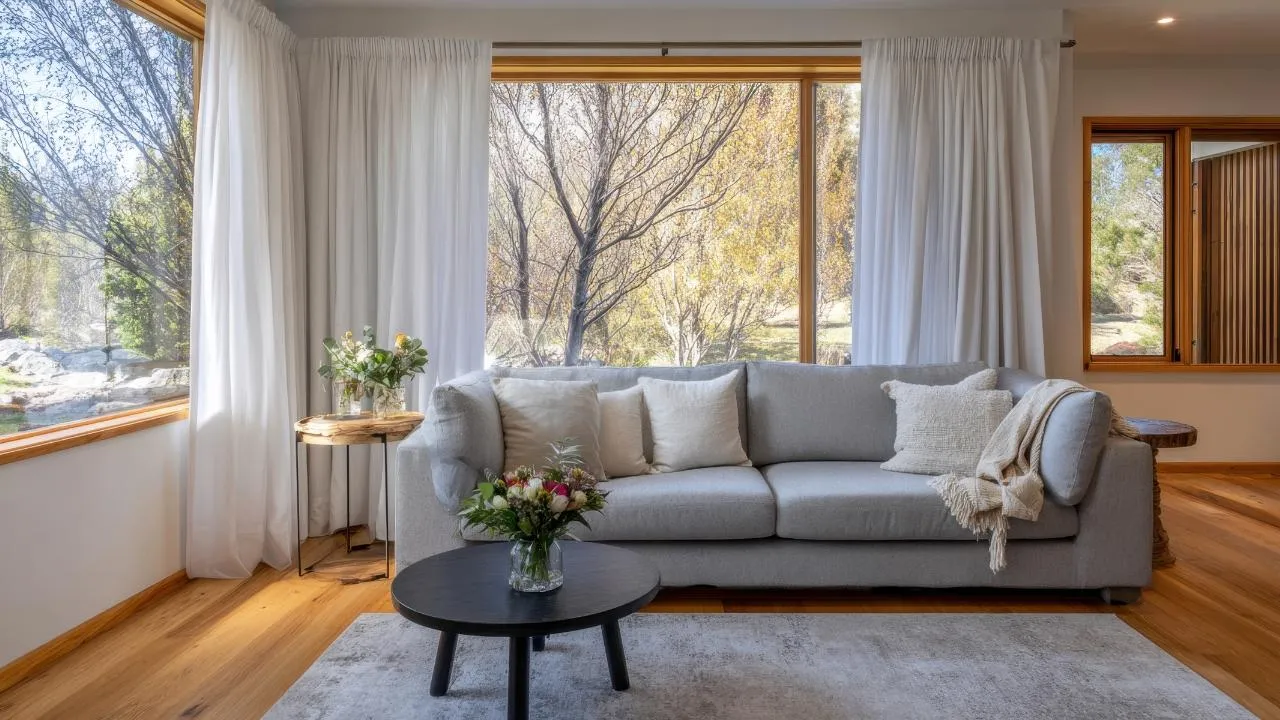
A warm and welcoming living space comes from combining soft textures, warm lighting, inviting colors, and meaningful personal touches. By arranging furniture to encourage connection, choosing earthy and harmonious hues, and layering different light sources throughout the day, you can create a comfortable, relaxing atmosphere that feels uniquely yours.
Designing a Cozy Atmosphere
Creating a cozy atmosphere involves thoughtful choices in colors, textures, and lighting that work together to make a room inviting.
Choosing Inviting Color Palettes
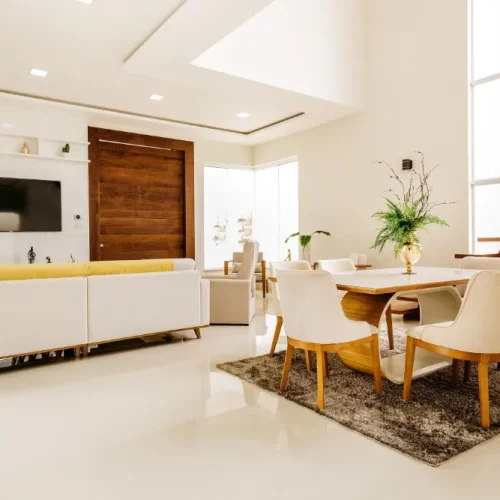
Selecting the right color palette is crucial to achieving a cozy atmosphere. Warm tones such as rich browns, earth tones, and soft creams create a sense of comfort. Use neutral shades as a base and add deeper accent colors to enhance warmth.
A monochromatic scheme can also work well by using different shades of one color to add depth. Experiment with small swatches before committing, and consider using architectural visualization to preview how different palettes will look, ensuring that your chosen palette complements the space’s natural light.
Layering Textures for Comfort
Incorporating varied textures enriches your living space. Start with plush materials like velvet or chenille for throw pillows and blankets. These add comfort and a touch of luxury. Consider using a soft area rug as a foundation, which enhances warmth, invites barefoot relaxation, and helps define the space.
Mixing different textures creates layers that make a room feel lively and interesting. You might combine a leather sofa with knit throws or smooth wooden surfaces with soft drapery. Each layer contributes to a feeling of coziness, making the room inviting and comfortable. For those looking to enhance their home in the winter months, these tips can be helpful, especially if you want to cozy up your living space in winter.
Optimizing Natural and Artificial Lighting
Lighting significantly influences an atmosphere. Maximize natural light during the day with strategically placed mirrors to reflect sunlight, making the space feel brighter and more spacious. Use sheer curtains that allow daylight to filter through while maintaining privacy.
In the evenings, layering your lighting can add warmth and dimension. Opt for warm-toned bulbs and consider using a mix of floor lamps, table lamps, and wall sconces. Dimmable lights offer flexibility, enabling you to adjust brightness levels to suit different moods. String lights or fairy lights can also add a whimsical touch to your living space. Remember, thoughtful lighting choices can drastically transform both the aesthetics and mood of your home.
Personal Touches That Make Spaces Shine
Creating a warm and inviting living space often hinges on the details and items that carry personal significance. Thoughtfully choosing and arranging these elements can illuminate your space and reflect your personality. The following ideas offer ways to incorporate meaningful items that resonate with you.
Displaying Meaningful Décor
Choosing décor that has personal significance can transform any room. Souvenirs, gifts, and objects with sentimental stories add personality to a room. Group items by theme or origin for visual interest, and display them where they can stand out without overcrowding the space. Varying the height and size of objects can also add depth and dimension. Whether it’s an intricate vase or a hand-carved sculpture, meaningful décor pieces add layers of personality and warmth.
Incorporating Family Photos and Mementos
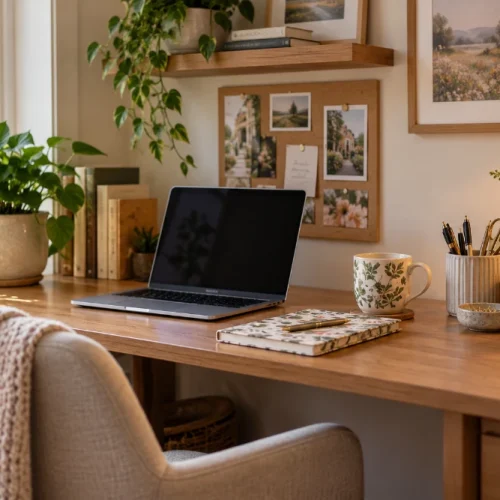
Family photos bring warmth and history into your living space. Curate meaningful images and use cohesive frames. Create a gallery wall or scatter frames for a relaxed feel, adding meaningful mementos to complete the display. These pieces serve as daily reminders of loved ones and special occasions. Vary the frame styles and sizes to keep the arrangement dynamic and engaging for the eye. Properly lighting these areas can enhance their prominence, turning them into focal points.
Adding Houseplants for Life and Warmth
Houseplants add color and calm to any room. Choose plants suited to your light conditions, such as snake plants or succulents, and group them using pots of varying heights to add interest. Introducing plants like ferns or palms can fill empty corners, while smaller potted plants can highlight shelves and coffee tables. Remember to consider maintenance—choose plants that align with your lifestyle and time availability. Even a single leafy friend can inject warmth into a room, creating a lively atmosphere.
Arranging Furniture for Connection
To create a space that encourages interaction and comfort, focus on arranging furniture in ways that invite conversation, facilitate natural movement, and balance openness with coziness. The following guidelines offer practical insights into making your living area a warm and inviting place.
Creating Conversation Areas
Position seating to face one another, creating an inviting circle or semi-circle. This makes it easy for people to engage naturally and comfortably. Use sofas and chairs to establish a focal point, such as a coffee table, which serves as a natural anchor for the area. Small side tables and ottomans can also enhance accessibility and function, providing additional space for guests to place drinks or personal items.
Consider using area rugs to visually define these conversation zones, demarcating them from other parts of the room. Rugs not only add texture and warmth but also help anchor the furniture arrangements within a larger space.
Maximizing Flow and Functionality
Ensure pathways remain clear so the room is easy to navigate. Leave adequate space between furniture pieces to support natural movement.
Think about the activities or functions your space supports. If reading is a priority, provide a cozy reading nook with a comfortable chair and good lighting. For gaming or watching TV, make sure the seating is comfortably oriented around the media center, ensuring everyone has a good view.
Balancing Open Space and Intimacy
Strike a balance between open areas and intimate nooks. While spaciousness can encourage social interactions, cozy corners or niches offer quieter retreats within the room. Arrange a small seating area in a corner with a couple of armchairs and a small table for a private spot. Plants, screens, or bookcases can help delineate these spaces pleasantly and naturally.
Use lighting to further enhance different zones. Soft, ambient lighting creates a warm atmosphere, while focused task lighting can make small areas feel purposefully designed. This thoughtful integration of lighting can subtly influence intimacy and openness in your living space.
Sustaining Warmth Through Consistent Care
Ensuring your living space remains warm and inviting requires regular upkeep. By maintaining cleanliness and refreshing décor with the seasons, you can preserve a hospitable atmosphere throughout the year.
Maintaining Clean and Tidy Spaces
A clean living space is essential for creating a warm and welcoming environment. Regular cleaning routines help prevent dust buildup and clutter, which can detract from the cozy ambiance. Focus on areas frequented by family and guests, such as the living room and kitchen. Vacuum carpets and rugs, dust surfaces, and keep seating areas orderly to encourage relaxation.
Implement simple habits like tidying as you go and setting aside a small amount of time each day to manage household chores. These can make cleaning less daunting. Use organizational tools like baskets and shelves to keep items neatly stored away. This reduces visual clutter and maintains an inviting atmosphere.
Updating Accessories with the Seasons
Refreshing your home accessories with seasonal updates can enhance the warmth of your space. Incorporate seasonal décor elements to reflect the time of year and bring a touch of the outdoors inside. For instance, during autumn, switch in warm-toned throw blankets and decorative cushions. Add festive touches like wreaths or candles during the winter months.
Pay attention to color palettes and materials that complement the season. In spring, opt for lighter, brighter colors, and in summer, introduce natural textures like cotton or linen. Change out smaller details like pillow covers, table runners, or vases to give your space a fresh feel without a major overhaul. Regular updates keep your living areas vibrant and aligned with nature’s cycles.
Conclusion
A warm and welcoming living space comes together through thoughtful choices in color, texture, lighting, personal décor, and ongoing care. By combining these elements in ways that reflect your style and support comfort, you can create an environment that feels inviting every day of the year.