This post contains affiliate links. As an Amazon Associate, I earn from qualifying purchases, at no extra cost to you. See our disclosure policy.
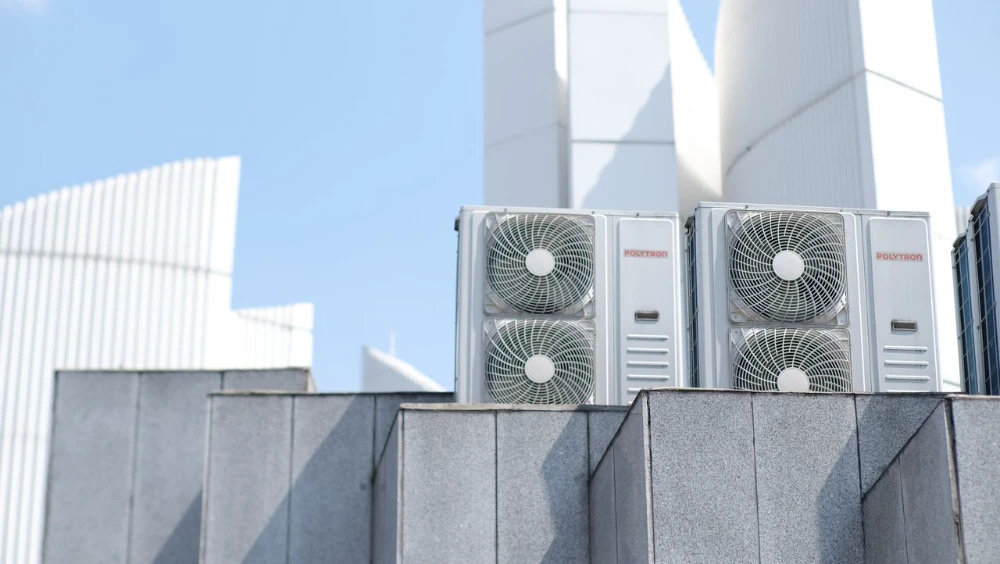
Air conditioning systems are one of those household essentials that often go unnoticed until something goes wrong. On a hot summer day, there are only a few things more frustrating than discovering that your AC has suddenly stopped working. The good news is that air conditioners rarely fail without warning. In most cases, they display several signs of trouble long before a complete breakdown occurs.
Recognizing these early warning signals can save you from expensive emergency repairs, unexpected discomfort, and even the need for a premature system replacement. When an AC system begins to malfunction, it often consumes more energy while delivering less cooling performance. Understanding what to watch for can help you address minor issues before they become major problems.
6 Signs You Need to Repair Your AC Soon
Preventive maintenance and timely repairs remain some of the most effective ways to avoid unexpected breakdowns during the hottest times of the year. Here are some of the most common signs that your air conditioner may need professional attention before it stops working altogether.
1. Weak Airflow and Reduced Cooling Performance
One of the earliest and most noticeable signs of AC trouble is weak airflow coming from your vents. If your air conditioner is running but the air feels weaker than usual, it may indicate a developing problem within the system. Ignoring weak airflow often leads to increased wear and tear, higher energy bills, and eventually a complete loss of cooling capacity.
Several factors can contribute to poor airflow. It could be a clogged air filter, blocked ductwork, or damaged components within the unit itself. Regardless of the cause, reduced airflow forces the system to work harder to maintain your desired indoor temperature.
If certain rooms feel significantly warmer than others or if it takes much longer than usual for your home to cool down, you should get the system inspected. Many homeowners turn to trusted service providers, such as Premier Heating and Air Conditioning, when they notice performance changes. Addressing airflow problems early can prevent more extensive damage to the system.
2. Unusual Noises Coming from the Unit
Every air conditioner produces some level of operational noise. However, sudden or unusual sounds should never be ignored. Strange noises are often the system’s way of signaling that a component is loose, worn out, or malfunctioning. Rattling sounds may indicate loose hardware or debris trapped within the unit, while squealing noises can point to belt or motor issues.
What makes unusual noises particularly important is that they rarely resolve themselves. Instead, they tend to worsen over time as damaged parts continue operating under stress. A relatively inexpensive repair today could prevent a much larger repair bill tomorrow. Paying attention to changes in your AC’s sound profile can provide valuable insight into the system’s health and help you take action before the problem escalates.
3. Rising Energy Bills Without Explanation
A sudden increase in energy costs is another common indicator that your air conditioning system may need repair. While utility rates can fluctuate throughout the year, unexplained spikes in your monthly electricity bill often suggest that your AC is no longer operating efficiently.
When components begin to wear out, the system must work harder and run longer to achieve the same cooling results. According to research by the US Department of Energy, proper maintenance and timely repairs can improve HVAC efficiency and help reduce energy consumption significantly over time.
Even relatively minor mechanical issues can create a noticeable impact on utility expenses when left unresolved. If your energy bills continue climbing despite normal usage habits, it may be time to schedule a professional inspection to identify hidden performance issues before they worsen.
4. Frequent Cycling and Constant Running
Air conditioners are designed to cycle on and off throughout the day as they maintain indoor temperatures. However, if your system is constantly turning on and off or running almost nonstop, it may be struggling to operate correctly.
Short cycling occurs when the system starts and stops repeatedly within a short period. This behavior can result from thermostat issues, refrigerant problems, oversized equipment, or electrical malfunctions. Constant operation, on the other hand, may indicate that the system can no longer effectively cool the home. Both situations place excessive strain on critical components and increase overall energy consumption.
Frequent cycling accelerates wear on motors, compressors, and electrical systems, reducing the lifespan of the unit. Many homeowners assume that continuous operation during hot weather is normal. But if the system shuts off or cycles excessively, it is often a warning sign that professional repair is needed.
5. Unpleasant Odors and Poor Indoor Air Quality
Your air conditioner plays a significant role in maintaining indoor comfort, and that includes helping support air quality. If you notice unusual odors coming from your vents, the system may require attention. Addressing these issues promptly protects the performance of the air conditioner and helps maintain a healthier indoor environment.
Musty smells can indicate mold or mildew growth within the ductwork, while burning odors may signal electrical problems that should be addressed immediately. In some cases, accumulated dust and debris can create persistent odors that circulate throughout the home whenever the AC operates.
Beyond unpleasant smells, poor indoor air quality can contribute to increased allergy symptoms, respiratory irritation, and general discomfort. If family members begin experiencing worsening allergy symptoms while indoors, your HVAC system could be part of the problem.
6. Moisture, Leaks, and Excess Humidity
Water and air conditioning systems naturally interact during the cooling process. However, visible moisture around the unit is often a cause for concern. Small amounts of condensation are normal, but puddles, leaks, or excessive dampness may indicate a developing issue.
Refrigerant leaks can affect cooling performance and may require immediate professional repair. Blocked drains can cause water to accumulate around the unit, potentially leading to water damage and mold growth. Another sign of AC trouble is increased indoor humidity. A properly functioning air conditioner helps remove excess moisture from the air.
If your home feels sticky or humid despite the AC running regularly, the system may not be operating efficiently. High humidity levels can make indoor spaces feel warmer than they actually are, causing the system to work even harder and creating a cycle of reduced comfort and higher energy usage.
Wrapping Up
Air conditioners rarely stop working without providing advance warning. Things like weak airflow, unusual noises, and moisture issues are all signs that something may be wrong beneath the surface. While it can be tempting to ignore minor changes and hope they resolve on their own, doing so often leads to more expensive repairs and greater inconvenience down the road.
By paying attention to these early indicators and scheduling professional inspections when necessary, homeowners can protect their comfort and extend the lifespan of their cooling systems. Taking action when the warning signs first appear can make the difference between a simple repair and a complete system failure, helping ensure your AC continues to perform reliably when you need it most.