This post contains affiliate links. As an Amazon Associate, I earn from qualifying purchases, at no extra cost to you. See our disclosure policy.
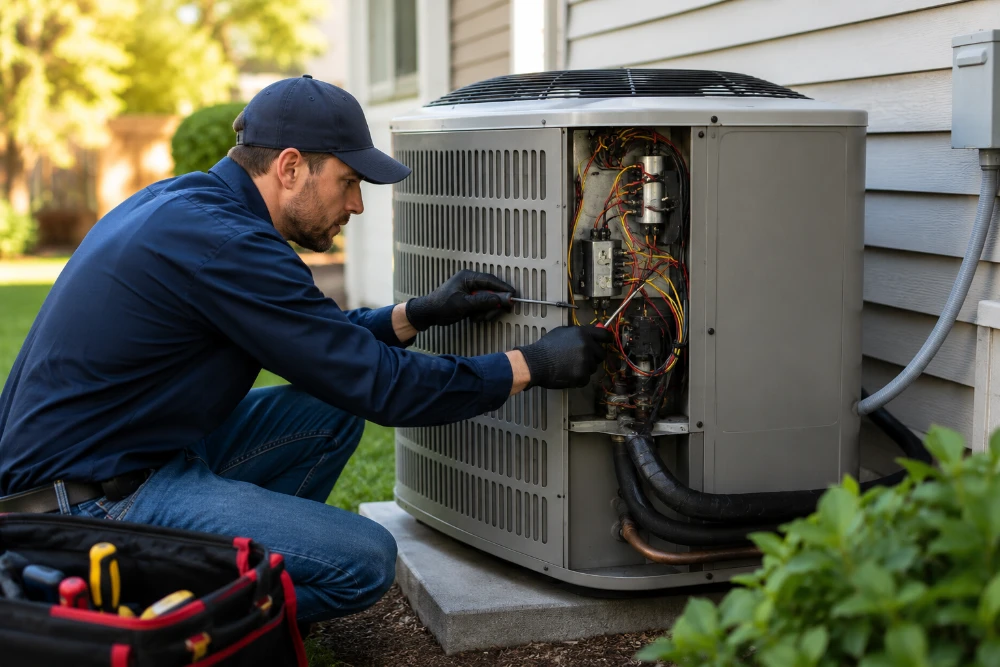
Your air conditioning system is essential for maintaining comfort during hot weather. While some HVAC issues can wait for a scheduled appointment, others require immediate attention to prevent costly damage, restore indoor comfort, and protect your family’s safety. Understanding the warning signs of a serious cooling problem can help homeowners act quickly before a minor issue turns into a major repair.
Warm Air Coming From the Vents
One of the most obvious signs of trouble is warm air blowing from the vents when the system is set to cool. This issue can result from refrigerant leaks, compressor problems, thermostat malfunctions, or airflow restrictions. If adjusting the thermostat does not resolve the problem, professional assistance may be necessary to restore proper cooling.
Complete System Failure
An air conditioner that won’t turn on at all often indicates a serious issue. Electrical failures, damaged wiring, faulty capacitors, or compressor problems can prevent the system from operating. During periods of extreme heat, losing access to cooling can quickly make indoor conditions uncomfortable and potentially unsafe.
Unusual Noises During Operation
Air conditioners should operate relatively quietly. Grinding, banging, rattling, squealing, or buzzing sounds often indicate worn or damaged components. Ignoring these noises can allow small mechanical issues to develop into larger and more expensive repairs. Prompt inspection can help identify the source of the problem before additional damage occurs.
Burning or Electrical Odors
Strange odors coming from your HVAC system should never be ignored. A burning smell may signal overheating electrical components, damaged wiring, or motor issues. These situations can present safety concerns and should be addressed immediately by a qualified technician.
Frozen Evaporator Coils
Ice buildup on refrigerant lines or indoor components is another warning sign that something is wrong. Frozen coils can be caused by restricted airflow, dirty filters, refrigerant problems, or mechanical malfunctions. Running the system under these conditions may reduce efficiency and potentially damage critical components.
Water Leaks Around the Unit
While some condensation is normal, excessive moisture or standing water around your air conditioning equipment is not. Clogged drain lines, frozen coils, or condensate system issues can cause leaks that damage floors, walls, and nearby property. Addressing leaks quickly can help prevent both HVAC and structural damage.
Rising Indoor Temperatures
If your home continues to feel warmer despite the air conditioner running, the system may be struggling to meet cooling demands. Poor airflow, failing components, or refrigerant issues can all contribute to declining performance. In these situations, homeowners may require emergency AC repair to restore comfort and prevent further equipment damage.
Increased Energy Bills
A sudden spike in energy costs may indicate that the system is working harder than necessary due to an underlying problem. Dirty coils, failing parts, or airflow restrictions can reduce efficiency and increase operating expenses. Investigating the cause early can help prevent larger repair costs in the future.
Don’t Ignore the Warning Signs
Air conditioning problems rarely resolve themselves. What starts as a minor issue can quickly escalate into a major system failure if left unaddressed. Paying attention to unusual sounds, odors, leaks, and performance changes can help homeowners avoid unexpected breakdowns and costly repairs.
Conclusion
Recognizing the signs of a serious air conditioning problem can help you protect your comfort and your investment. Whether it’s warm air, unusual noises, water leaks, or a complete system shutdown, addressing issues promptly can reduce repair costs and extend the life of your equipment. Taking action at the first sign of trouble is often the best way to maintain reliable cooling throughout the year.