In Mesa, AZ, homeowners deal with more than just heat. Long summers, sudden monsoon storms, and dry conditions all take a toll on homes. Many people notice small issues—a faint stain on the ceiling, a slow drain, or a thin crack in the wall—but push them aside. Life gets busy, and these problems don’t seem urgent at first. The truth is, small issues often grow quietly until they become expensive repairs. What starts as a minor fix can turn into damage that affects your home’s structure, comfort, and safety. This article breaks down common home problems that tend to get worse over time, so you can catch them early and avoid bigger trouble later.
Moisture Build-Up and Mold Growth
Moisture doesn’t always come from obvious leaks. It can build up slowly in bathrooms, kitchens, and poorly ventilated spaces. Over time, trapped moisture creates the perfect environment for mold to grow. Mold can spread behind walls, under flooring, and inside vents without being seen. You may notice a damp smell or spots on walls and ceilings. If left untreated, mold can affect air quality and lead to health concerns. Good ventilation and quick cleanup of spills help reduce the risk. In more serious cases, homeowners may need professional help. For water damage restoration Mesa AZ homeowners can hire professionals to fully remove moisture and prevent further spread. Taking early action keeps your home safer and healthier.
Drainage Issues Around Your Foundation
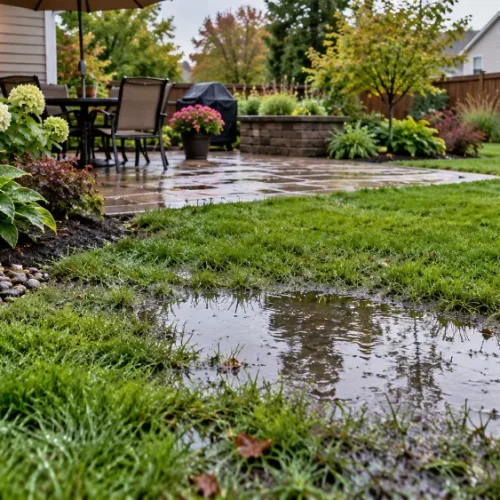
Water should always move away from your home, not toward it. When gutters clog or downspouts don’t direct water far enough, water starts to collect near the foundation. Heavy rains can make this worse in a short time. As water sits near the base of your home, it can slowly weaken the foundation. You may start to see cracks, uneven floors, or doors that don’t close properly. These are signs that the structure may be shifting. Simple maintenance, like clearing gutters and extending downspouts, can prevent this. Paying attention after storms also helps you spot pooling water early. Managing drainage is one of the easiest ways to protect your home from long-term damage.
Cracks That Signal Deeper Problems
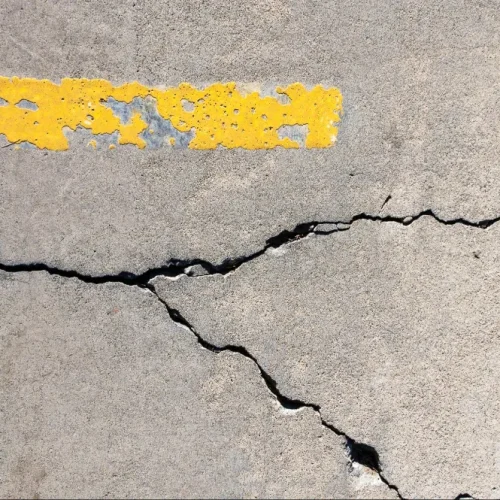
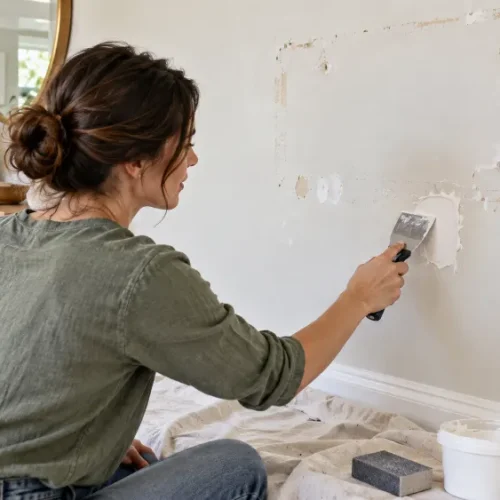
Not every crack is serious, but ignoring them can lead to bigger issues. Thin cracks in walls or ceilings often start small and seem harmless. In Mesa’s dry climate, soil shifts and temperature changes can put stress on a home’s structure. Over time, those small cracks can widen or spread. When cracks grow larger, they may point to movement in the foundation. You might also notice gaps around doors or windows. These changes can affect how your home functions and feels. It’s important to watch cracks closely and note any changes. If they grow or appear in multiple areas, it’s a sign to investigate further. Acting early can prevent costly structural repairs later.
Roof Wear That Leads to Leaks
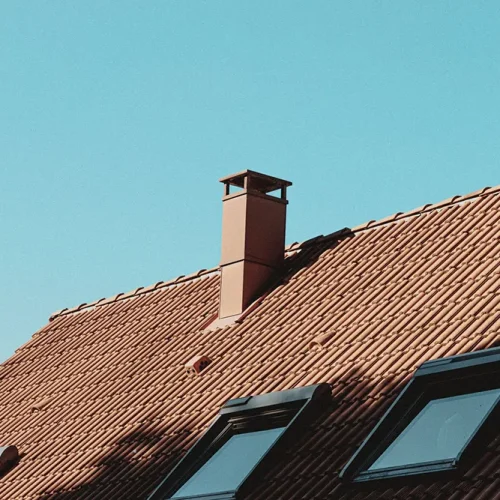
Your roof takes constant exposure from sun, heat, and storms. Strong sunlight can wear down roofing materials faster than expected. Small issues like loose shingles, minor cracks, or worn areas may not seem urgent at first. However, these weak spots allow water to enter during storms. Once water gets in, it can damage insulation, ceilings, and walls. You may notice water stains or peeling paint inside your home. Regular roof checks can help you catch these issues early. It’s a good idea to inspect your roof after heavy rain or wind. Fixing small roof problems right away helps you avoid major repairs and protects the rest of your home from water damage.
Neglected HVAC Systems That Struggle Over Time
Your HVAC system works hard year-round, especially in Mesa’s heat. When you skip regular maintenance, small issues begin to build up inside the system. Dirty filters block airflow, forcing the unit to work harder than it should. Over time, this strain can lead to higher energy bills and uneven cooling in your home. You may also notice strange noises or weak airflow from vents. These are early signs that something is wrong. If ignored, minor issues can lead to system failure during peak seasons. Regular filter changes and annual inspections help keep everything running smoothly. Taking care of your HVAC system early helps you avoid sudden breakdowns and costly repairs when you need it most.
Electrical Warning Signs You Shouldn’t Ignore
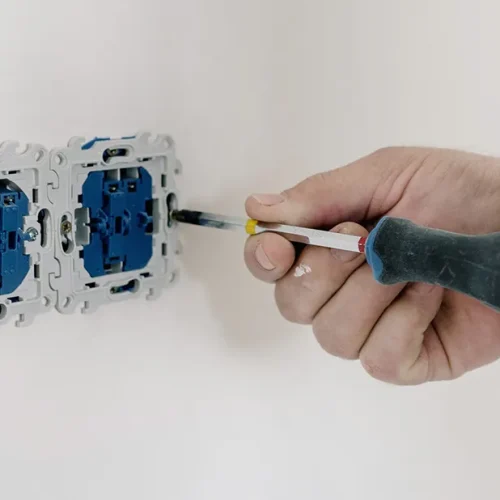
Electrical problems often start with small signs that many homeowners overlook. Flickering lights, outlets that feel warm, or breakers that trip often can point to deeper issues. These signs may seem minor, but they can signal faulty wiring or overloaded circuits. Over time, these problems can increase the risk of damage to appliances or even create safety hazards. It’s important to pay attention to changes in how your electrical system behaves. If something feels off, it’s better to have it checked early. Avoid using too many devices on one outlet and replace damaged cords right away. Addressing electrical issues early helps keep your home safe and prevents more serious problems later.
Small Pest Issues That Grow Quickly
A few ants in the kitchen or signs of insects in the garage may not seem serious at first. However, small pest problems rarely stay small. Once pests find food and shelter, they tend to multiply quickly. Some pests can damage wood, wiring, and insulation without being noticed right away. You might not see the damage until it becomes more severe. Warm weather allows pests to stay active for longer periods, which increases the risk. Keeping your home clean and sealing entry points can help prevent infestations. If you notice ongoing activity, it’s important to act early. Taking care of pest problems quickly helps protect both your home and your living space.
Exterior Wear That Exposes Your Home
The outside of your home protects everything inside, but it needs regular care. Peeling paint, cracked siding, and clogged gutters may not seem urgent, but they can lead to bigger issues. When paint wears off, surfaces become exposed to heat and moisture. Over time, this can cause materials to weaken or break down. Clogged gutters can cause water to overflow and run down walls, leading to damage near the foundation. Small cracks in siding can also allow moisture to enter. These issues often develop slowly, which makes them easy to ignore. Regular inspections and simple upkeep go a long way. Keeping the exterior in good condition helps prevent damage that can spread inside your home.
Small home problems often go unnoticed because they don’t seem urgent at first. In many cases, they develop slowly and quietly. Over time, though, these minor issues can turn into larger repairs that cost more time and money. Paying attention to early signs makes a big difference. Simple steps like regular checks, basic maintenance, and quick fixes can prevent serious damage. Homeownership comes with ongoing responsibility, but it doesn’t have to feel overwhelming. Staying aware of these common problems helps you take control before things get worse. When you act early, you protect your home, your comfort, and your peace of mind for the long term.
FAQs
Small issues worsen because they continue developing unnoticed, eventually causing more damage and higher repair costs.
Signs include a musty smell, visible stains, or mold spots on walls, ceilings, or around vents.
Clogged gutters, poor downspout placement, and heavy rainfall can cause water to pool near the foundation.
Some are harmless, but growing or spreading cracks may indicate structural issues that need attention.
It’s best to check your roof at least twice a year and after major storms.
Common signs include weak airflow, unusual noises, uneven cooling, and rising energy bills.
You should act immediately if you notice flickering lights, warm outlets, or frequently tripping breakers.
Pests can multiply rapidly once they find food and shelter, leading to larger infestations in a short time.
Peeling paint, cracked siding, and clogged gutters can expose your home to moisture and structural damage.
Regular maintenance, early detection, and quick action are key to avoiding costly long-term damage.