This post contains affiliate links. As an Amazon Associate, I earn from qualifying purchases, at no extra cost to you. See our disclosure policy.
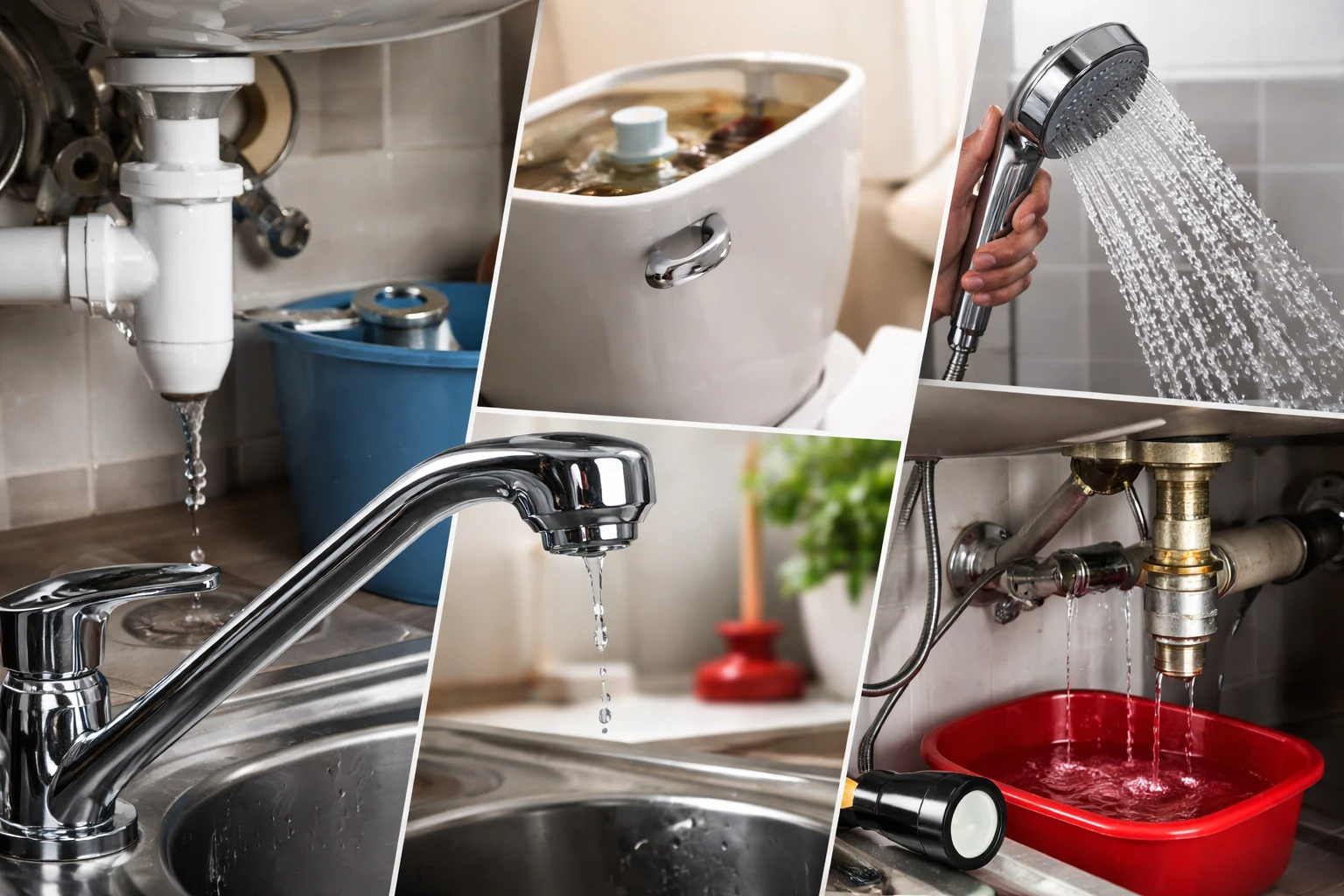
Most plumbing problems don’t start with anything dramatic. There’s no burst pipe or flooded floor. Instead, it usually begins with something small that’s easy to ignore, like a slow drip, a drain that takes a little longer to clear, or a toilet that doesn’t quite stop running.
At first, you adjust. You work around it and move on with your day. But over time, these small issues begin to shape your routine in ways that are easy to overlook. Your mornings feel slightly rushed, everyday tasks take longer, and your water bill slowly increases without a clear reason.
When these minor problems start becoming consistent, it may be time to consider a trusted plumbing repair service in Canton by Green Energy Mechanical to address the issue before it turns into a bigger disruption.
The reality is, these small plumbing issues rarely stay small for long. They tend to build up, affect your comfort, and eventually lead to more noticeable problems inside your home.
Here are seven common plumbing issues that may already be affecting your daily routine without you fully realizing it.
7 Everyday Plumbing Issues That Quietly Affect Your Routine
Small plumbing issues often go unnoticed, but they slowly disrupt comfort, waste time, and affect how smoothly your day runs.
Below are some of the most common ones:
1. Dripping Faucets That Never Really Stop
A dripping faucet feels like background noise during the day. You hear it, but it does not seem urgent enough to fix right away.
At night, it becomes more noticeable. The quiet makes every drop stand out. It can interrupt sleep or make it harder to relax, especially when it keeps going without pause.
There is also the gradual cost. Even a slow drip wastes water over time. It may not show up immediately, but over weeks and months, it starts reflecting in your utility bill. It is one of those small issues that feels harmless, yet it sticks around longer than it should.
2. Slow Drains That Delay Everything
A slow drain rarely stops you from using your sink or shower, which is why it often gets ignored. But it changes how your routine flows.
Water lingers in the sink while you are brushing your teeth. The shower floor starts to collect water around your feet. It is not enough to cause alarm, but it adds a layer of inconvenience that builds over time.
Mornings begin to stretch longer than expected. Tasks that should feel quick become slightly slower. Most of the time, this comes from buildup inside the pipes. Soap, grease, hair, and other debris slowly narrow the passage until water cannot move as freely as it should.
3. Running Toilets That Waste Water Daily
A running toilet is easy to overlook, especially when the sound is subtle or intermittent. Sometimes it stops on its own, which makes it feel like a temporary issue.
In reality, water keeps moving through the system more often than you realize. This continuous flow leads to higher water usage throughout the day.
Many people only notice when their water bill increases without an obvious explanation. The issue often comes down to small internal parts wearing out over time. Even though the components are simple, the effect is constant and ongoing.
4. Low Water Pressure That Slows You Down
Low water pressure does not stop your plumbing from working, but it changes how everything feels.
A quick shower becomes longer because rinsing takes more time. Washing dishes feels less efficient. Even filling a bucket or pot can take longer than expected.
It may not seem like a major problem, but over time, it becomes frustrating. In homes with multiple people, the inconvenience becomes more noticeable when several tasks rely on steady water flow.
The cause can vary. Mineral buildup, hidden leaks, or issues with the main supply line can all reduce pressure. Whatever the source, the result is the same. Everyday tasks take more effort than they should.
5. Leaky Pipes You Don’t Immediately Notice
Some leaks are easy to spot, but others stay hidden. They can sit under sinks, behind walls, or in areas you rarely check.
At first, the signs are subtle. A slight damp smell. A surface that feels a bit softer than usual. Maybe a small patch of moisture that does not seem like a big concern.
Over time, that moisture spreads. It creates the right conditions for mold to grow and for materials to weaken. Wood can start to warp, and surfaces lose their strength.
Because these leaks are not obvious, they often go unnoticed until the damage becomes more serious. What started as a small issue gradually turns into a larger repair.
6. Inconsistent Hot Water That Disrupts Comfort
Reliable hot water is something most people expect without thinking about it. When it becomes inconsistent, it stands out quickly.
You step into the shower expecting a steady temperature, and instead, it shifts unexpectedly. Warm water turns cold, then back again.
It affects how you plan your day. Showers take longer, and timing becomes less predictable, especially in households where several people need hot water around the same time.
This kind of issue is often tied to the water heater. Sediment buildup, aging components, or system wear can all affect performance. It may not seem urgent at first, but it becomes more noticeable the more often it happens.
7. Frequent Toilet Clogs at Inconvenient Times
A clogged toilet is never pleasant, but when it happens frequently, it becomes more than just an occasional inconvenience.
It interrupts your routine without warning. You have to stop what you are doing and deal with it immediately. In shared spaces, it can also feel uncomfortable and stressful.
Frequent clogs usually point to a deeper issue. It could be a partial blockage further down the line or a problem with how the system is handling waste.
The unpredictability is what makes it difficult. You cannot plan for it, and when it happens, it demands attention right away.
Why Small Plumbing Issues Should Be Fixed Early
Each of these problems may seem manageable on its own. None of them feels urgent enough to demand immediate action. But over time, they start to add up and quietly change how your home functions.
- Small delays begin to stack up throughout your day, turning simple routines into drawn-out tasks that feel more frustrating than they should
- Minor inefficiencies, like slow drains or low pressure, start affecting comfort in ways that are easy to overlook but hard to ignore over time
- What starts as a quick fix can grow into a more complicated issue, especially when small leaks or clogs are left unattended for too long
- Repairs that could have been simple and affordable often become larger, more time-consuming problems that require more effort and cost to resolve
Addressing these issues early keeps everything running the way it should. It helps you avoid unnecessary stress and keeps your daily routine smooth without unexpected interruptions. Finding the right plumbing supply parts can make all the difference when tackling repairs or upgrades. Browse a wide selection of high-quality components to ensure your plumbing system runs efficiently and reliably.
On A Final Note
Small plumbing issues have a way of staying in the background. They do not demand attention right away, so they remain part of your daily routine.
Over time, though, they shape how your home feels. They affect how smoothly your day goes, how comfortable your space is, and how efficiently everything works.
Taking care of these problems early helps maintain that sense of ease in your home. It keeps your routine predictable and removes the small disruptions that build up over time.
When your plumbing works the way it should, you barely notice it. And that is usually a sign that everything is running just fine.
FAQs
Common issues include dripping faucets, slow drains, running toilets, low water pressure, and minor leaks.
Yes, even a slow drip can waste gallons of water over time, leading to higher utility costs.
Buildup from soap, grease, and debris gradually narrows pipes, making it harder for water to flow freely.
It may seem minor, but it can waste a significant amount of water daily and increase your bill.
It can result from mineral buildup, hidden leaks, clogged pipes, or issues with the main water supply.
Signs include damp smells, unexplained moisture, mold growth, or warped surfaces around plumbing areas.
Inconsistent hot water is often caused by sediment buildup or aging components in the water heater.
Yes, repeated clogs can indicate deeper blockages or problems within your plumbing system.
If issues persist, worsen, or start affecting your daily routine, it’s best to seek professional help early.
Addressing problems early prevents costly repairs, reduces water waste, and keeps your daily routine running smoothly.