This post contains affiliate links. As an Amazon Associate, I earn from qualifying purchases, at no extra cost to you. See our disclosure policy.
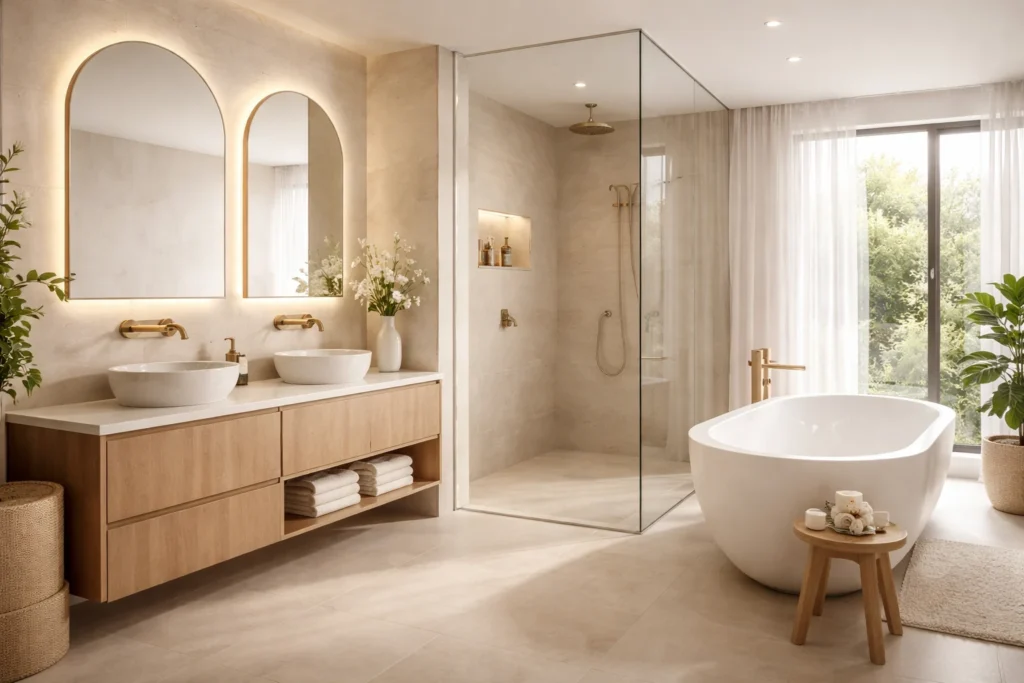
A beautifully designed bathroom is not only a pleasure to use but also a valuable addition to any home. It is a space where practicality meets personal comfort, and where aesthetics play an important role in creating a relaxing environment. Achieving the perfect balance between function and style can sometimes seem challenging, especially when there are so many design choices, materials, and layout options to consider. Yet with the right approach, it is possible to create a bathroom that is both visually appealing and highly functional. In this blog, we explore how to strike that ideal balance and design a bathroom that meets everyday needs without sacrificing elegance or personality.
Understanding the Purpose of the Space
Every great bathroom design starts with a clear understanding of how the space will be used. A busy family bathroom has different requirements from a private ensuite. While one may need durable materials and plentiful storage, the other may prioritise luxury features and a more refined atmosphere. Considering your lifestyle and daily habits is essential when planning the layout, selecting fixtures, and choosing finishes.
A well designed bathroom should support routine tasks such as showering, grooming, and storage without feeling cluttered. At the same time, it should offer a space that feels peaceful and pleasant. When the design reflects both practical needs and personal style, the bathroom becomes a place you genuinely enjoy spending time in.
Prioritising Function in the Layout
The layout is the foundation of any functional bathroom. A good layout ensures the space flows well, feels comfortable, and provides easy access to essential areas. Begin by assessing the available space and determining the best positions for the shower, vanity, toilet, and bath if one is included.
Placing the shower and bathtub away from the main walkway can prevent water splashes from reaching other areas. Positioning the vanity where there is plenty of natural or artificial light makes grooming tasks easier. Ensuring the toilet is placed discreetly, either behind a partial wall or in its own nook, can help maintain a sense of privacy.
Traffic flow is also an important consideration. A functional bathroom allows users to move freely without navigating around obstacles. Even in smaller bathrooms, thoughtful placement of fixtures can create a sense of openness and ease of use.
Smart Storage Solutions That Complement Style
Storage is one of the most influential factors in achieving a functional bathroom. Without adequate storage, even the most stylish bathroom can quickly become cluttered and stressful to use. Modern bathroom design embraces clever storage solutions that keep items organised while enhancing the overall look of the space.
Floating vanities are a popular choice because they offer a sleek, modern appearance while providing ample drawer space. Tall cabinets or mirrored cabinets are perfect for storing toiletries, cleaning products, and towels. Built in niches within the shower offer convenient storage for shampoos and soaps without interfering with the clean lines of the design.
The beauty of modern storage solutions is that they contribute to both function and style. Clean surfaces, hidden compartments, and streamlined cabinetry help maintain a minimalist aesthetic while ensuring the bathroom remains practical.
Choosing Materials That Combine Beauty and Durability
Materials play a major role in balancing style and function. Bathrooms are high moisture environments, so it is important to choose finishes that can withstand daily use while still contributing to the overall design.
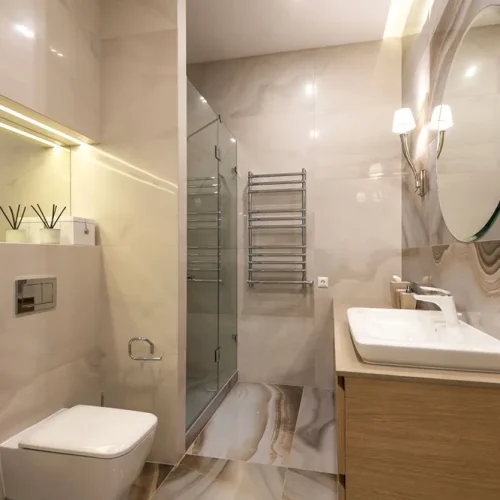
Porcelain and ceramic tiles are excellent for floors and walls because they are durable, easy to clean, and available in a wide range of colours and textures. Natural stone can add a luxurious touch, although it requires more maintenance. Timber look materials offer warmth and style while providing better moisture resistance than real timber.
A balanced bathroom design often incorporates a mix of practical and decorative materials. For example, stone look tiles for the shower can provide durability, while a timber vanity brings warmth and visual interest. Choosing quality materials not only enhances the aesthetic but also ensures the bathroom will remain beautiful for many years.
Lighting That Enhances Both Mood and Function
Lighting is a crucial element in any bathroom and greatly influences both the mood and practicality of the space. A well lit bathroom makes tasks such as shaving, makeup application, and grooming much easier, while softer lighting helps create a relaxing atmosphere during a bath or evening winding down.
Layered lighting is often the best approach. Overhead lighting provides general illumination, while task lighting around the mirror offers clarity for grooming. Ambient lighting, such as LED strips beneath vanities or around mirrors, adds a soft glow that enhances the sense of relaxation. Natural light is also valuable, so consider adding larger windows or skylights if possible.
The right lighting design can elevate the entire space, making it visually appealing while supporting everyday activities with ease.
Incorporating Personal Style Thoughtfully
While function is essential, style is what makes the bathroom unique and reflective of your personality. Modern bathroom design embraces simplicity but leaves plenty of room for creative expression. Whether you prefer a crisp white palette, earthy tones, or bold features, there are many ways to infuse your style without compromising practicality.
Feature tiles are a great way to add interest. A textured tile in the shower area or behind the vanity can create a stunning focal point. Stylish tapware in finishes such as matte black, brushed nickel, or brushed gold can add a touch of sophistication. Accessories such as plants, artwork, or decorative storage jars can enhance the atmosphere without overwhelming the space.
The key is to choose elements that complement each other and feel cohesive. Style does not have to be extravagant. Even subtle design choices can create a beautiful and inviting bathroom.
Modern Technology for Comfort and Convenience
Incorporating modern technology can also help balance function and style. Heated flooring provides comfort during cold mornings. Smart mirrors offer lighting and antifog features. Digital shower systems allow precise control of water temperature and pressure. These technologies enhance convenience while contributing to a sleek, modern look.
While not every remodel requires advanced features, including even one or two modern technologies can elevate the bathroom experience significantly.
Maintaining Balance Through Simplicity
Balance is achieved when style enhances function rather than overpowering it. A good rule is to avoid overcrowding the space with too many decorative features or unnecessary fittings. Simplicity is often the most effective way to achieve a harmonious design.
A well balanced bathroom feels cohesive, comfortable, and visually pleasing. Every element has a purpose, and nothing feels unnecessarily added. This timeless approach ensures the bathroom remains relevant and enjoyable long after the remodel is complete.
Conclusion
Creating the perfect balance between function and style in bathroom design requires thoughtful planning, smart choices, and a clear understanding of your needs. By focusing on layout, storage, materials, lighting, and personal style, you can design a bathroom that is both practical and beautiful. Whether you aim for a minimalist retreat, a luxurious spa like sanctuary, or a warm and inviting family space, finding that balance ensures your bathroom will be a place of comfort, convenience, and enduring style.
FAQs
The layout is the most important, as it determines how efficiently the space functions day to day.
Use space-saving fixtures, light colors, mirrors, and smart storage to maximize both usability and visual appeal.
Moisture-resistant materials like porcelain tiles, ceramic, and engineered wood are durable and easy to maintain.
Incorporate built-in shelves, floating vanities, and mirrored cabinets to keep items organized and out of sight.
Layered lighting with overhead, task, and ambient lights provides both functionality and a relaxing atmosphere.
Use feature tiles, unique fixtures, and accessories like plants or artwork to reflect your personal style.
Yes, features like heated floors and smart mirrors improve comfort, convenience, and overall experience.
Choose high-quality, durable materials and incorporate a few standout features without overloading the space.
Light, neutral tones such as white, beige, and soft gray help create a more open and airy feel.
Stick to simple layouts, neutral palettes, and classic materials that won’t go out of style quickly.