Protecting a balcony from rain means more than just treating the surface with a product and hoping it will last for a long time. For a residential property, what matters is the tightness of transition points, the proper condition of the surface, the absence of hidden leaks, normal water drainage, and the strength of the structure itself. D&B builds its work in exactly this way: the company handles the repair, waterproofing, replacement, and technical assessment of balconies, decks, and other elevated exterior elements so that they remain safe and do not deteriorate under the effects of moisture.
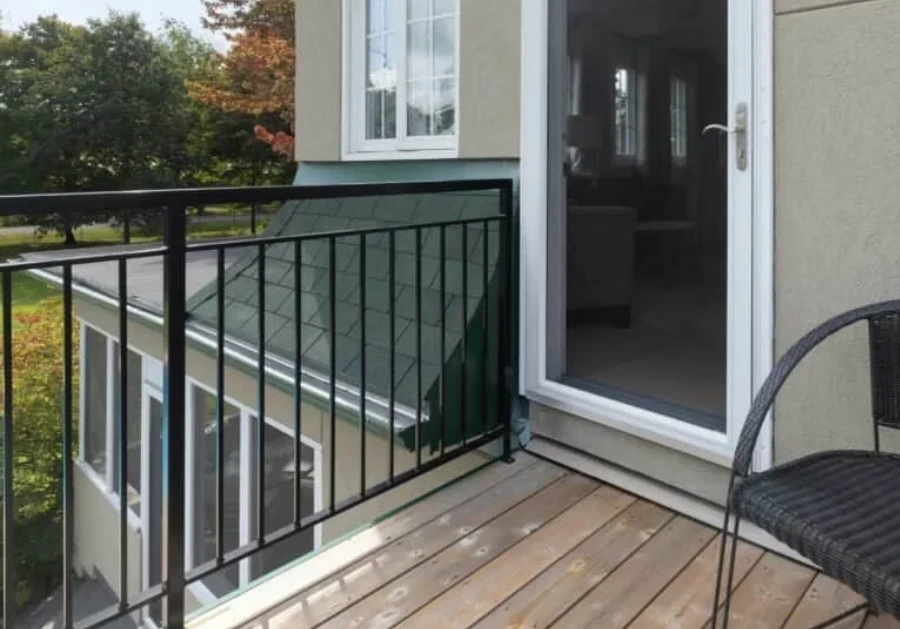
When an exterior platform needs not a one-time treatment, but full protection from precipitation, D&B https://www.decksandbalcony.com/ approaches the task comprehensively. This approach includes waterproofing, leak detection and repair, protective coating applications, installation of waterproofing membranes, inspections, and work to eliminate defects that have already appeared because of water. This format is especially important for apartment buildings, condominiums, HOAs, and other residential properties, where even a small leak quickly turns into a more expensive problem.
Why rain is dangerous not only for the finish
Moisture rarely remains only a surface inconvenience. D&B directly connects hidden leaks and persistent moisture with deterioration of the exterior structure, and among the critical problems it identifies water stains, peeling paint, mold growth, flashing and sealant failures, concrete damage, and deterioration of deck boards. This means that rain begins affecting the structure in several ways at once: water passes through cracks and joints, remains on the surface, enters vulnerable areas, and gradually weakens the entire exterior element.
That is why protection from precipitation, for D&B, is not limited to appearance. If stains, peeling coatings, corrosion, or standing water are left without attention, the structure loses reliability over time, and future repairs become more difficult and more expensive. In D&B materials, this connection is described directly: water damage can weaken the structure and lead to costly repairs if left unchecked.
What shows that a balcony is already poorly protected from rain
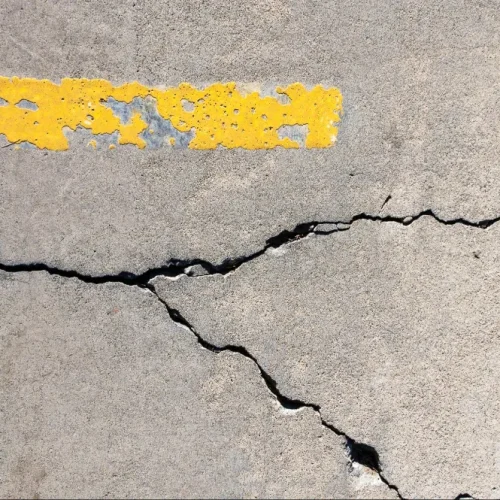
- Cracks and chips on the surface through which moisture begins to penetrate deeper into the structure.
- Water stains or discoloration on walls, ceilings, floors, and nearby areas.
- Mold and dampness that appear where water remains for too long.
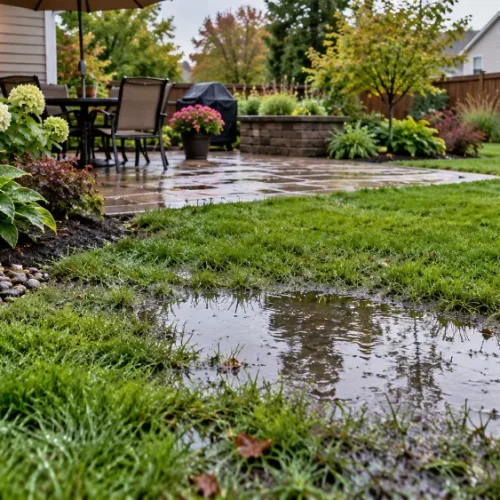
- Puddles after rain, especially near walls and in corners where the slope is incorrect or drainage is not working properly.
- Rust and corrosion on metal parts, fasteners, and railing elements.
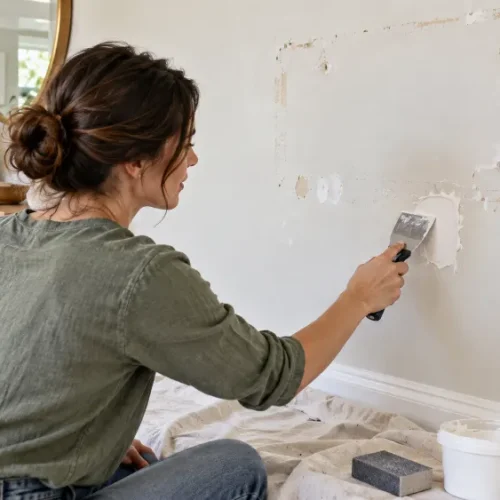
- Peeling, bubbling, or flaking paint and coatings.
- Repeated minor defects that reappear after local touch-up painting or patching.
These signs are important not separately, but as an overall picture. One chip may still be overlooked, but when stains, dampness, and joint problems appear next to it, it becomes clear that the balcony is no longer handling rain exposure properly and needs not cosmetic work, but professional protection. This is exactly why D&B places emphasis on early identification of such problems through expert review, inspections, and assessments.
What solutions D&B uses for rain protection
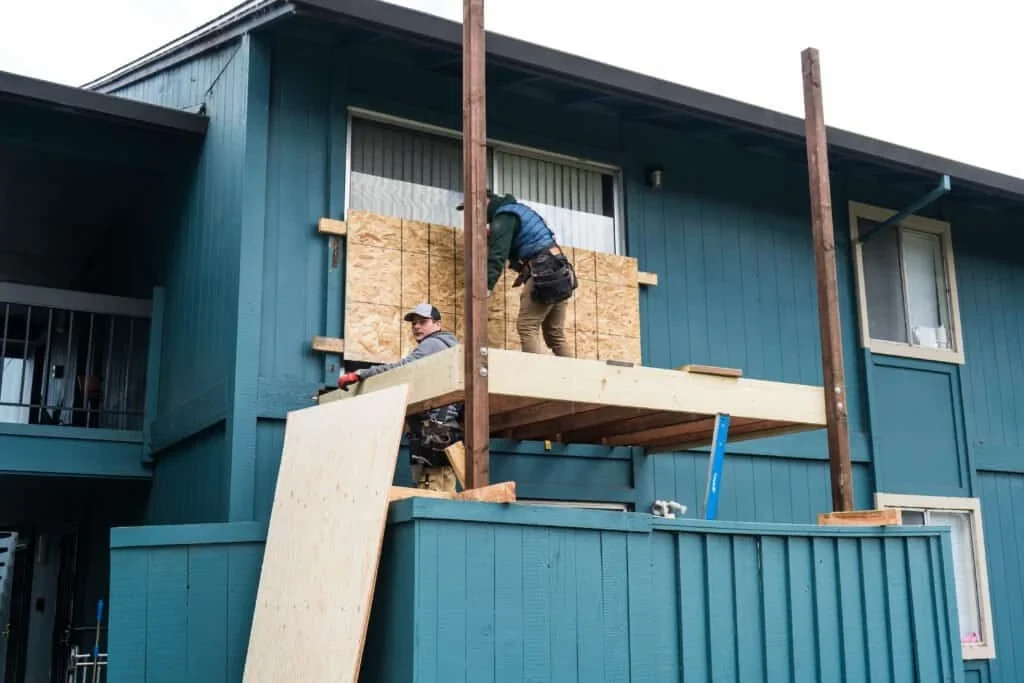
- Professional waterproofing with the use of sealants and waterproofing materials to protect against water damage.
- Leak detection and repair when the source of moisture is hidden and must be found before the main work begins.
- Protective coating applications for additional protection of the surface from constant contact with water.
- Installation of waterproofing membranes if the property needs deeper protection from moisture intrusion.
- Structural repairs and reinforcement when water has already affected the base, concrete, boards, or other load-bearing parts.
- Restoration of the railing system and critical connections if moisture has affected fasteners and metal components.
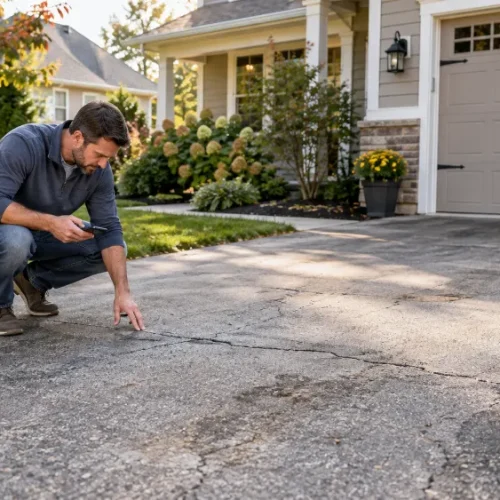
- Safety inspections and detailed inspection reports to confirm the condition of the exterior structure after rain-related damage and before continued use.
This approach is practical because D&B does not separate rain protection from the overall condition of the structure. If the surface has already cracked, if water has reached the joints, if precipitation has begun damaging concrete, wood, or the railing, the company works along the entire chain at once: identifying the problem, correcting the defects, providing moisture protection, restoring damaged parts, and carrying out the final inspection. Because of this, the exterior platform receives not a temporary patch, but a more durable result.
Why protection will not be complete without drainage and slope control
One of the clearest reasons for problems after rain is pooling water. D&B states this directly in its materials: if water collects on the surface, this means the slope for drainage is not working properly. Such standing water does not only affect appearance. It seeps into cracks, accelerates surface deterioration, may pass below, and can create stains on the ceiling of the space under the balcony.
That is why rain protection begins not only with sealants. It begins with understanding where the water goes, where it remains, in which areas breaks in protection are forming, and whether flashing and sealants around edges, doors, and penetrations have been damaged. In D&B’s logic, a good result comes not from one material alone, but from the correct combination of waterproofing, repair work, and control of critical structural areas.
How to extend protection after the main work
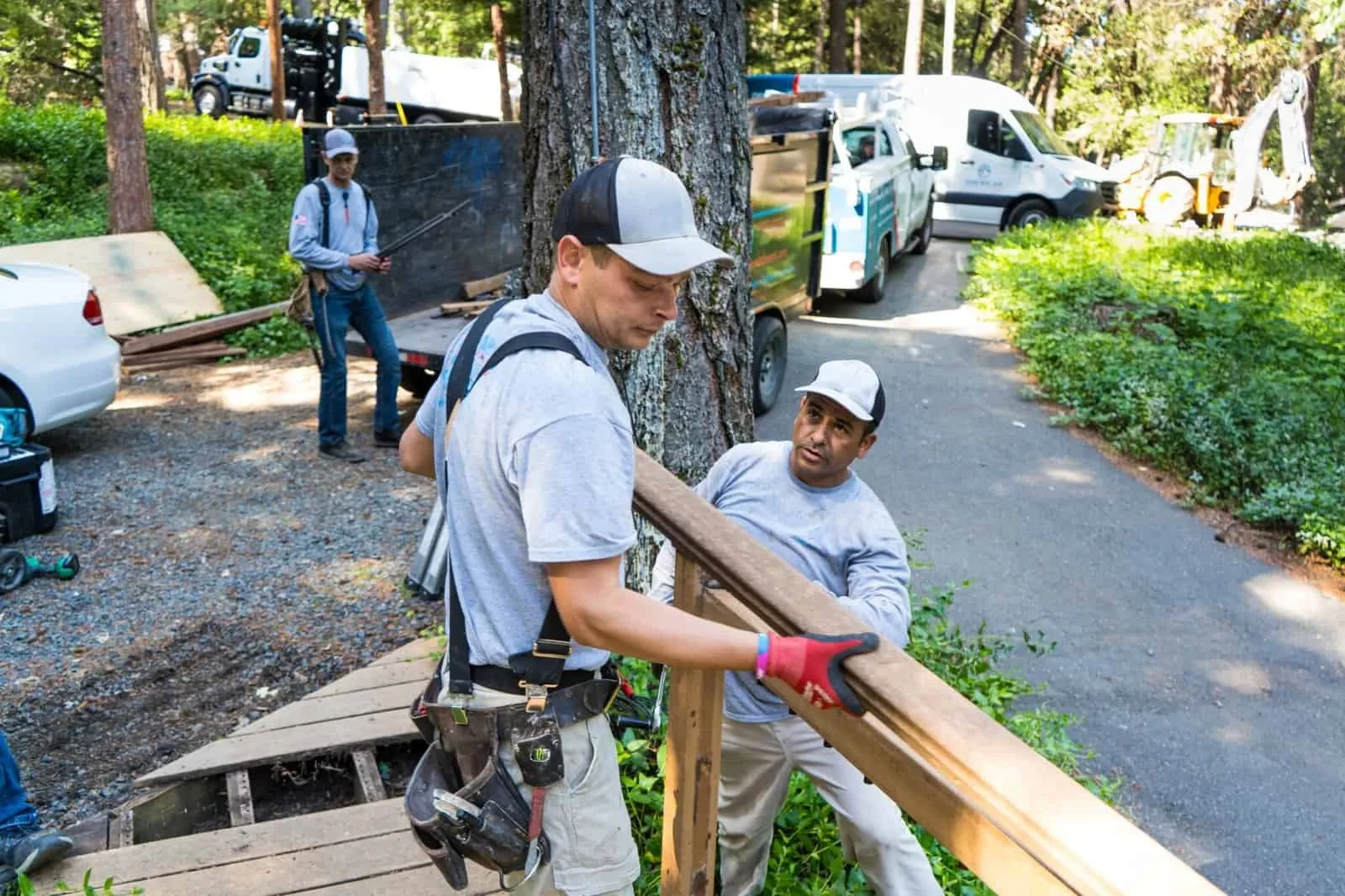
In its waterproofing materials, D&B emphasizes that the service life of the system depends on the quality of the materials, the installation method, the climate, and regular maintenance. On average, most waterproofing solutions for balconies last at least 10 years when properly installed and maintained, and regular inspections and upkeep help extend this period.
For everyday use, this means simple but important actions: periodically inspect the surface, quickly correct small defects, do not allow standing water, monitor the drainage system, and renew sealant when needed. This routine does not replace professional repair, but it helps preserve the result longer and prevents the exterior structure from reaching serious deterioration.
D&B and a well-planned approach to balcony rain protection
D&B approaches protection from rain as a technical task, not as seasonal cosmetic work. The company combines inspections, waterproofing, leak detection, protective coatings, moisture barriers, repairs, and reinforcement in one process, so the exterior platform receives not only a drier surface, but also better protection for the entire structure. This is especially important where the balcony is constantly under use and must remain safe for residents.
When a property needs not just to survive the next rain, but to keep the balcony in proper working condition for the future, D&B offers a clear format of cooperation. The company helps identify weak points, determine the right scope of work, and bring the exterior element to a condition in which moisture protection, reliability, and safety work together rather than separately.
FAQs
Rainwater can penetrate cracks and joints, leading to structural damage, mold growth, and deterioration of materials if the balcony is not properly waterproofed.
Common signs include water stains, peeling paint, mold growth, puddles after rain, rust on metal components, and recurring surface cracks.
Surface treatments alone are often temporary; effective protection usually requires proper waterproofing, repairs, and inspection of structural elements.
D&B performs detailed inspections and leak detection to locate moisture sources before starting waterproofing or repair work.
Solutions may include sealants, waterproof membranes, protective coatings, structural repairs, and reinforcement of vulnerable joints and connections.
Without proper slope and drainage, water can pool on the surface, increasing the risk of leaks, cracks, and long-term structural damage.
Most professionally installed waterproofing systems can last around 10 years or longer when properly maintained.
Yes, small cracks or chips can allow water to enter the structure, which may eventually weaken materials and require more extensive repairs.
Regular inspections, clearing drainage systems, repairing small defects quickly, and renewing sealants when necessary can help extend protection.
Apartment buildings, condominiums, HOAs, and residential property owners benefit the most because moisture problems can affect multiple units and structural elements.