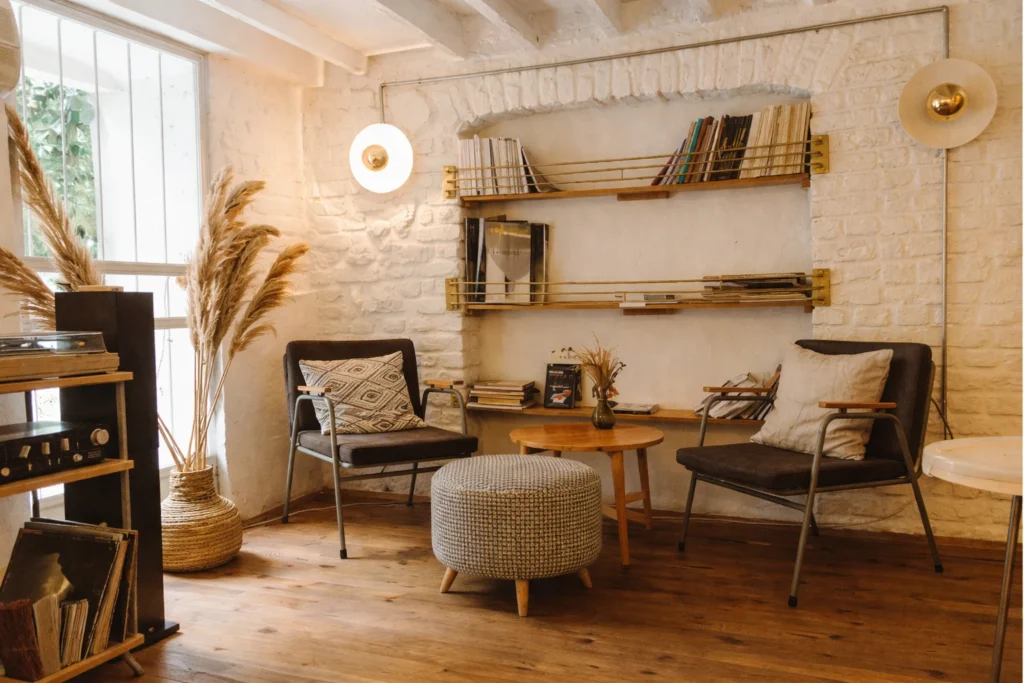
Most people underestimate how much their surroundings influence their mood. We blame stress on work. We blame exhaustion on schedules. We blame lack of motivation on ourselves.
But often, the space we live in quietly shapes how we feel every single day. Your home isn’t just a backdrop to your life. It’s an active participant in it. The good news? You don’t need a full renovation or a huge budget to create a happier environment. Small, intentional changes can significantly shift your energy and well-being. Let’s explore how your living space affects your happiness and what you can do about it.
1. Light Changes Everything
Natural light has a direct impact on mood and mental clarity. Dark spaces can make us feel sluggish and low on energy, while brighter rooms often boost optimism and focus.
Simple upgrades:
- Rearrange furniture to allow more sunlight into the room.
- Replace heavy curtains with lighter fabrics.
- Add mirrors to reflect light and visually expand the space.
- Swap warm, dim bulbs for balanced daylight bulbs in work areas.
You don’t need more square footage. You need better light distribution.
2. Clutter Equals Mental Noise
Clutter isn’t just physical it creates psychological pressure. When surfaces are overloaded, your brain constantly processes unfinished tasks. Even if you’re not consciously thinking about the mess, your nervous system registers it.
Easy improvements:
- Clear one surface at a time (start with your bedside table or kitchen counter).
- Create designated storage for daily essentials.
- Adopt a “one in, one out” rule for new items.
- Use baskets or concealed storage to reduce visual overload.
A calmer visual field creates a calmer internal state.
3. Color Influences Emotion
Color psychology plays a powerful role in how we feel at home.
- Soft neutrals create calm.
- Blues and greens promote relaxation.
- Warm tones increase energy and comfort.
- Overly dark or chaotic color schemes can feel overwhelming.
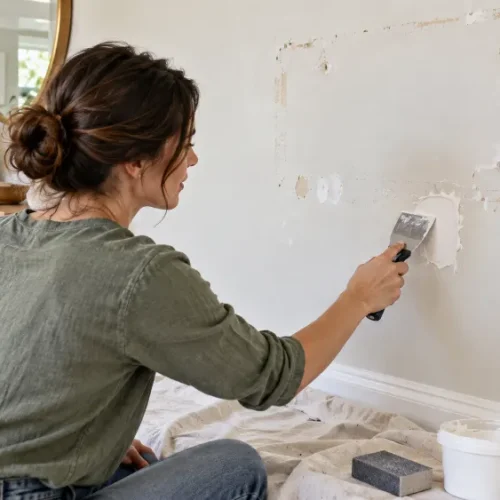
You don’t need to repaint the entire house.
Try this instead:
- Add cushions or throws in calming tones.
- Introduce plants for natural green balance.
- Change artwork to reflect the atmosphere you want to create.
Small color adjustments can subtly shift the emotional temperature of a room.
4. Functional Spaces Reduce Stress
Sometimes dissatisfaction at home isn’t aesthetic it’s functional.
A poorly organized entryway creates daily frustration.
An inefficient kitchen layout adds tension to simple tasks.
A bedroom doubling as an office can blur rest boundaries.
Happiness improves when your home works with you, not against you.
Practical changes:
- Create defined zones (work, rest, relaxation).
- Use vertical storage to free up floor space.
- Upgrade small problem areas (hooks, organizers, drawer dividers).
- Improve flow by removing unnecessary obstacles.
Function is often more important than decoration.
5. Personalization Builds Emotional Connection
Your home should reflect who you are — not just trends.
When your environment aligns with your identity, you feel more grounded and secure.
Add meaning:
- Display personal photographs.
- Showcase travel souvenirs.
- Frame artwork that inspires you.
- Incorporate textures you love (linen, wood, woven fabrics).
A home that feels personal creates emotional safety — and emotional safety supports happiness.
6. The Bigger Picture: When Small Changes Aren’t Enough
While simple adjustments can dramatically improve daily life, sometimes dissatisfaction runs deeper.
If you constantly feel drained by your environment — the neighborhood, the layout, the noise level, or lack of space — it may not be about décor at all.
It may be about location.
In those cases, exploring new options can be empowering. Even browsing properties in different areas can shift your mindset from feeling stuck to feeling capable of change. Platforms like ListProperty4Free allow you to browse property listings across various countries and price ranges, giving you a broader view of what’s possible without complicated processes.
You may discover that a small relocation even within the same city could dramatically improve your quality of life.
Sometimes happiness begins with rearranging a room.
Sometimes it begins with finding a new one.
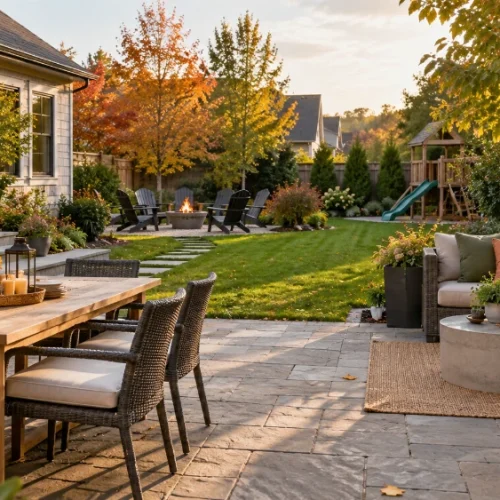
7. Outdoor Spaces Matter More Than You Think
Access to outdoor areas even small ones significantly improves well-being.
A balcony with plants.
A small patio with seating.
A garden corner with privacy.
Nature reduces stress hormones and restores focus.
Affordable upgrades:
- Add potted plants.
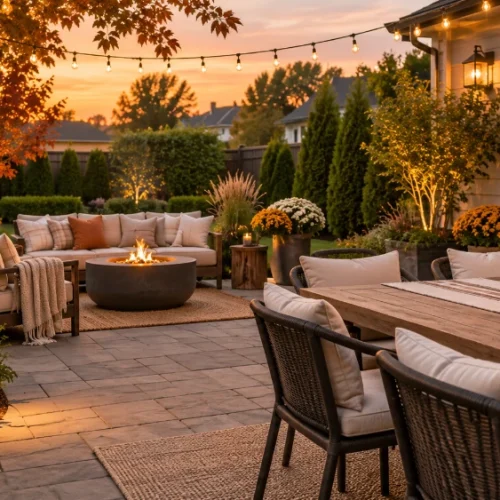
- Install simple outdoor lighting.
- Create a small morning coffee spot.
- Use weather-resistant cushions for comfort.
Even limited outdoor access can dramatically elevate your daily routine.
8. Routine and Ritual Reinforce Happiness
Your space influences your habits.
If your home encourages positive routines, your happiness increases naturally.
Consider:
- A cozy reading corner that invites quiet time.
- A clear dining table that encourages shared meals.
- A decluttered bedroom that improves sleep.
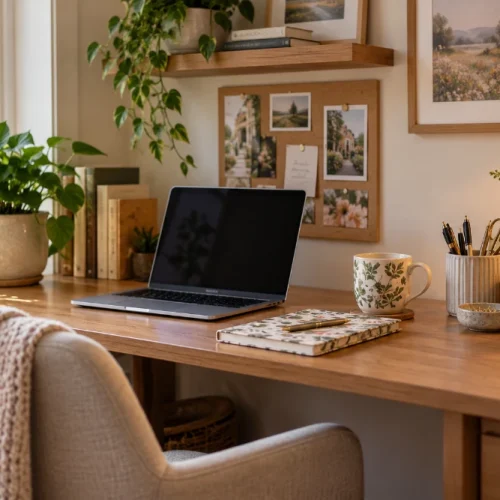
- A small desk area that supports productivity.
Designing for the life you want makes it easier to live it.
Final Thoughts
Your happiness isn’t only shaped by big life events. It’s shaped by what surrounds you every day.
Light. Space. Color. Function. Personal meaning.
Start small.
Open the curtains. Clear one surface. Add one plant. Rearrange one corner.
And if you realize your current environment no longer supports who you’re becoming, remember you have options. Your home should energize you, not exhaust you. Because when your space feels aligned, your light shines a little brighter.
FAQs
Your living space affects your happiness by influencing mood, stress levels, focus, and overall emotional comfort through light, layout, and organization.
Yes. Simple adjustments like decluttering, improving lighting, or adding plants can noticeably boost energy and reduce stress.
Clutter creates visual noise that signals unfinished tasks to your brain, increasing mental fatigue and anxiety.
Soft neutrals, blues, and greens are known to promote relaxation and emotional balance.
Natural light supports better sleep cycles and can improve mood by increasing serotonin levels.
Rearranging furniture, maximizing light, clearing surfaces, and adding affordable décor like plants can make a big difference.
Personal items create emotional connection and a sense of belonging, which strengthens overall well-being.
If layout, location, or environment consistently drain your energy despite changes, relocation may be worth exploring.
Yes. Even small outdoor areas reduce stress and improve focus by increasing exposure to nature.
Designated zones for rest, work, and relaxation make positive routines easier to maintain.