This post contains affiliate links. As an Amazon Associate, I earn from qualifying purchases, at no extra cost to you. See our disclosure policy.
Sustainable luxury has quickly become a defining theme in modern home design. Homeowners want spaces that feel refined and comfortable, but they also expect those spaces to operate efficiently behind the scenes. Bathrooms sit at the center of that shift. They use a significant share of a home’s daily water and energy, which makes them one of the most impactful areas to upgrade responsibly. A thoughtful remodel can reduce consumption without sacrificing comfort, style, or long-term value.
In places where humidity levels remain high and water conservation remains important for coastal communities, smart upgrades take on even greater importance. Many homeowners start by choosing efficient fixtures or eco-friendly finishes, but the planning process can quickly become technical. Plumbing codes, ventilation requirements, and moisture control all play a role.
Designing for Sustainability Without Sacrificing Style
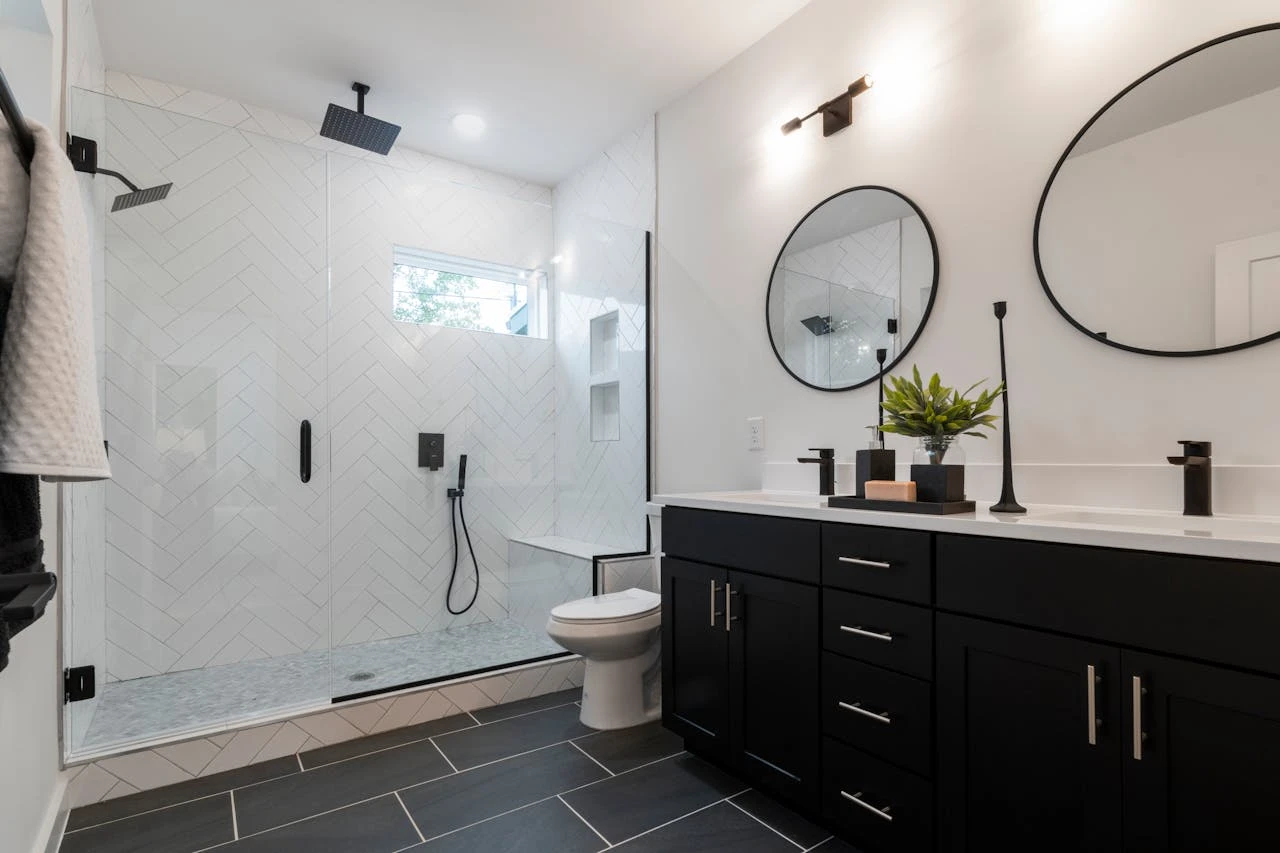
Creating an eco-friendly bathroom does not mean settling for a basic or minimalist look. Today’s sustainable materials and technologies integrate seamlessly into high-end design. Homeowners can pair water-efficient fixtures with custom tile work, floating vanities, and frameless glass enclosures. The key is planning. When design decisions and performance goals align from the start, the result feels cohesive rather than pieced together. Working with an experienced bathroom remodeling company ensures eco-friendly features meet local requirements while delivering long-term durability and water efficiency.
At the same time, sustainability requires more than surface-level choices. Ventilation systems must handle moisture properly, especially in humid climates. Plumbing layouts need to support efficient water flow without compromising pressure. By thinking through these details early, homeowners can avoid costly revisions and ensure that every design feature supports both environmental responsibility and daily comfort.
High-Efficiency Plumbing Fixtures for Significant Water Savings
Upgrading plumbing fixtures offers one of the fastest ways to reduce water use in a bathroom. Modern low-flow toilets use significantly fewer gallons per flush while maintaining reliable performance. Dual-flush models give users control over how much water they use, resulting in measurable savings over time. WaterSense-labeled products make it easier to identify options that meet strict efficiency standards without sacrificing functionality.
Showerheads and faucets also play a major role. Aerated faucets and high-efficiency showerheads maintain strong pressure while minimizing unnecessary water use. For households in water-conscious regions, these upgrades lower monthly utility bills and reduce strain on local resources. The best part is that most users do not notice a difference in performance. They enjoy the same comfort with a smaller environmental footprint.
Sustainable Flooring and Countertop Materials
Materials set the tone for the entire bathroom, and sustainable options have expanded dramatically in recent years. Recycled glass countertops offer durability and visual appeal while diverting waste from landfills. Bamboo cabinetry provides a renewable alternative to traditional hardwoods, and reclaimed wood adds warmth without requiring new timber harvesting. These materials allow homeowners to make responsible choices without limiting design flexibility.
Flooring choices matter just as much. Recycled porcelain or ceramic tiles offer strength and moisture resistance, essential in wet environments. Durable materials reduce the need for frequent replacements, cutting down on long-term waste and renovation costs. By selecting surfaces built to last, homeowners invest in both environmental stewardship and practical performance that supports everyday life.
Energy-Efficient Lighting and Smart Ventilation Systems
Lighting shapes how a bathroom looks and functions. Switching to LED fixtures immediately reduces electricity use while delivering bright, consistent illumination. LEDs last significantly longer than traditional bulbs, which lowers replacement costs and waste. Homeowners can also layer lighting by combining ceiling fixtures, vanity lights, and accent lighting to create a balanced and efficient setup that supports daily routines.
Ventilation deserves equal attention, especially in humid climates. ENERGY STAR-rated exhaust fans remove excess moisture efficiently, helping prevent mold growth and structural damage. Smart models with humidity sensors automatically activate when moisture levels rise, saving energy and protecting indoor air quality. A well-lit and properly ventilated bathroom feels comfortable while operating responsibly behind the scenes.
Non-Toxic, Low-VOC Paints and Sealants for Healthier Indoor Air
Many conventional paints and adhesives release volatile organic compounds that linger in the air long after a renovation ends. Choosing low-VOC or zero-VOC paints reduces those emissions and improves indoor air quality. This decision matters even more in bathrooms, where limited airflow can trap odors and chemical residues in a confined space.
Sealants and caulks also help maintain a healthier environment. High-quality, low-toxicity products provide strong moisture resistance without introducing harmful fumes. These materials protect walls, trim, and tile edges while supporting better respiratory health. Over time, cleaner indoor air contributes to overall wellness, making these upgrades practical and environmentally responsible.
Water-Heating Innovations: Tankless and Solar Options
Water heating accounts for a large portion of household energy use, and bathrooms rely on it daily. Tankless water heaters offer an efficient alternative to traditional storage systems by heating water only when needed.
In sunny regions, solar-assisted water heating can further reduce energy consumption. Panels capture solar energy to preheat water before it enters the system, which lowers reliance on grid electricity. Although the upfront investment may be higher, long-term savings and reduced carbon emissions often justify the upgrade. Proper sizing and professional installation ensure that the system operates efficiently for years.
Maximizing Natural Light with Skylights and Solar Tubes
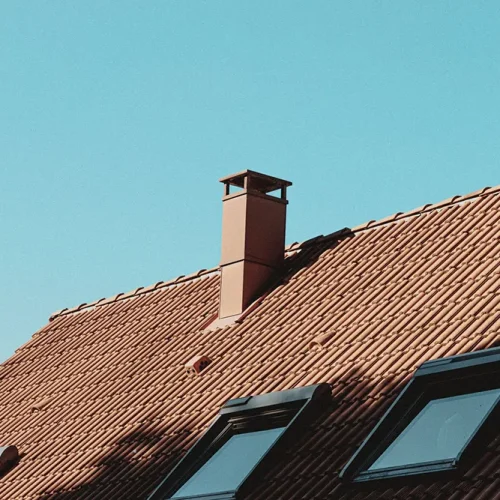
Bringing more natural light into a bathroom decreases the need for artificial lighting during the day. Skylights introduce direct sunlight, while solar tubes channel daylight into interior spaces with limited windows. Both options brighten the room and reduce daytime energy use without requiring additional floor space.
Natural light also improves visibility and enhances the appearance of finishes and fixtures. Bathrooms feel larger and more open when daylight fills the space. Proper installation with moisture-resistant flashing and sealing protects against leaks and humidity-related damage. When executed correctly, these additions increase comfort while supporting long-term efficiency goals.
Long-Term Value Through Smart, Sustainable Choices
Eco-friendly bathroom upgrades combine practical savings with everyday comfort. Efficient fixtures lower water bills. Smart lighting and ventilation reduce energy use while protecting indoor air quality. Durable, sustainable materials minimize waste and future renovation costs. Advanced water-heating systems and natural light solutions further strengthen long-term performance.
They enhance resale value and create a healthier, more comfortable daily routine. A thoughtfully designed bathroom can reflect responsible choices without sacrificing quality or style, proving that sustainability and modern living work best when planned together.