Ever wake up to the sound of water running when no one’s using it, then lie there for a second hoping you imagined it? Most people do that pause. They listen again. Sometimes they get up. Sometimes they don’t, because part of daily life is learning which problems you can ignore for another day and which ones don’t wait.
In places like Sandy, where neighborhoods include a mix of older houses and newer builds, plumbing systems tend to reflect that variety. Older homes may still rely on aging pipes that weren’t designed for modern water use, while newer properties can hide installation shortcuts behind finished walls. Both situations carry risk, and both make early signs easy to overlook if you don’t know what you’re listening for.
When To Call for Plumbing Expertise
Most plumbing problems aren’t sudden. They develop over time as systems age, materials wear down, or water pressure stays slightly out of balance. The challenge is that these systems are mostly hidden. Pipes run through walls and under floors, doing their work without asking for attention, until they start asking in indirect ways.
That’s why many homeowners wait longer than they should. The house still works. Water still flows. Nothing has failed completely. But plumbing systems don’t usually give clean warning signs. They give partial ones. Subtle changes that feel inconvenient rather than urgent, which makes them easier to push aside.
This is where calling in a professional becomes less about fixing a visible problem and more about interpreting those early signals. If you’re looking for experienced professionals to inspect or fix your plumbing Sandy has many options. With the right intervention at the right time, minor issues will be fixed before they get bigger and costlier to fix.
When to Call for Immediate Support
While some plumbing issues like a slow drain can wait a few days, others require an immediate response to prevent structural damage to your home. Burst pipes, overflowing toilets, or sudden drops in water pressure are clear indicators that the situation is beyond a simple DIY fix. In these high-pressure moments, having a reliable professional on speed dial is the best way to protect your property and your peace of mind.
To ensure your home stays dry and functional, it is essential to reach out to 24/7 emergency plumbing experts who can arrive quickly and diagnose the problem on the spot. These specialists carry the advanced diagnostic tools needed to locate hidden leaks behind walls or deep within your foundation that a standard homeowner might miss.
By addressing these red flags the moment they appear, you can avoid the high costs of mold remediation and extensive floor repairs. Professional intervention doesn’t just fix the current leak; it reinforces your entire plumbing system against future failures, ensuring your home remains a safe and comfortable environment for your family.
Sounds That Don’t Belong in the Walls
Homes are never completely quiet. Materials shift, air moves, and appliances cycle on and off. Most of that fades into the background. Plumbing noises don’t. A sharp bang when a faucet shuts off, a whistle in the shower, a rattle that follows running water usually means something inside the system is under strain. The sounds aren’t urgent at first, which is why they stick around. But pressure issues or loose parts don’t correct themselves. Left alone, that stress keeps working on the pipes long after the noise becomes familiar.
Water Pressure That Changes Without Explanation
One day, the shower works like it always has. Another day, the water feels weaker, and you’re standing there longer than usual waiting for the soap to rinse away. It’s easy to blame outside factors and move on. But when pressure changes slowly or varies from room to room, the cause is often closer than it seems. Small leaks, buildup inside pipes, or older lines can restrict flow over time. Because the shift is gradual, people adapt without noticing. The system strains quietly, and by the time the problem feels obvious, it’s usually been developing for a while.
Drains That Never Quite Clear
A slow drain doesn’t feel urgent, which is why it often gets ignored. The sink still works, it just hesitates. Store-bought fixes can help for a while, making it seem like the issue is under control. But when drains slow down again and again, it usually means buildup deeper in the pipes. Grease, soap, and debris narrow the line over time. Pressure increases, and problems start showing up elsewhere. When more than one drain acts the same way, it’s usually connected.
Smells That Come and Go
Plumbing smells are uncomfortable because they show up without warning and disappear just as fast. A brief odor near a sink or a musty note after running water is easy to dismiss once it fades. But these smells usually point to trapped debris, dry traps, or airflow issues in the system. The problem doesn’t go away on its own. It just waits. When conditions line up again, the smell returns, often worse and harder to ignore than before.
Stains, Spots, and Unexplained Moisture
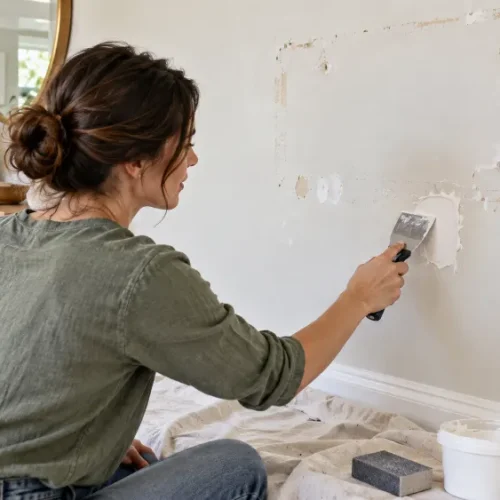
Water leaves evidence. It’s just not always obvious at first. A faint stain on the ceiling. Warped flooring near a wall. Paint that starts to bubble without a clear reason. These signs often appear far from the actual source of the leak, which makes them easy to misread.
Moisture travels. It follows framing and gravity. By the time it shows itself, it’s usually been present longer than expected. Calling for professional attention at this stage isn’t about fixing a cosmetic issue. It’s about stopping ongoing exposure that can weaken materials and invite mold.
Fixtures That Age Unevenly
When one faucet corrodes faster than others, or a toilet needs frequent internal repairs while the rest of the house seems fine, it’s worth paying attention. Uneven wear often signals inconsistent pressure or sediment moving through the system.
These patterns don’t show up on a single day. They reveal themselves over time. Noticing them requires stepping back and looking at how different parts of the house behave together, rather than treating each repair as an isolated event. The value of bringing in a professional isn’t just in fixing what’s broken. It’s in recognizing when normal wear is crossing into risk. Knowing when to make that call can save more than water. It can save the structure, the schedule, and the stress that comes with waiting too long.
FAQs
If banging, rattling, or whistling sounds happen consistently, it’s best to have a professional inspect the system for pressure or valve issues.
Not always, but ongoing or uneven pressure often signals leaks, buildup, or aging pipes that need evaluation.
If the drain keeps slowing down after repeated cleaning, it likely indicates deeper pipe buildup that requires professional tools.
Recurring sewer or musty odors can point to venting issues or trapped debris, which may lead to bigger sanitation concerns if ignored.
Yes. Even faint stains can signal hidden moisture, which may worsen and cause structural damage over time.
Temporary drops can happen, but persistent low pressure usually requires inspection to rule out internal pipe problems.
Homes, especially older ones, benefit from an inspection every 1–2 years to catch early signs of wear.
Inconsistent water pressure or sediment in the lines can cause certain fixtures to deteriorate faster than others.
Occasional use may help, but frequent reliance can damage pipes and mask a larger issue.
Minor issues can escalate into costly water damage, mold growth, or structural repairs if left untreated.