This post contains affiliate links. As an Amazon Associate, I earn from qualifying purchases, at no extra cost to you. See our disclosure policy.
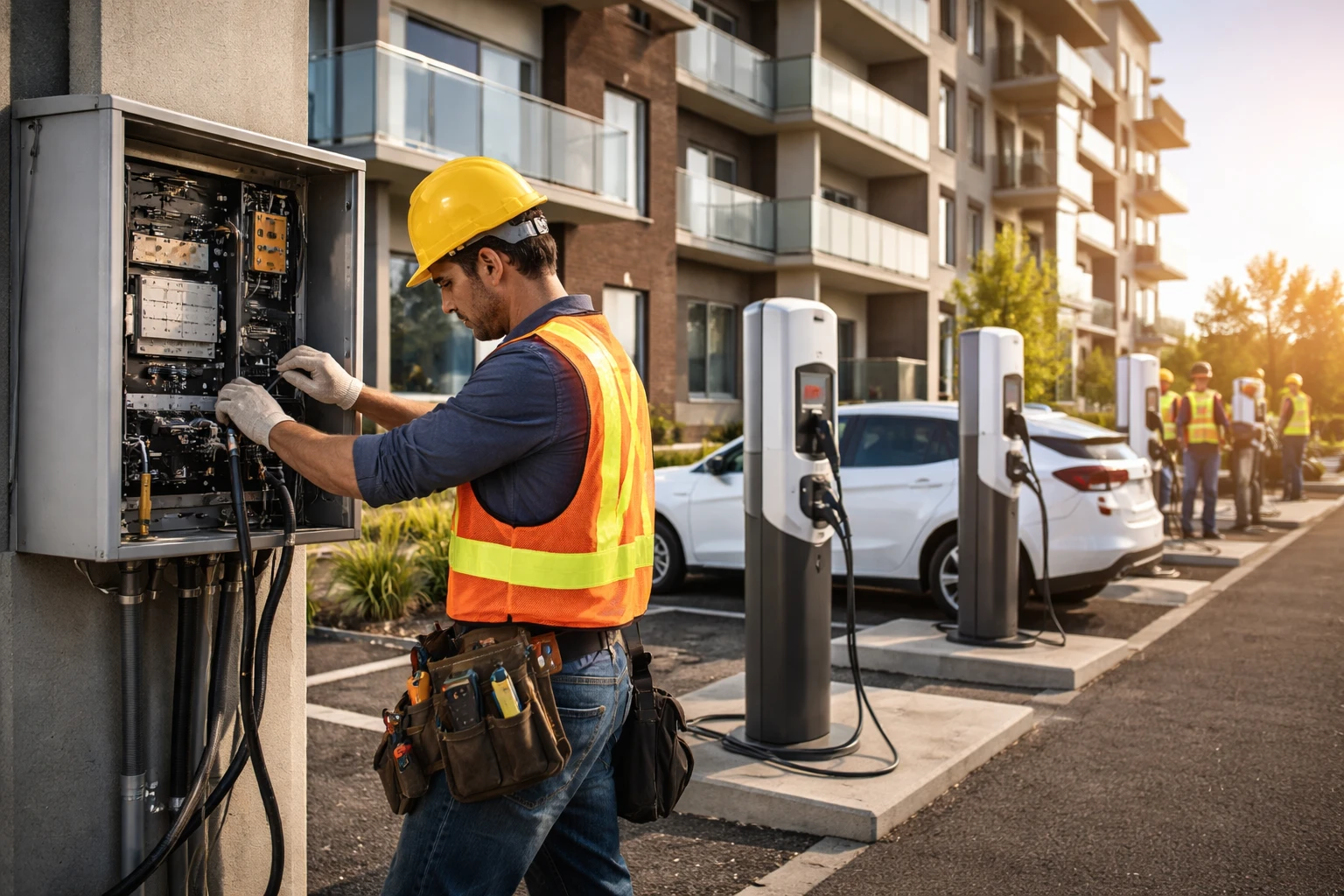
The rise of electric vehicles is undeniable. For developers and building owners, this shift represents a new necessity. Modern buildings require EV charging infrastructure. This is no longer a luxury feature. It is a core component of a property’s value and appeal.
A reliable electrical contractor who offers EV charging infrastructure for new buildings is the essential partner to make this integration seamless. They do more than install outlets. They provide a complete electrical blueprint for the future. This article explains the critical role these professionals play. It details how they transform a construction plan into an EV-ready asset.
The Role of the Contractor in Early Planning
A key contribution happens long before any wires are run. A skilled electrical contractor engages with the project team during the design phase. They assess the electrical load requirements for current and future charging needs. This foresight prevents costly upgrades after construction. They evaluate the main service panel capacity and the building’s power distribution layout. The contractor consults on the optimal placement for charging stations. They consider user access, parking layouts, and utility pathways. This early collaboration ensures the electrical backbone supports the added demand. It integrates EV charging into the core building systems. This proactive approach lays a foundation for efficiency and scalability.
Design and Implementation of a Robust System
The design phase translates plans into technical reality. A qualified contractor selects the appropriate charging equipment. They balance power levels, from standard Level 2 chargers to possible Direct Current fast-charging sites. The design includes dedicated circuits, proper conduit runs, and correct wire sizing. They plan for a neat and secure installation that meets all electrical codes. The system design also considers management software for access control and billing. The contractor coordinates with other trades to avoid conflicts. They ensure the installation aligns with the construction timeline. Their expertise turns a conceptual requirement into a safe, functional, and code-compliant installation.
Mastery of Codes and Permitting
Electrical work is governed by a web of local and national regulations. A reliable contractor navigates this complex landscape with ease. They possess current knowledge of the National Electrical Code and any local amendments. These codes specifically address EV charging installations. The contractor manages the entire permitting process. They prepare and submit the necessary technical drawings and documentation. They schedule and facilitate inspections with the local authority. This mastery avoids project delays and compliance failures. It guarantees the installation is legally sound and insurable. This expertise protects the building owner from liability and safety risks.
Future Proofing the Electrical Infrastructure
A building’s needs will evolve. A forward-thinking contractor installs infrastructure that accommodates growth. They might recommend a larger main service entrance than the immediate project requires. They install oversized conduits to allow for easier addition of wires later. The design could include spare capacity in the electrical panel. This planning makes it simple and affordable to add more chargers later. It avoids the extreme cost of retrofits. The contractor provides a clear roadmap for phased expansion. This future-proofing protects the owner’s investment. It ensures the building remains competitive as EV adoption accelerates.
Ongoing Support and Maintenance
The relationship with a good contractor extends past the installation. They offer crucial support for the long-term operation of the system. This includes routine maintenance checks to ensure safety and performance. They can provide monitoring services to track usage and identify faults. The contractor remains a resource for troubleshooting any technical issues. They can manage software updates for the charging network. If expansion is needed, they already understand the original system design. This ongoing partnership guarantees reliability for the building’s residents or tenants. It turns the charging infrastructure from a project into a dependable amenity.
Integrating EV charging infrastructure for new buildings is a smart decision. It requires specialized electrical expertise from the start. A reliable electrical contractor guides this process from initial concept to daily operation. Partnering with such a professional transforms a regulatory need into a valuable asset. It ensures a new building meets the demands of today and is ready for the transportation needs of tomorrow.
FAQs
EV charging is now a baseline expectation that increases property value, tenant appeal, and long-term competitiveness as electric vehicle adoption grows.
An electrical contractor should be involved during the design phase to assess load capacity, layout, and future expansion needs before construction begins.
Most new buildings install Level 2 chargers, though some projects plan for future DC fast charging depending on usage and power availability.
They apply current electrical codes, manage permits, prepare technical drawings, and coordinate inspections with local authorities.
Yes, when designed properly with spare capacity, oversized conduits, and scalable panels, additional chargers can be added affordably.
Load management systems balance power demand across chargers to prevent overloads and reduce utility upgrade costs.
Often they do, especially for larger installations, and a contractor determines whether the main service needs to be upgraded.
Installation timelines vary by project size but are most efficient when coordinated alongside other electrical and construction work.
A reliable electrical contractor manages the entire permitting and inspection process to avoid delays or compliance issues.
Routine inspections, software updates, and occasional troubleshooting help ensure long-term safety, reliability, and performance.