This post contains affiliate links. As an Amazon Associate, I earn from qualifying purchases, at no extra cost to you. See our disclosure policy.
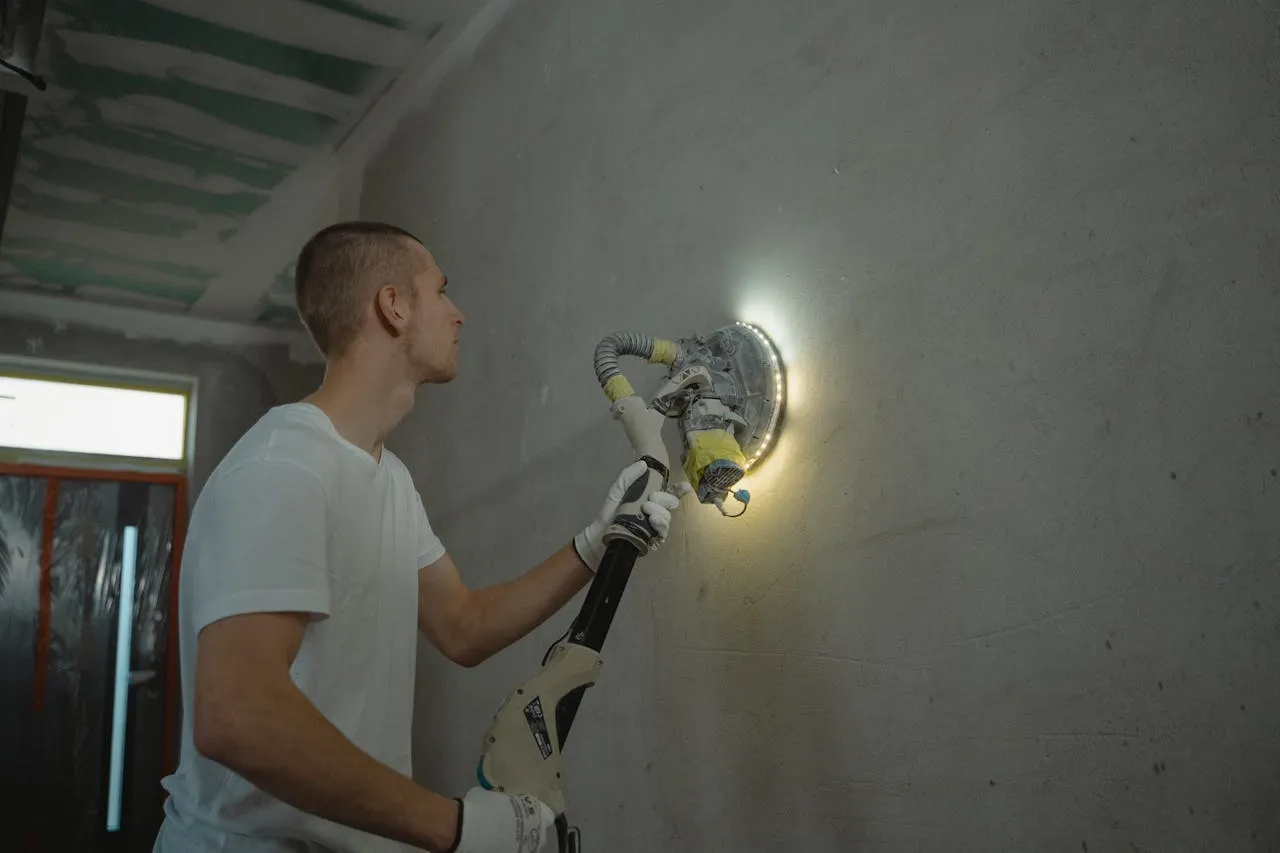
Across the construction and renovation industry, a clear shift is happening. Contractors who once viewed State RRP Lead Paint Certification as a minor formality are now rushing to get certified. This urgency is not driven by hype but by stricter enforcement, higher client expectations, and real financial consequences. With millions of homes built before 1978 still in use, lead paint regulations are no longer something contractors can afford to overlook.
Increased Enforcement is Putting Contractors Under Pressure.
One of the main reasons contractors are scrambling is the sharp rise in enforcement at the state level. Regulatory agencies are no longer relying solely on complaints; they are actively reviewing permits, inspecting job sites, and auditing renovation practices. Even small projects like window replacements, drywall repair, or interior painting can trigger compliance checks if the property is subject to RRP guidelines. Contractors who cannot immediately show proof of certification risk fines, stop-work orders, or even license issues.
What makes this especially stressful is that enforcement often happens mid-project. Contractors who delay certification may be forced to halt work while completing training, creating scheduling chaos and damaging client relationships. As word spreads through the industry about surprise inspections and costly penalties, more contractors are realizing that certification is no longer something to “get around to later.” It has become a baseline requirement for staying operational.
Client Expectations and Contracts are Rapidly Changing
Another major driver behind the scramble is the change in how clients evaluate contractors. Homeowners, landlords, and property managers are more informed about lead paint risks than ever before. Many now ask directly whether a contractor is RRP certified before signing a contract, especially when children or rental properties are involved. In some cases, certification is written directly into contracts, making it a non-negotiable condition of the job. This shift affects more than just residential work.
Government projects, school renovations, and multi-unit housing developments often require proof of certification upfront. Contractors without it are quietly excluded from bidding opportunities. As a result, certification is becoming a clear dividing line between contractors who continue to grow and those who slowly lose access to better-paying, lower-risk projects.
The Financial and Legal Risks of Non-Compliance are Too High to Ignore
Beyond lost jobs, the financial and legal exposure tied to non-compliance is pushing contractors to act quickly. Lead-related violations can result in fines that far exceed the cost of certification. Even more serious is the risk of liability claims if improper practices lead to exposure. Without proper certification and documentation, contractors have little protection if a dispute arises months or years later.
Certification also brings peace of mind. Contractors who understand lead-safe work practices reduce the chance of costly mistakes, callbacks, or legal disputes. Instead of worrying about inspections or paperwork gaps, they can focus on delivering quality work and growing their business. In an industry where margins are tight, avoiding preventable risk is just as important as winning new jobs.
Conclusion
The growing demand for State RRP Lead Paint Certification reflects a permanent shift in the contracting industry, not a temporary trend. With tighter enforcement, more informed clients, and real legal and financial consequences tied to non-compliance, contractors can no longer afford to wait.
Certification has become a core part of doing business responsibly and competitively. Contractors who act now protect their reputations, expand their job opportunities, and future-proof their businesses in a regulated market. If you’re ready to stay compliant and ahead of the curve, check out Lead Classes for trusted training and certification support.
FAQs
It is a required credential that allows contractors to legally perform renovation, repair, and painting work in buildings that may contain lead-based paint.
State agencies have increased proactive inspections and audits, rather than waiting for complaints, making compliance checks more frequent and unpredictable.
Even small jobs like window replacements, drywall repairs, or interior painting can trigger RRP rules if the structure was built before 1978.
Contractors may face fines, stop-work orders, or licensing issues, especially if they cannot show proof of certification on-site.
Yes, many informed homeowners and landlords request proof of certification before signing contracts, particularly for family or rental properties.
Many government, school, and multi-unit housing projects require certification upfront, and contractors without it are often excluded from bidding.
Yes, penalties can far exceed the cost of certification and may include additional legal fees or corrective work expenses.
While it does not eliminate all risk, certification provides documentation and proof of compliance that can significantly reduce liability exposure.
Most contractors can complete training and certification within a short timeframe, making delays largely unnecessary.
It helps contractors stay compliant, win better jobs, reduce legal risk, and operate confidently in a more regulated construction market.