This post contains affiliate links. As an Amazon Associate, I earn from qualifying purchases, at no extra cost to you. See our disclosure policy.
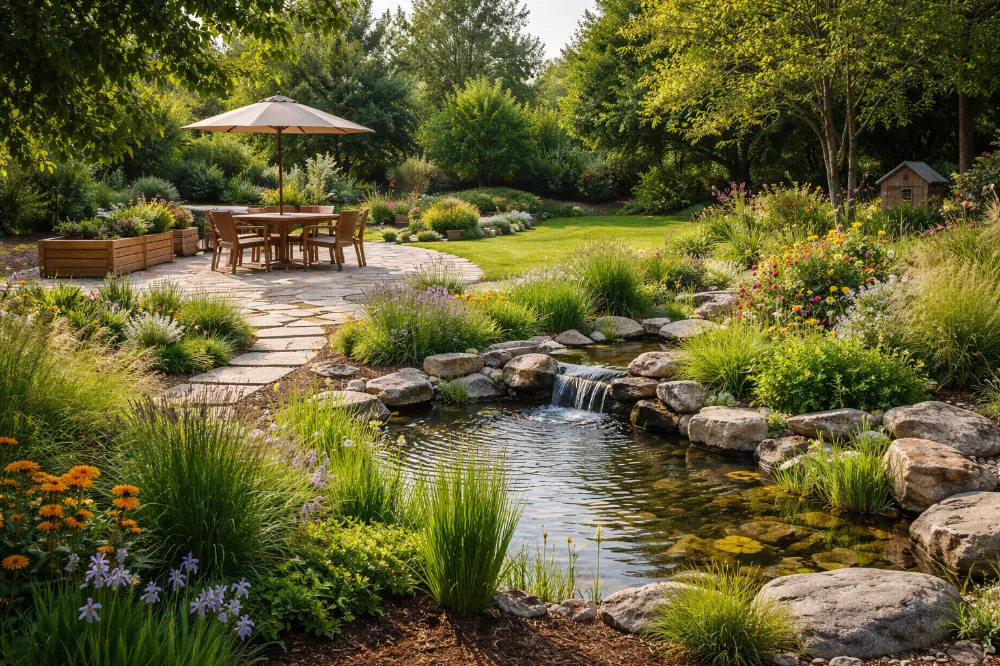
Outdoor spaces play an increasingly important role in how people experience their homes workplaces and communities. Well designed landscapes not only enhance visual appeal but also support wellbeing environmental responsibility and long term usability. As awareness of sustainability grows property owners are seeking landscaping approaches that combine beauty with practical ecological benefits.
Modern landscaping focuses on thoughtful planning material choice and ongoing care. By working with specialists such as Eden Horticultural Ltd clients can achieve outdoor environments that are visually striking while remaining environmentally responsible. Sustainable landscaping is no longer about compromise but about creating spaces that thrive naturally and require fewer resources over time.
Understanding Sustainable Landscaping
Sustainable landscaping is the practice of designing and maintaining outdoor spaces in a way that reduces environmental impact while supporting long term growth. It considers local climate soil conditions and biodiversity to ensure that landscapes remain healthy and resilient.
This approach prioritises:
- Efficient use of water
- Reduced chemical use
- Native and adaptive planting
- Soil health and structure
- Long term maintenance planning
By working with natural systems rather than against them sustainable landscapes are easier to manage and more rewarding to enjoy.
The Importance of Smart Landscape Design
A successful landscape begins with intelligent design. Smart planning ensures that outdoor spaces meet both functional and aesthetic goals while minimising waste and unnecessary maintenance. Every element from plant placement to surface materials plays a role in how the landscape performs over time.
Key design considerations include:
- Site assessment and soil analysis
- Sunlight and shade patterns
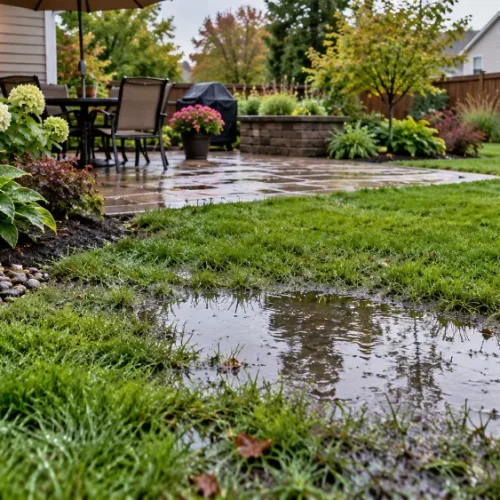
- Drainage and water flow
- Intended use of the space
- Long term growth of plants and trees
Thoughtful design reduces future issues and creates a balanced environment that evolves naturally.
Plant Selection for Lasting Beauty
Choosing the right plants is central to sustainable landscaping. Native and well adapted species are better suited to local conditions which means they require less water fertiliser and intervention. These plants are also more resistant to pests and diseases.
Benefits of smart plant selection include:
- Lower water consumption
- Reduced maintenance needs
- Improved biodiversity
- Stronger seasonal interest
- Healthier soil ecosystems
Mixing evergreen structure with seasonal planting ensures year round appeal while supporting wildlife such as pollinators and birds.
Water Wise Landscaping Solutions
Water management is a crucial aspect of sustainability. Landscapes that rely heavily on irrigation can be costly and environmentally damaging. Smart solutions focus on reducing water use while keeping plants healthy.
Effective water wise strategies include:
- Installing efficient irrigation systems
- Using mulching to retain moisture
- Selecting drought tolerant plants
- Improving soil structure to enhance absorption
- Designing planting zones based on water needs
These methods help conserve water while maintaining lush and attractive outdoor spaces.
Hard Landscaping with Purpose
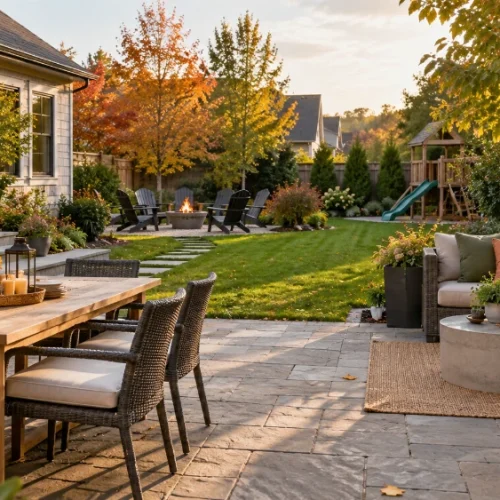
Hard landscaping elements such as paths patios and retaining features provide structure and usability. When designed thoughtfully they can also support sustainability goals. Material choice and layout play an important role in environmental impact.
Sustainable hard landscaping considerations include:
- Using permeable surfaces to aid drainage
- Selecting durable long lasting materials
- Incorporating recycled or locally sourced products
- Designing layouts that reduce runoff
Well integrated hard landscaping enhances both function and visual harmony within the overall design.
Supporting Biodiversity and Wildlife
Sustainable landscapes contribute to healthier ecosystems by supporting local wildlife. Even small gardens can provide valuable habitats when designed with biodiversity in mind.
Ways to encourage wildlife include:
- Planting a variety of flowering species
- Including shrubs and hedges for shelter
- Creating natural water features
- Avoiding excessive chemical treatments
These features enrich the landscape while fostering a deeper connection with nature.
Low Maintenance Does Not Mean Low Impact
One of the misconceptions about sustainable landscaping is that it lacks visual impact. In reality smart design often results in landscapes that look better over time with less effort. Reduced maintenance does not mean reduced quality but rather efficient management.
Low maintenance landscapes benefit from:
- Proper plant spacing and placement
- Healthy soil preparation
- Mulching and ground cover planting
- Clear long term maintenance planning
These elements reduce labour costs while keeping spaces attractive and functional.
Seasonal Care and Long Term Health
Sustainable landscapes still require care but the focus is on prevention rather than constant intervention. Seasonal maintenance helps plants establish and adapt while preserving overall balance.
Seasonal tasks may include:
- Pruning and plant health checks
- Soil conditioning and mulching
- Monitoring drainage and irrigation
- Replacing or relocating plants as needed
Regular but minimal care ensures long term success without excessive resource use.
Working with Professional Landscaping Specialists
Professional horticultural and landscaping specialists bring valuable expertise to sustainable projects. Their knowledge of plant behaviour materials and environmental practices ensures that landscapes are designed and maintained to a high standard.
Benefits of professional involvement include:
- Expert site assessment and planning
- Access to high quality materials and plants
- Skilled installation and aftercare
- Ongoing advice for landscape development
Partnering with experienced professionals ensures that sustainability and beauty work together seamlessly.
Enhancing Property Value and Wellbeing
Sustainable landscapes do more than improve appearance. They add real value to properties and positively impact wellbeing. Green spaces encourage outdoor activity relaxation and connection with nature.
Long term benefits include:
- Increased property appeal and value
- Improved environmental performance
- Reduced maintenance and running costs
- Enhanced enjoyment of outdoor spaces
These advantages make sustainable landscaping a smart investment for the future.
Conclusion
Smart solutions for sustainable and beautiful landscapes combine thoughtful design responsible practices and professional expertise. By focusing on long term health environmental balance and visual appeal outdoor spaces can thrive with minimal impact and maximum enjoyment.
With careful planning and expert support homeowners and property managers can create landscapes that are not only attractive today but resilient and rewarding for years to come.
FAQs
Sustainable landscaping designs outdoor spaces to reduce environmental impact while supporting long term plant health and usability.
It reduces water use, limits chemicals, and relies on plants suited to local conditions, lowering ongoing inputs.
Initial costs may vary, but long term savings come from lower maintenance, reduced water use, and fewer replacements.
Native and climate adapted plants perform best because they need less water, fertiliser, and intervention.
Yes, smart plant selection and design often create landscapes that mature beautifully over time.
Proper spacing, soil preparation, and drainage planning prevent common issues before they occur.
Efficient irrigation, mulching, and drought tolerant plants help conserve water while maintaining plant health.
They provide food, shelter, and habitats through diverse planting and reduced chemical use.
Professionals bring expertise in design, plant selection, and long term care, improving outcomes and durability.
Yes, well designed green spaces improve curb appeal, usability, and long term property performance.