Modern home construction prioritises materials that deliver strength, visual warmth, and long-term performance with minimal maintenance. Timber remains a favourite among designers who aim to combine structural reliability with natural character.
Among premium structural timbers, oak beams remain the preferred choice for contemporary homes, where movement control and visual stability are paramount. This article explores material stability, aesthetic influence, environmental value, installation benefits, and long-term performance in modern construction.
Dimensional Stability That Supports Precision Design
Air-dried timber develops its strength through a slow, natural moisture reduction that limits future movement within the structure. This steady process allows internal fibres to settle into a balanced form long before installation begins. Reduced moisture content lowers the risk of sudden shrinkage after placement.
Clean architectural lines rely on predictable material behaviour for lasting visual alignment. Joints retain tighter tolerances when structural timber remains stable across varied temperatures. Designers gain confidence when dimensional shifts remain controlled from the first day of settlement onward.
Visual Character That Complements Contemporary Spaces
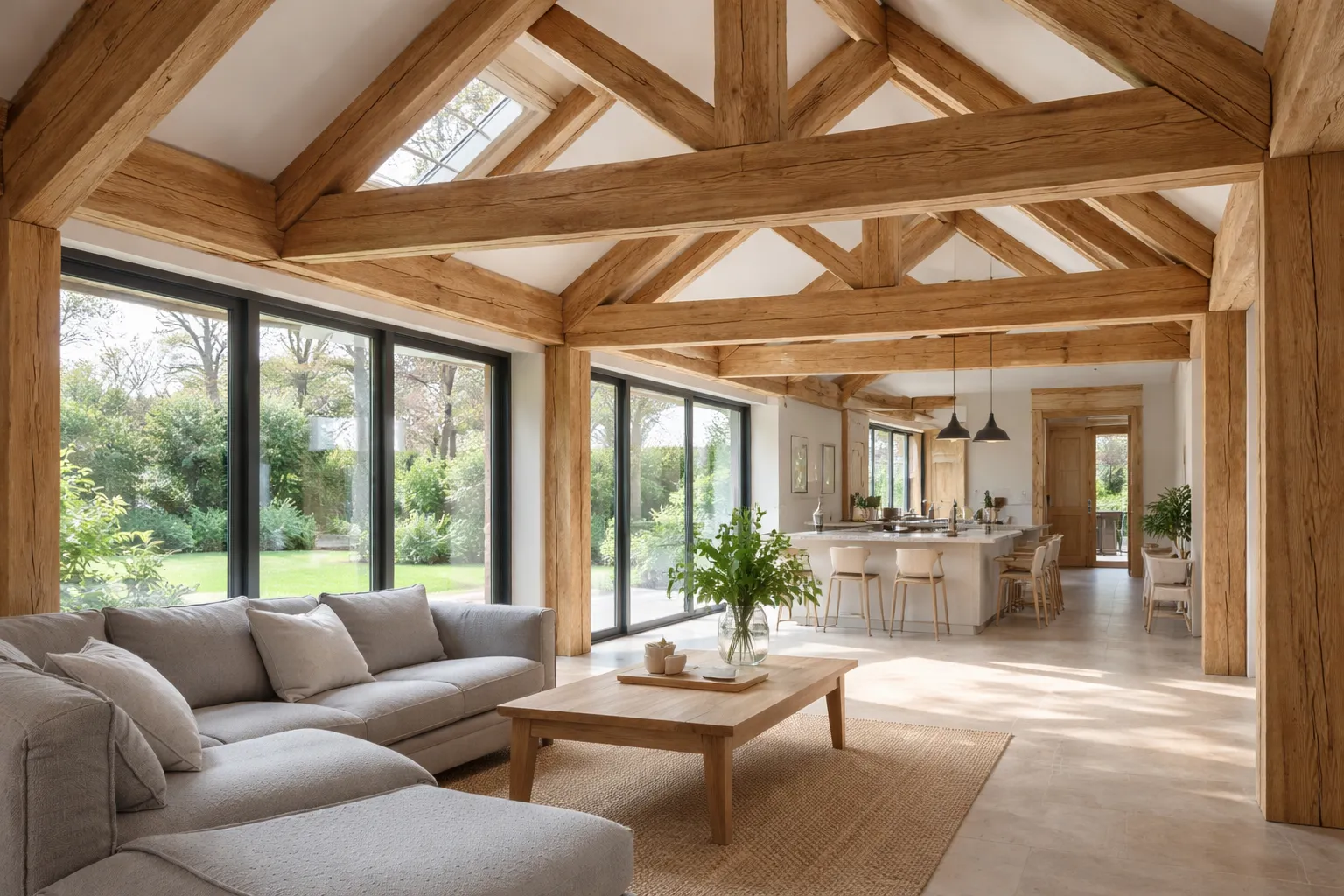
Natural surface variation adds texture that suits minimalist and statement-driven interior concepts. Subtle checking and organic grain traits deliver warmth without overpowering surrounding finishes. Pale neutral palettes pair well with soft timber tones that evolve.
Designers favour materials that mature gracefully rather than fading in appeal. Light interaction across natural wood surfaces adds depth without visual clutter. This balance of refinement and authenticity suits urban and rural modern homes alike.
Responsible Material Choice With Long-Term Environmental Value
Hardwood ranks among the most durable natural building options available for load-bearing roles. Prolonged service life lowers replacement demand and supports reduced material consumption over decades. Forest management standards help maintain ecological balance during harvesting cycles.
Slow seasoning avoids artificial heat processing that consumes excess energy during drying stages. Reduced processing aligns with construction strategies that prioritise low-impact building practices. Longevity paired with responsible sourcing gives modern projects measurable environmental credibility.
Installation Advantages That Streamline Construction Schedules
Drying under natural exposure provides reliable weight reduction and simplifies on-site handling. Reduced mass eases positioning during frame assembly without heavy mechanical support. Secure fastening benefits from predictable tolerances throughout joint placement. Internal moisture balance limits post-installation movement that can disturb glazing or finish elements.
Installation Outcomes That Contractors Value
- Faster structural alignment during assembly phases
- Fewer call-backs related to timber movement
- Improved fixing integrity across seasonal changes
- Time efficiency increases when post-fit adjustments remain minimal across interior and exterior frameworks.
Structural Reliability Across Long Service Spans
Hardwood density provides consistent load distribution within residential and mixed-use builds. Controlled seasoning enhances resistance to warping during early settlement phases. Moisture equilibrium improves resistance to fungal growth over extended exposure.
Protective treatments further strengthen long-term durability under weather fluctuations. Structural integrity remains intact under decades of consistent loading. Reliable performance reduces the need for secondary reinforcement in many modern layouts.
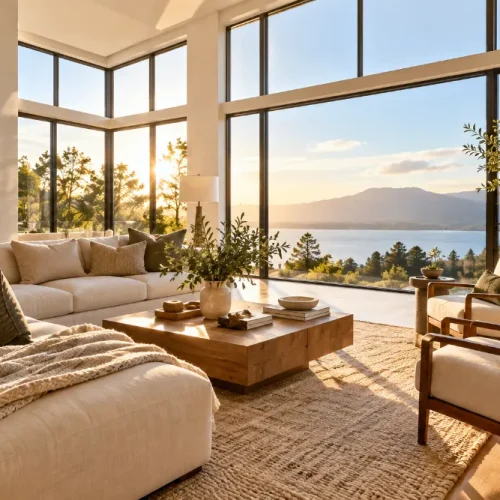
Design Compatibility With Glass and Open Interiors
Expansive glazing demands materials that exhibit limited reactive movement near rigid components. Seasoned timber adapts smoothly to thermal variation without stressing adjacent structural elements. Fine joinery benefits from reduced expansion once internal equilibrium stabilises.
Visual cohesion remains intact as glass expands and contracts with external temperature shifts. Architectural transparency depends on structural predictability at every junction. Balanced moisture content safeguards interior finishes and external framing details.
Conclusion
Material selection determines the balance between visual intent and engineering performance in residential construction. Stable timber contributes to clean lines, precise detailing, and reduced maintenance across extended service life. When builders seek controlled movement, refined texture, and dependable load performance, oak beams remain a trusted foundation for contemporary home construction. Their natural strength, paired with timeless visual appeal, allows modern homes to achieve architectural elegance and enduring structural integrity.