Railings play a bigger role in modern interiors than many people realize. They are not just safety features. They help define how a space feels, how open it looks, and how different areas connect visually. In contemporary homes, railing systems are often chosen as part of the overall design concept, not added as an afterthought.
Residential railing systems come in many forms. Some are minimal and almost disappear into the background, while others are bold and become a focal point. Stair railings, balcony railings, and mezzanine railings all serve slightly different purposes, but they follow the same basic rule. They need to be safe, durable, and visually consistent with the rest of the interior.
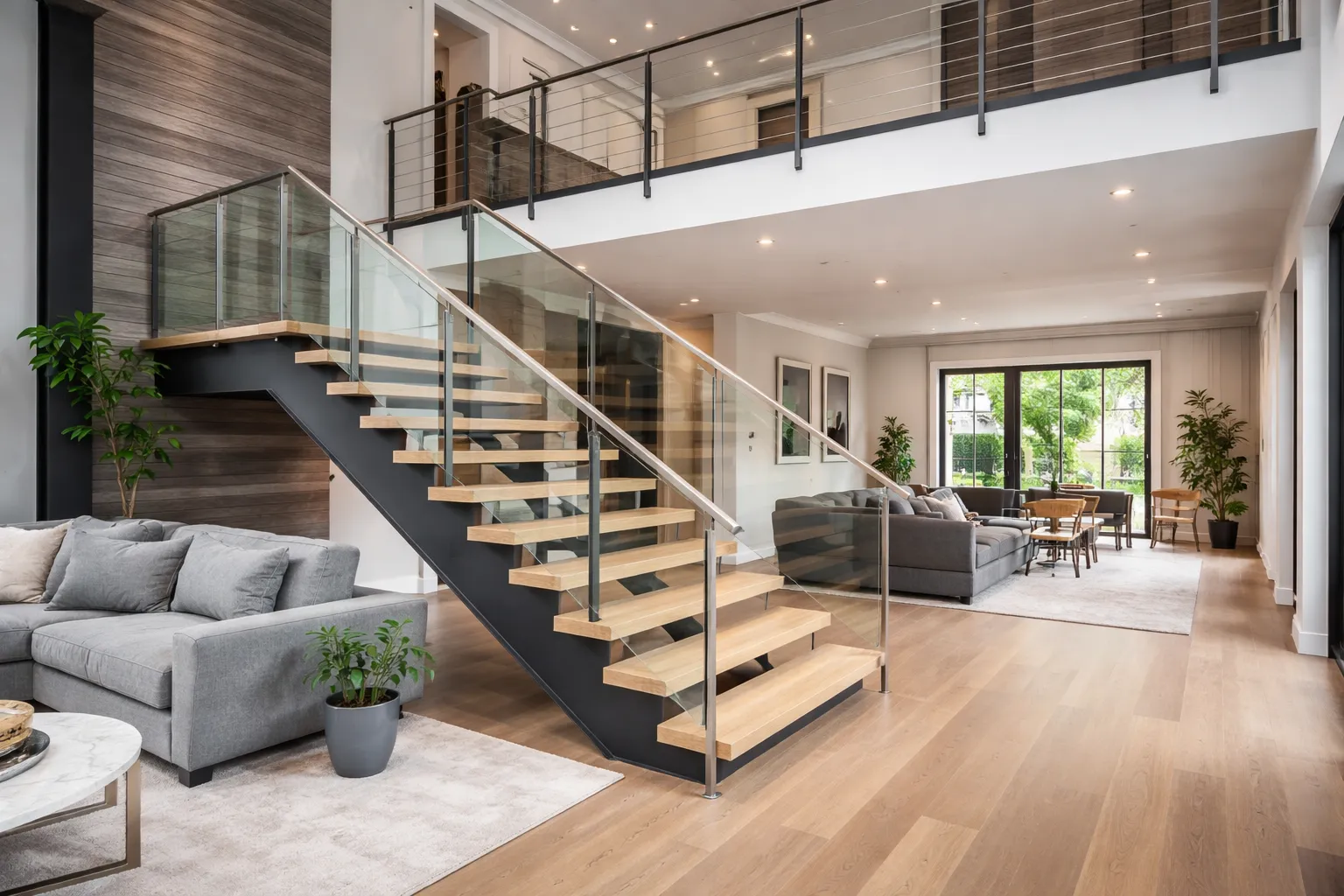
In homes that feature open layouts, high ceilings, or architectural elements like floating stair treads, the railing system becomes especially noticeable. In these cases, railings help balance openness with structure. When people research modern railing ideas, they may run into examples from Luxury Staircase Railings, mainly because modern railing systems are often shown as part of high-end interior design projects.
How Material Choice Affects Safety and Durability
Material choice is one of the most important decisions when selecting a railing system. Each material behaves differently over time and under daily use. Safety starts with strength. Railings must handle weight, movement, and repeated contact without loosening or bending.
Metal railings, including steel and aluminum, are known for strength and stability. They tend to last well in high-traffic areas and require minimal upkeep. Glass railings rely on thick, tempered panels that meet safety standards, offering strength while maintaining transparency. Wood railings feel warm and familiar, but they may need more maintenance, especially in homes with humidity changes.
Cable railings are another option often used in modern interiors. They offer a clean look but require precise installation to maintain tension and safety. Regardless of the style, durability depends on both material quality and how the system is installed.
Common factors that affect safety and durability include:
- Material thickness and grade
- Connection points and mounting method
- Resistance to wear, moisture, and temperature changes
- Ongoing maintenance needs
Choosing the right material helps ensure the railing remains secure and functional for years.
Visual Impact of Railings on Interior Design
From a design perspective, railings strongly influence how a space is perceived. A heavy, solid railing can make an area feel enclosed, while a lighter system can keep sightlines open. This is especially important in modern interiors that rely on natural light and visual flow.
Glass and cable railings often make rooms feel larger by allowing light to pass through. Metal railings with slim profiles can add structure without visual clutter. Wood railings introduce warmth and contrast, which can soften modern spaces that use a lot of concrete, glass, or metal.
The railing design also helps tie different elements together. Staircases, floors, walls, and lighting all interact with the railing visually. When chosen carefully, the railing system supports the overall style instead of competing with it. In modern interiors, the best railing systems feel intentional, balanced, and integrated into the space rather than simply installed for code compliance.
FAQs
Common options include metal, glass, wood, and cable railings, each offering different levels of visibility, durability, and style.
All materials can be safe when properly engineered and installed, but metal and tempered glass are often chosen for their strength and reliability.
Yes, when made from tempered or laminated glass and installed to code, glass railings are designed to withstand impact and daily use.
Wood railings typically need more upkeep, such as sealing or refinishing, especially in environments with humidity or temperature changes.
Cable railings use horizontal or vertical steel cables, creating a clean, modern look while maintaining open sightlines.
Railings influence light flow, openness, and visual balance, making them an important design element rather than just a safety feature.
Yes, metal railings with slim profiles are popular in modern homes because they provide structure without overwhelming the space.
Most railing systems can be customized in materials, finishes, and layouts to align with modern, traditional, or transitional interiors.
Durability depends on material quality, installation method, environmental exposure, and ongoing maintenance.
Yes, choosing railings early helps ensure they integrate seamlessly with staircases, flooring, and the overall architectural design.