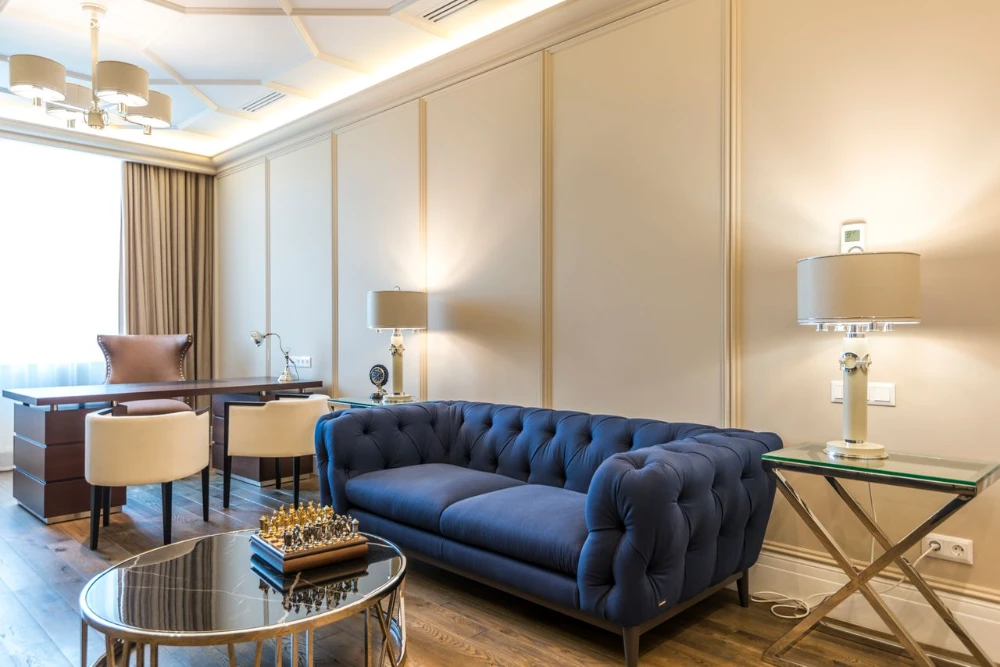
Choosing the right sofas for office environments is rarely as simple as picking something comfortable and calling it done. A reception area, break room, or executive lounge says something about a company before a single word is exchanged with a visitor. Get the seating wrong, and even a well-designed office can feel disjointed or unwelcoming.
This guide walks through what actually matters when shopping for sofas for office use — from material selection to layout planning — so you can make a confident decision rather than a rushed one.
Why Office Sofa Selection Matters
Seating in shared office spaces gets used constantly, and often by people who aren’t especially careful with it. Clients drop bags on cushions, employees eat lunch on them, and delivery staff might lean against an armrest while waiting at reception. That level of wear means residential furniture rarely holds up.
Beyond durability, seating also shapes how a space is used. A poorly chosen sofa can make a waiting area feel cramped or a breakout room feel sterile. The right piece does the opposite — it invites people to sit, relax, and stay a little longer, which matters whether you’re hosting a client or giving staff somewhere to decompress between meetings.
Types of Office Sofas
Not every business needs the same seating solution. A few common categories:
- Two- and three-seater sofas Standard for reception desks and small meeting corners.
- Modular sofas Sectional pieces that can be rearranged as a team or floor plan grows.
- Sofa and armchair sets Useful for lounges that need a mix of individual and group seating.
- Loveseats Compact options for tight entryways or executive offices.
Among these, modular systems have become particularly popular for growing companies, since a piece like the Teddy Modular Fabric Sofa can be reconfigured without needing to replace the entire set.
Benefits of Investing in Quality Office Seating
Spending more upfront on commercial-grade seating tends to pay off in a few concrete ways:
- Lower replacement costs — Commercial frames and fabrics are built for daily use, so they last years longer than home furniture.
- Better first impressions — Visitors form opinions about a company within seconds of walking in.
- Improved employee comfort — Break areas with proper seating give staff a real place to recover during the day, not just a chair pulled from a desk.
- Flexible space planning — Modular pieces adapt as teams grow or offices get reconfigured.
Buying Guide: What to Look For
A few factors separate a sofa that lasts from one that needs replacing within two years.
Frame construction. Solid wood or reinforced steel frames handle repeated use far better than particleboard.
Upholstery grade. Commercial fabric is rated by rub count (abrasion resistance). Anything under 15,000 double rubs is generally too light for office traffic.
Foam density. High-density foam holds its shape after months of daily sitting, while cheaper foam flattens quickly.
Fire and safety certifications. Many commercial spaces require fire-retardant foam by code, so check local regulations before ordering.
Modularity. If your floor plan might change, modular office sofas save money down the line compared to fixed-configuration pieces.
| Feature | Budget Sofa | Commercial-Grade Sofa |
| Frame | Particleboard | Solid wood/steel |
| Fabric durability | Low (under 10,000 rubs) | High (15,000+ rubs) |
| Warranty | Limited or none | Multi-year commercial warranty |
| Reconfigurable | Rarely | Often (modular options) |
Common Mistakes to Avoid
Even experienced buyers run into the same few issues:
- Measuring the space but not the doorways. A sofa that fits the room may not fit through the entrance.
- Choosing fabric based on looks alone. A beautiful fabric that stains easily becomes a maintenance headache within months.
- Ignoring lead times. Custom upholstery orders can take weeks; plan ahead if you’re working around an office opening date.
- Buying single, fixed pieces for spaces that will grow. This often means a full replacement later instead of simply adding sections.
Expert Tips for Layout and Longevity
Placement matters as much as the sofa itself. Keep at least 30 inches of walking space around seating areas so traffic flow isn’t disrupted. In reception areas, angle sofas slightly toward the entry point rather than facing it directly — it reads as more inviting and less like a waiting room.
For maintenance, rotate cushions every few months to distribute wear evenly, and choose removable, washable covers where possible. This single decision can extend a sofa’s usable life by years.
Featured Product: Teddy Modular Fabric Sofa
For offices that want comfort without sacrificing flexibility, the Teddy Modular Fabric Sofa is worth a close look. Its modular sections allow it to be arranged as a traditional sofa, an L-shaped lounge configuration, or split into separate seating for smaller waiting areas. The soft, textured fabric gives it a residential warmth that still holds up under commercial use, making it a strong fit for reception areas, breakout rooms, and executive lounges alike.
Because the sections can be rearranged independently, the Teddy Modular Fabric Sofa also suits offices that anticipate layout changes as their team grows — a practical advantage over fixed-frame alternatives.
Why Choose Meetco Furniture
Sourcing office furniture at scale requires more than a good catalog. Meetco Furniture works with architects, interior designers, and procurement teams to supply commercial-grade seating that’s built for daily business use rather than occasional home use. From material selection to order fulfillment, the focus stays on furniture that holds up under real office conditions — not just showroom conditions.
FAQs
Commercial sofas use higher-density foam, tougher frames, and fabrics rated for heavier daily use, while residential sofas are built for occasional, lighter use.
A well-built commercial sofa typically lasts 7–10 years with proper maintenance, compared to 3–5 years for residential-grade furniture in a commercial setting.
For offices that expect to change layouts or grow, yes — modular pieces avoid the cost of full replacement later.
Performance fabrics with a high rub count and stain resistance tend to perform best in shared or high-traffic spaces.
Many commercial buildings require fire-retardant foam by local code, so it’s worth confirming before ordering.
Modular options like sectional sofas can typically be rearranged, while fixed-frame sofas cannot.
Measure the available floor space, account for walking clearance of at least 30 inches, and consider doorway width for delivery.
Conclusion
Choosing sofas for office spaces comes down to balancing durability, comfort, and how well the piece fits both the room and the way people actually use it. Commercial-grade materials, thoughtful placement, and a bit of flexibility through modular design go a long way toward furniture that still looks and feels right years after installation.