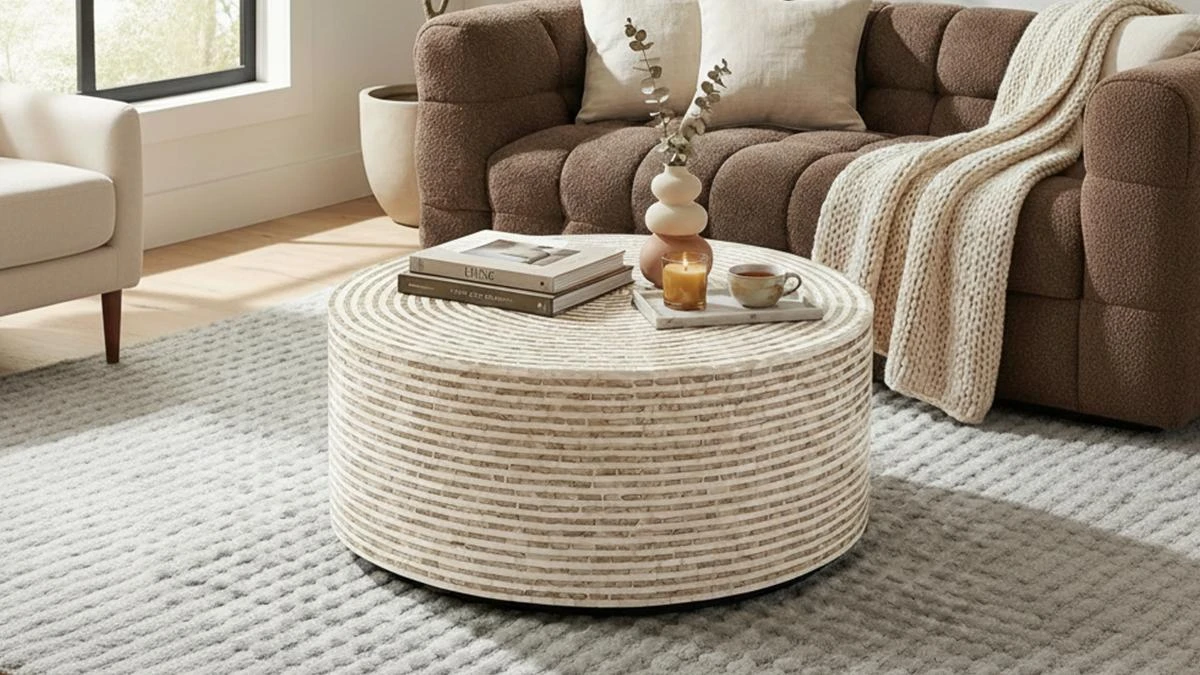
Picking a coffee table that doesn’t suit your space or lifestyle can create frustration instead of comfort. It is not just about appearance; it is about functionality and how well it complements daily life. The ideal coffee table balances style, practicality and everyday usability, fitting seamlessly into your home. This guide explores the modern coffee tables for Australian homes that work best and what you should know before making a purchase.
Round Coffee Tables: The Flow Makers
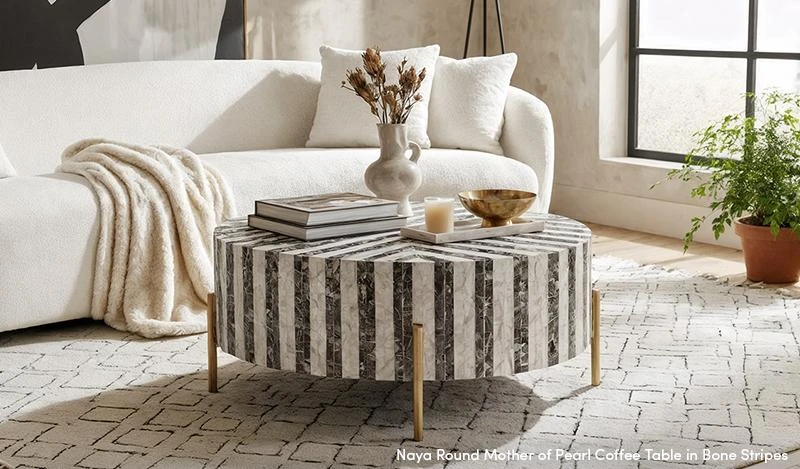
Round coffee tables are increasingly popular in Australian homes because they combine safety, style and functionality. Their smooth edges make them safer for kids and pets, while also allowing easier movement in compact spaces. Round tables promote natural conversation and soften the lines of more angular furniture, creating a relaxed atmosphere.
While visually appealing, round tables may feel smaller in terms of usable edge space. A 90cm round table, for instance, does not have corners, which reduces the surface area available for multiple items compared to a rectangular table of the same diameter.
They work especially well in smaller apartments, family living rooms or homes with Scandinavian-inspired décor. They are perfect for those who entertain regularly or want to add a sense of flow to their living space.
Top materials include timber such as oak or teak, marble or sintered stone and glass with a solid base.
Marble Coffee Table Designs: Luxury With a Lifestyle Cost
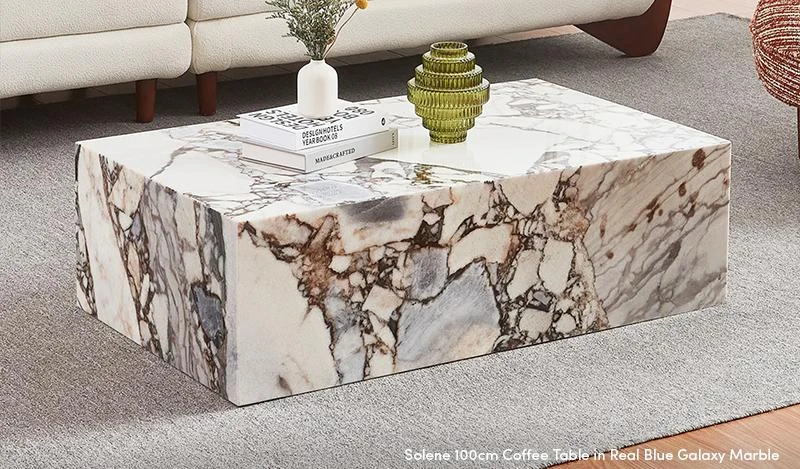
Marble coffee tables exude elegance and luxury, with unique veining and a substantial feel that few other materials can match. Carrara and Calacatta marble tables are visually striking but require careful upkeep, as the surface is prone to staining, scratching and etching. Even a red wine spill or a hot mug can leave permanent marks, so regular sealing and maintenance are essential. For those looking for inspiration, there are plenty of marble coffee table designs that show how to combine luxury with everyday practicality in Australian homes.
Sintered stone or engineered porcelain offers a marble-like look without the high-maintenance issues, resisting heat, stains and scratches. These modern coffee tables for Australian homes offer luxury without the maintenance headache.
| Feature | Real Marble | Sintered Stone / Porcelain |
| Appearance | Luxurious, unique veining | Realistic marble look |
| Maintenance | High | Low |
| Durability | Susceptible to stains and scratches | Resistant to everyday use |
| Cost | $1,800–$3,500 | $450–$650 |
| Best use | Formal entertaining | Daily family life, kids, pets |
Wooden Coffee Tables: The Australian Classic
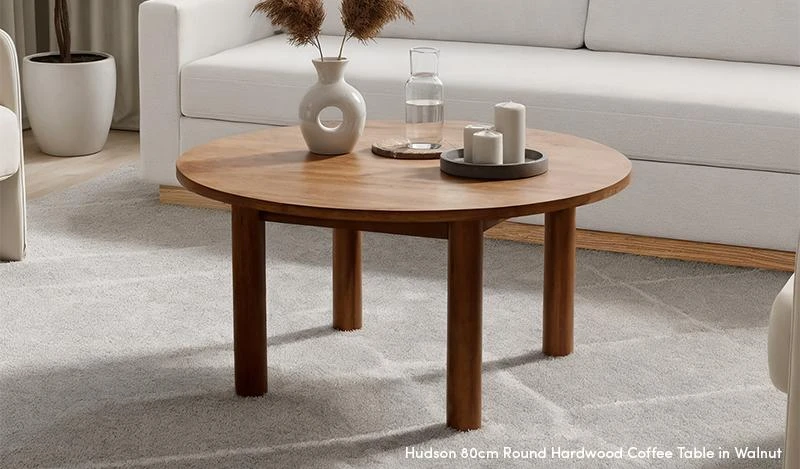
Wooden coffee tables are a classic choice, adding natural warmth, style and longevity to any living space. Light timbers such as oak suit coastal or Scandinavian-style interiors, while walnut adds a deep, refined character. Teak is ideal for humid climates such as Queensland and reclaimed or burl wood adds artisanal character to any modern space. Mango wood offers a budget-friendly option with interesting grain patterns.
Wood is highly adaptable, which is why many homeowners choose timber coffee tables, offering both aesthetic charm and practical benefits for Australian living spaces.
Glass Coffee Tables: The Space Illusion
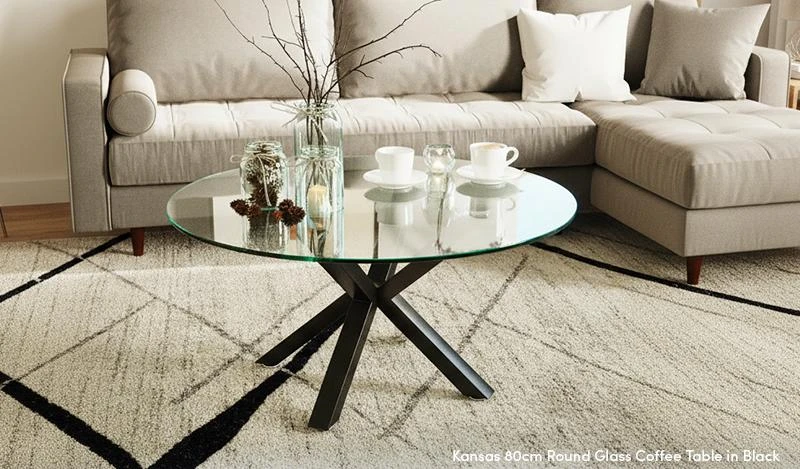
Glass tables create a sense of openness, letting light pass through and showcasing the floor or rug below. They are perfect for small apartments and minimalist interiors. The main downside is maintenance, as glass surfaces show fingerprints and smudges easily.
Choose tempered glass for durability or tinted varieties to hide fingerprints and pair with rugs or cushions to soften the look.
Nesting, Storage and Statement Tables
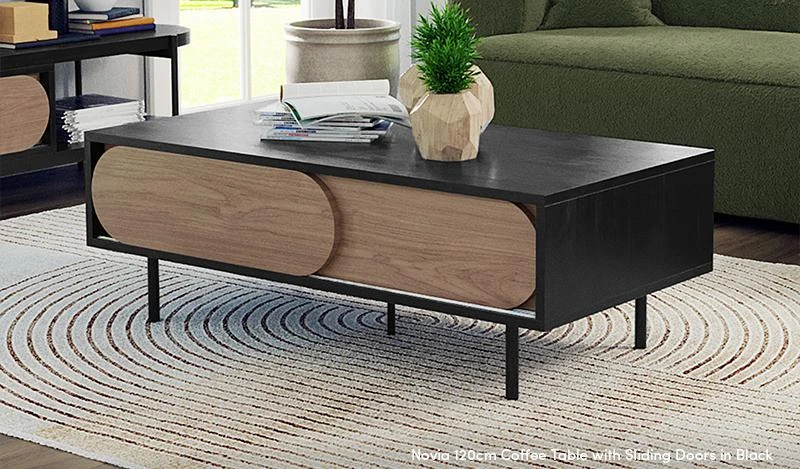
Nesting tables provide adaptability, storage tables offer hidden functionality and sculptural statement tables act as bold focal points. The best table style depends on your room size, daily habits and the overall design you want to achieve.
Coffee Table Style Comparison for Australian Homes
| Style | Best For | Pros | Cons |
| Round | Families, small apartments, entertaining | Safe, encourages flow, softens angular spaces | Less usable edge space |
| Marble | Formal entertaining | Luxurious, elegant | High maintenance, fragile |
| Timber | All interiors | Warm, versatile, durable | Some timbers dent, needs sealing |
| Glass | Small spaces, minimalism | Creates openness, showcases rugs | Shows fingerprints, requires cleaning |
| Nesting | Flexible living spaces | Adaptable, space-saving | Needs careful styling |
| Storage | Small apartments | Hidden storage, practical | Bulkier, lift-tops need clearance |
| Sculptural / Statement | Minimalist or modern | Eye-catching, focal point | Can overwhelm busy interiors |
Before You Buy: Quick Checklist
- Check your sofa size—your coffee table should generally take up about two-thirds of its length
- Check seat height; table should be 2–5 cm below sofa seat
- Factor in your daily routine, including kids, pets and how frequently the table will be used
- Know your cleaning tolerance; marble and glass require more attention
- Ensure the table fits through doorways and access points
The Bottom Line
The ideal coffee table blends beauty with functionality. Round tables provide flow and safety, marble tables offer luxury but demand care, timber brings warmth and versatility and glass creates space but requires upkeep.
Choose a coffee table that fits your lifestyle and daily use. A stunning table you constantly worry about is not the right choice. The perfect table looks great, lives hard and enhances your living space.
FAQs
A coffee table should typically be about two-thirds the length of your sofa to maintain proper balance and proportion.
It should sit around 2–5 cm below your sofa seat height for comfortable reach and visual harmony.
Yes, round tables improve flow and reduce sharp edges, making them ideal for compact rooms and homes with kids or pets.
Marble looks luxurious but requires regular maintenance and care, making it less ideal for busy households.
Sintered stone or engineered porcelain offers a similar look with better resistance to stains, heat, and scratches.
Timber tables are durable, versatile, and bring natural warmth that suits a wide range of interior styles.
Yes, glass allows light to pass through, creating a more open and spacious feel, especially in smaller rooms.
Nesting tables provide flexibility, allowing you to expand surface space when needed and save space when not in use.
They are great for small homes as they offer hidden storage, though they can be bulkier than standard designs.
Think about your space, lifestyle, maintenance preferences, and how often the table will be used daily.