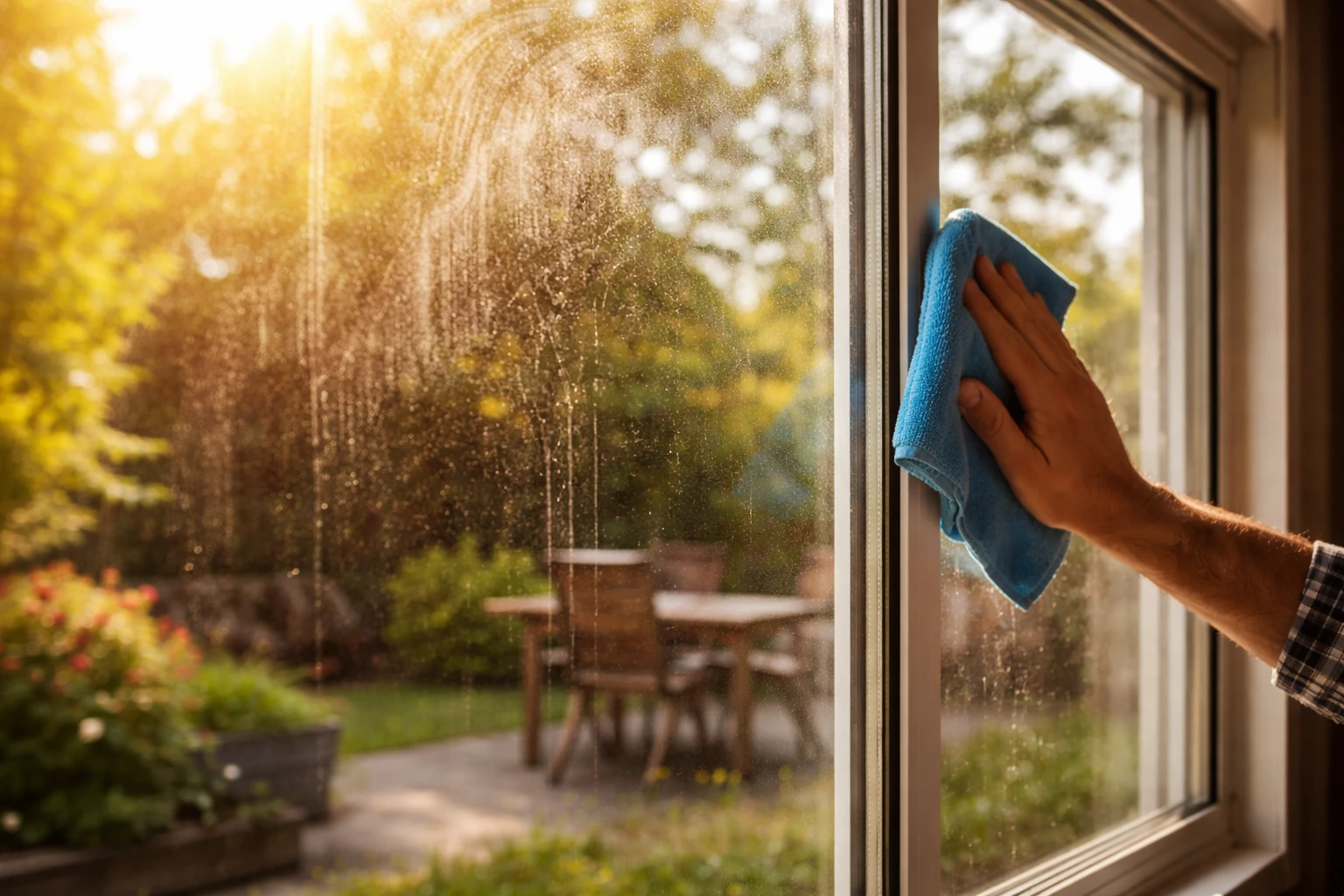
You wipe your windows. They look fine. Clean enough. Then the sun comes out—and suddenly every streak, smudge, and speck is screaming for attention. That’s because sunlight makes dirty windows impossible to ignore, even when they seemed spotless just hours before. It’s frustrating, but it’s not random. There’s a real reason behind it.
I’ve seen this happen over and over. A homeowner spends time cleaning glass, steps back feeling satisfied, and then—boom—the morning sun hits at just the right angle. Every imperfection shows up like it was highlighted on purpose. That’s often when people start searching for top rated exterior window cleaning services because they assume they did something wrong.
But here’s the truth: it’s not just about cleaning. It’s about light.
Let’s break it down. Why does this happen? Why does sunlight expose what cloudy days hide? And more importantly—what can you actually do about it?
The Science Behind Why Sunlight Reveals Dirt
Light and Glass: What’s Supposed to Happen
Clean glass is almost invisible. That’s the goal. When light hits a clean window, most of it passes through without distortion. Some reflects, sure—but it’s minimal and even.
Now introduce dirt.
Dust. Oils. Residue. Suddenly the surface isn’t smooth anymore. Light doesn’t pass through cleanly. It scatters. It bends. And it reflects unevenly.
That’s where the problem starts.
Dirt Changes Everything
When grime builds up—even in thin layers—it creates microscopic bumps and textures on the glass. You can’t see them in soft lighting. But under direct sunlight?
They stand out instantly.
Here’s what happens:
- Light hits uneven surfaces and scatters in multiple directions
- Smudges create glare patterns
- Residue forms visible streak lines
- Dust layers create a hazy film
That’s why sunlight makes dirty windows so obvious. It’s not just brighter—it’s more revealing.
Direct vs. Diffused Light
Not all light behaves the same. This matters.
| Lighting Type | Effect on Windows |
| Direct sunlight | Highlights streaks and dirt sharply |
| Diffused (cloudy) | Softens imperfections |
| Indoor lighting | Minimizes contrast |
Cloudy days are forgiving. Sunlight is not.
Why Timing Matters More Than You Think
Not all sunlight is equal. The angle changes everything.
Morning Light: The Harsh Truth
Early sunlight hits at a low angle. It stretches across your windows instead of hitting them straight on.
That’s when things get real.
- East-facing windows look worst in the morning
- Streaks cast tiny shadows
- Fingerprints become glaringly obvious
If you’ve ever thought your windows looked worse at breakfast than at noon—this is why.
Afternoon and Evening Light
Now flip the house.
West-facing windows take the hit later in the day. As the sun lowers again, the same effect returns.
But there’s a twist.
Evening sunlight tends to be warmer and more intense in color, which can actually make buildup look heavier than it is. That golden glow? It’s not helping your glass.
Midday: The Illusion of Clean
At noon, the sun sits higher. Light hits windows more directly, not at an angle.
Result?
- Fewer shadows
- Less contrast
- Dirt becomes less noticeable
This is why people think their windows are clean… until morning or evening proves otherwise.
And again—this is exactly why sunlight makes dirty windows seem unpredictable. It’s all about angle.
The Types of Dirt Sunlight Loves to Expose
Not all grime is created equal. Some types are practically invisible—until sunlight hits.
1. Dust and Fine Particles
You won’t see dust in dim light. But in direct sun?
It creates a cloudy film across the glass.
2. Smudges and Fingerprints
These are the worst offenders.
Skin oils react strongly with light. They reflect unevenly and create patterns that stand out immediately.
3. Water Spots
Rain. Sprinklers. Hard water.
When droplets dry, they leave mineral traces behind. These show up as rings or spots under sunlight.
4. Cleaning Residue
Ironically, cleaning can make things worse.
Using too much solution or not wiping properly leaves behind a thin film. You won’t notice it until sunlight reveals streaks across the entire pane.
Here’s a quick breakdown:
| Dirt Type | Visibility in Sunlight | Common Source |
| Dust | Medium–High | Airborne particles |
| Fingerprints | High | Touching glass |
| Water spots | High | Rain / sprinklers |
| Cleaning streaks | Very High | Poor technique |
This is where people get caught off guard. They think they cleaned well—but sunlight makes dirty windows look worse than before.
Why Cloudy Days Trick You
Cloud cover acts like a filter.
Instead of harsh beams, you get soft, diffused light. It spreads evenly across surfaces, reducing contrast.
What does that mean for your windows?
- Dirt blends in
- Streaks don’t cast shadows
- Smudges lose definition
So your windows look… fine.
Until the clouds clear.
This is why many homeowners underestimate how dirty their windows actually are. And then, when the sun comes out, it feels like everything got worse overnight.
It didn’t. You’re just seeing it clearly now.
Big Windows, Bigger Problems
Modern homes love glass. Large panes. Sliding doors. Floor-to-ceiling designs.
They look amazing. But they come with a trade-off.
More Glass = More Visibility
The larger the surface area, the more opportunity for:
- Light to hit at different angles
- Dirt to accumulate
- Imperfections to stand out
Direct Sunlight Exposure
Homes with large windows tend to let in more natural light. That’s great for brightness. Not so great for hiding dirt.
Glass Doors and Open Layouts
Sliding doors and open-concept homes amplify the issue.
Why?
Because you’re seeing the same window from multiple angles. And when sunlight makes dirty windows visible from one angle, it often reveals even more from another.
Inside vs. Outside: Where the Dirt Lives
You might assume the outside is worse. Not always.
Exterior Dirt
- Pollen
- Pollution
- Rain residue
- Dust buildup
This layer becomes visible when sunlight hits from outside.
Interior Dirt
- Fingerprints
- Pet nose marks
- Cleaning streaks
These show up when sunlight passes through the glass.
The Double Effect
Sometimes both sides are dirty.
That’s when visibility doubles. Light passes through multiple layers of grime, making the problem look worse than it actually is.
And again, this is where sunlight makes dirty windows feel unforgiving.
Cleaning Mistakes That Make It Worse
Let’s be honest. Most people are cleaning windows at the wrong time and in the wrong way.
Here are the biggest mistakes:
- Cleaning in direct sunlight
- Using too much solution
- Not drying properly
- Using low-quality cloths
- Skipping final buffing
Why Cleaning in Sunlight Backfires
This one matters.
When you clean in direct sunlight:
- Solution dries too fast
- Streaks form before you can wipe
- Residue gets left behind
So even though you cleaned… it looks worse later.
Practical Tips That Actually Work
You don’t need complicated tools. Just better timing and technique.
Best Time to Clean
- Early morning (before sun hits directly)
- Late afternoon (after peak sunlight)
Better Tools, Better Results
- Microfiber cloths
- Squeegees
- Streak-free cleaning solution
Simple Process That Works
- Spray lightly (don’t soak)
- Wipe evenly
- Use a squeegee for large panes
- Buff dry with microfiber
Quick Checklist
- Avoid direct sunlight
- Work in small sections
- Use clean cloths only
- Always finish with a dry buff
Follow this, and you’ll notice a difference immediately.
How Often Should You Clean Your Windows?
It depends. But here’s a practical guide:
| Area Type | Recommended Frequency |
| Interior windows | Every 1–2 months |
| Exterior windows | Every 2–3 months |
| High-traffic areas | Monthly |
If your home gets a lot of sunlight, you may need to clean more often. Why?
Because sunlight makes dirty windows show up faster.
Why Clean Windows Matter More in Sunlit Homes
Natural light is a feature. It makes spaces feel bigger, brighter, more inviting.
But dirty windows ruin that effect.
Clean Glass Improves:
- Light quality
- Room appearance
- Overall comfort
Especially Important For:
- Large windows
- Glass doors
- Scenic views
If your home relies on natural light, window cleanliness isn’t optional—it’s part of the experience.
And once again, this is where sunlight makes dirty windows impossible to ignore.
Final Thoughts
It’s not your imagination. It’s not bad luck either.
There’s a reason your windows look worse when the sun comes out. Light angle. Surface texture. Reflection. It all works together to reveal what softer lighting hides.
That’s why sunlight makes dirty windows so noticeable—especially in the morning and evening when light hits at just the right angle.
But here’s the good news.
Once you understand why it happens, you can control it.
Clean at the right time. Use the right tools. Pay attention to technique. And suddenly, those streaks and smudges won’t catch you off guard anymore.
Because when the sun hits next time—you’ll be ready for it.
FAQs
Because sunlight reveals imperfections, sunlight makes dirty windows more visible by highlighting streaks and residue.
Morning and evening are the worst because low-angle sunlight exposes smudges and streaks.
Streaks usually come from leftover cleaning solution or wiping too quickly, especially in direct sunlight.
Yes, diffused light reduces contrast, making dirt and smudges much harder to see.
Yes, larger glass surfaces catch more sunlight, making dirt and imperfections more noticeable.
Fingerprints, water spots, and cleaning residue are the most noticeable under direct sunlight.
No, cleaning in direct sunlight can cause streaks because the solution dries too quickly.
Most homes benefit from cleaning interior windows every 1–2 months and exterior windows every 2–3 months.
Yes, dirt on either side can become visible when sunlight passes through the glass.
Use a microfiber cloth, minimal cleaning solution, and always finish with a dry buff.