A garage door is one of the hardest-working systems in a home. It opens and closes hundreds, sometimes thousands, of times per year, yet it is often overlooked until something goes wrong. Regular maintenance is essential not only for smooth operation but also for safety, energy efficiency, and long-term cost savings.
With a simple routine, you can extend the life of your garage door, reduce repair bills, and prevent unexpected breakdowns. Below is a complete guide on how to properly maintain a garage door.
Why Garage Door Maintenance Matters
Garage doors are heavy mechanical systems made up of springs, cables, rollers, tracks, and an opener system. Because of this complexity, wear and tear is unavoidable over time.
Without regular maintenance, small issues like loose hardware or dry rollers can turn into major problems such as broken springs or misaligned tracks. These failures can be expensive to fix and potentially dangerous.
Routine maintenance ensures smoother operation, quieter movement, and safer performance. It also helps your remote garage door opener last longer by reducing strain on the motor.
Inspect Your Garage Door Regularly
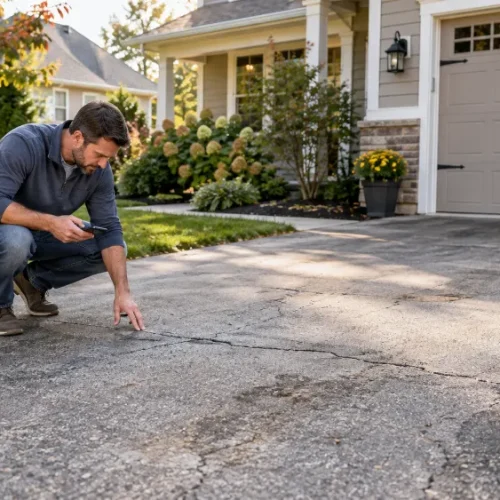
One of the simplest but most important maintenance steps is regular visual inspection. You should check your garage door at least once a month.
Look for signs of wear such as frayed cables, rusted hardware, dented panels, or uneven movement when opening and closing. Pay attention to any unusual noises like grinding, squeaking, or popping, as these are early warning signs of mechanical issues.
If the door appears uneven or struggles to open smoothly, it may indicate a problem with the springs or tracks that should be addressed immediately.
Lubricate Moving Parts
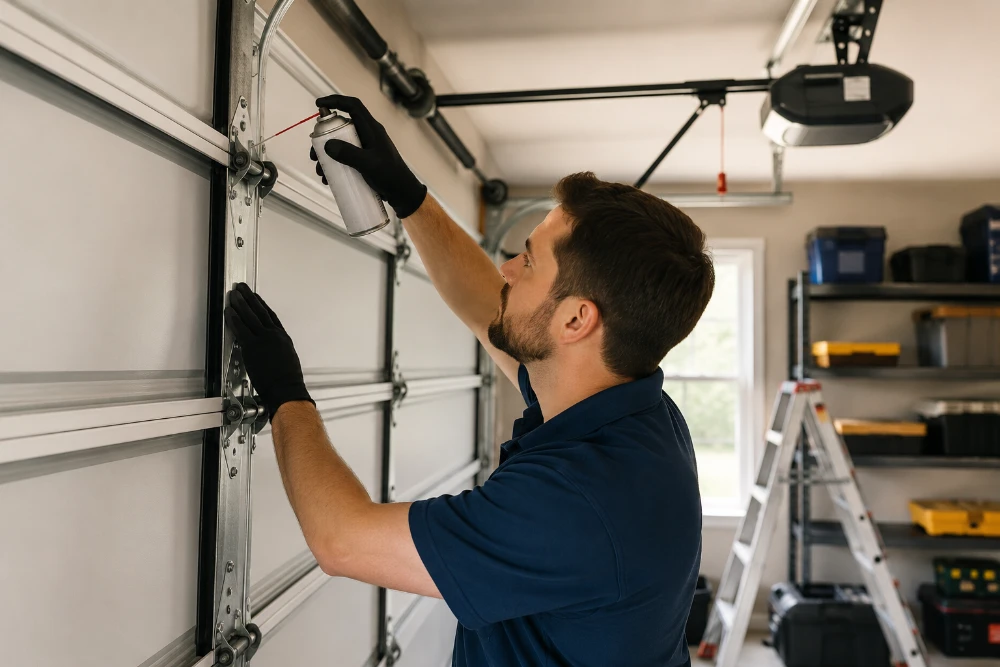
Proper lubrication is essential for keeping a garage door running quietly and efficiently. Over time, friction builds up in the rollers, hinges, springs, and tracks, causing noise and wear.
Use a silicone-based or lithium-based lubricant on all moving metal parts. Apply a small amount to rollers, hinges, and springs every 3 to 6 months. Avoid using heavy grease or WD-40 as a long-term lubricant because they can attract dust and dirt.
Well-lubricated components reduce strain on the garage door opener and help the entire system operate more smoothly.
Check and Tighten Hardware
Because garage doors move frequently, vibration can loosen bolts, screws, and brackets over time. This is especially common in homes where the door is used multiple times per day.
Inspect all hardware connections, including hinges, brackets, and roller mounts. Tighten any loose bolts carefully, but avoid over-tightening as this can strip threads or damage components.
Pay special attention to the brackets that connect the door to the lifting system, as these carry significant weight and stress during operation.
Test the Garage Door Balance
A properly balanced garage door should stay in place when manually lifted halfway and released. If it falls or rises on its own, the springs may be unbalanced or worn out.
To test balance, disconnect the garage door opener and carefully lift the door by hand. If it feels extremely heavy or uneven, it may indicate spring tension issues.
Balanced doors reduce strain on the garage door opener motor and improve overall system longevity. If balance issues are detected, it is best to call a professional, as spring adjustments can be dangerous.
Inspect and Clean the Tracks
Garage door tracks guide the rollers and ensure smooth vertical movement. If the tracks become dirty, bent, or misaligned, the door may stick or become noisy.
Regularly inspect both sides of the track for debris, dust buildup, or obstructions. Clean them using a damp cloth and mild detergent if necessary.
Do not lubricate the tracks themselves, as this can cause rollers to slip. Instead, ensure they remain clean and properly aligned. If you notice dents or misalignment, professional adjustment may be required.
Check the Garage Door Springs and Cables
Springs and cables are among the most critical and high-tension parts of a garage door system. They support the weight of the door and allow it to open and close smoothly.
Inspect springs for signs of rust, gaps, or stretching. Look at cables for fraying or loose strands. These components wear out over time due to constant tension.
If you notice any damage, avoid attempting repairs yourself. Garage door springs are under extreme tension and can cause serious injury if handled incorrectly. Always contact a trained technician for replacement or adjustment.
Test the Auto-Reverse Safety Feature
Modern garage doors include an auto-reverse safety system that prevents the door from closing on objects, pets, or people.
To test this feature, place a small object like a piece of wood under the door and close it. The door should automatically reverse when it touches the object.
You should also test the photo-eye sensors located near the bottom of the tracks. If the sensors are misaligned or blocked, the door may not close properly. Clean the sensor lenses regularly and ensure they face each other directly.
This safety system is essential for preventing accidents and should always be in working condition.
Maintain the Garage Door Opener
The garage door opener is the motorized system that powers the door’s movement. Like any mechanical device, it requires occasional maintenance.
Check the opener chain or belt for proper tension and adjust if necessary. Inspect the mounting brackets to ensure the unit is securely attached to the ceiling.
Replace remote batteries regularly and test the wall control panel for responsiveness. If your system is smart-enabled, ensure the software or app is updated for optimal performance.
A well-maintained opener reduces strain on the entire door system and improves reliability.
Weather Seal and Insulation Care
The weather seal at the bottom and sides of the garage door helps keep out dust, rain, pests, and drafts. Over time, these rubber seals can crack or wear down.
Inspect the seals regularly and replace them if they become brittle or damaged. This simple step can significantly improve energy efficiency and protect items stored inside the garage.
If your garage is attached to your home, maintaining proper insulation and sealing is especially important for temperature control.
When to Call a Professional
While many maintenance tasks can be done by homeowners, some issues require professional attention. These include broken springs, severely misaligned tracks, frayed cables, or malfunctioning openers.
If the door suddenly becomes heavy, noisy, or stops working correctly, it is best not to force it. Professional technicians have the tools and expertise to safely diagnose and repair the problem.
Final Thoughts
Garage door maintenance is not complicated, but it does require consistency. A simple routine of inspection, lubrication, tightening hardware, and safety testing can prevent most common issues.
By taking care of your garage door regularly, you not only extend its lifespan but also improve safety, reduce repair costs, and ensure smooth daily operation. A well-maintained garage door is a small effort that delivers long-term peace of mind.