This post contains affiliate links. As an Amazon Associate, I earn from qualifying purchases, at no extra cost to you. See our disclosure policy.
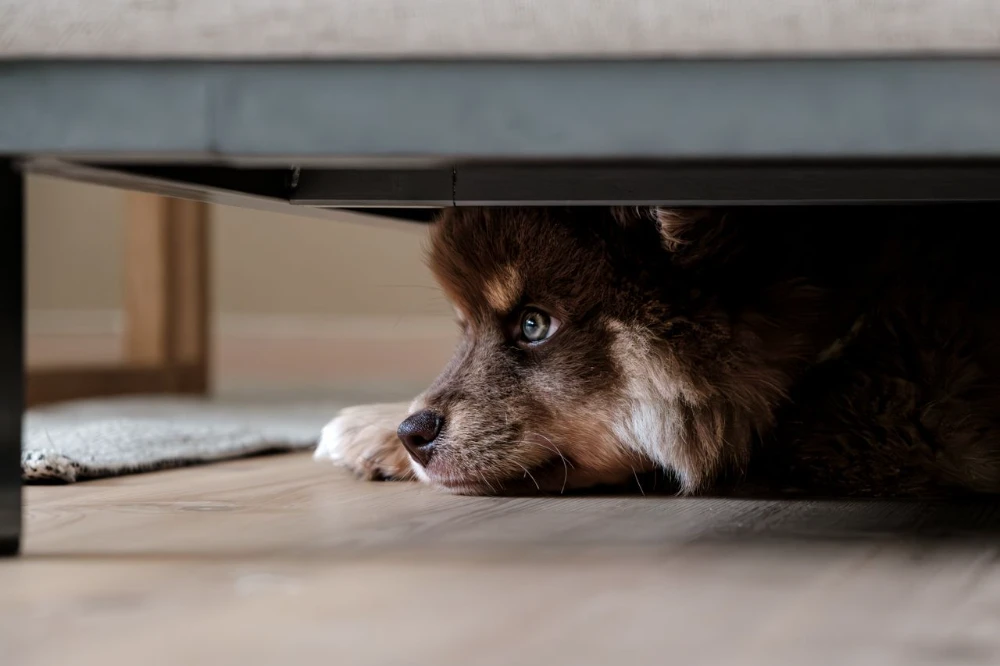
Have you ever watched your dog sniff under the couch, or your cat squeeze into a space that seems impossibly small, and wondered what dangers might be hiding there? As more Americans treat pets like family members, creating a safe home environment has become a bigger priority. From hidden household hazards to changing lifestyles that keep pets indoors longer, building a safer home requires thoughtful planning. The good news is that small adjustments can make a significant difference in protecting the animals that share our lives.
Why Pet Safety Matters More Than Ever
The relationship between people and pets has changed dramatically over the last decade. Many households now invest in premium food, pet insurance, and advanced veterinary care, reflecting a broader trend toward treating pets as family rather than property.
At the same time, pets spend more time inside modern homes filled with electronics, cleaning products, charging cables, and furniture designed for people rather than animals. While smart homes offer convenience, they also create new risks. A curious puppy can chew through a charging cord faster than most homeowners can finish a cup of coffee, turning a normal morning into an emergency vet visit.
Keeping Pests Away Without Risking Pet Health
A pest-free home is an important part of pet safety because insects and rodents can carry diseases, contaminate food, and trigger allergic reactions. Unfortunately, some pest control methods can be just as dangerous to pets as the pests themselves if used incorrectly.
When homeowners explore cockroach extermination solutions, selecting pet-friendly options should be a top priority. Professional treatments designed for households with animals can reduce risks while effectively controlling infestations. Food should always be stored in sealed containers, trash bins should remain covered, and water leaks should be fixed quickly because moisture attracts pests. Before applying any treatment, carefully read labels and follow instructions regarding pet access to treated areas.
Managing Toxic Household Items
Many everyday products can pose serious dangers to pets, even when they appear harmless to humans. Cleaning sprays, detergents, medications, and certain houseplants often contain ingredients that can cause illness if swallowed.
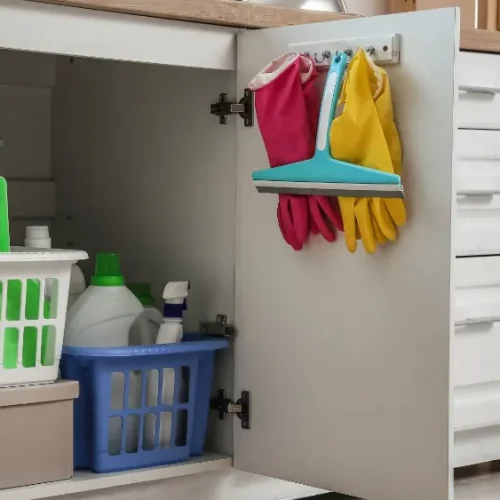
Storage is one of the simplest ways to reduce risk. Keep chemicals in locked cabinets rather than under sinks where pets can reach them. Human medications should never be left on counters or bedside tables. Even common pain relievers can cause severe health complications in animals. A few extra seconds spent putting items away can prevent costly and stressful emergencies later.
Creating Safe Spaces for Exploration
Pets are naturally curious, and curiosity often leads them into trouble. Cats enjoy climbing to high places, while dogs investigate every corner of a room through smell and touch. Instead of constantly restricting exploration, homeowners can create environments where curiosity remains safe.
Secure bookshelves and large furniture to the walls to prevent tipping accidents. Install childproof latches on cabinets that contain potentially dangerous items. For cats, provide sturdy climbing structures that satisfy their desire for height. For dogs, designate areas where toys, beds, and enrichment activities encourage positive exploration without exposing them to hazards.
Smart Technology and Modern Pet Protection
Technology is increasingly shaping how people care for their pets at home. Smart cameras allow owners to monitor animals remotely, while automated feeders help maintain consistent meal schedules during busy workdays. Some devices even track movement patterns and alert owners to unusual behavior that could signal illness or injury.
While technology cannot replace attention and care, it can serve as an extra layer of protection in modern households. As pet ownership becomes more integrated with digital lifestyles, thoughtfully chosen smart devices can help homeowners identify risks earlier, respond more quickly to problems, and create a safer environment for their pets every day.
Reducing Electrical and Choking Hazards
Modern homes contain countless cords, cables, and small accessories that attract pets. Earbuds, remote controls, batteries, and charging wires can quickly become chew toys in the eyes of an animal.
Cord protectors offer an inexpensive solution that reduces temptation and lowers the risk of electrical injury. Small objects should be stored in drawers or containers rather than left on coffee tables or floors. Pet owners often underestimate choking hazards because many dangerous items seem too ordinary to notice. Ironically, the expensive gadget people worry about replacing may be far less important than preventing a trip to the emergency veterinarian.
Improving Air Quality and Indoor Comfort
Indoor air quality affects pets just as much as it affects people. Dust, smoke, strong fragrances, and poor ventilation can contribute to respiratory problems, particularly for older animals and breeds prone to breathing difficulties.
Regular vacuuming removes pet hair and allergens while improving overall cleanliness. Air purifiers can help reduce airborne particles, especially in homes with multiple pets. Homeowners should also avoid excessive use of scented candles and aerosol sprays. A room that smells pleasant to people may feel overwhelming to animals whose sense of smell is significantly stronger than ours.
Preparing for Emergencies Before They Happen
Natural disasters, severe weather events, and power outages have become increasingly common topics across the United States. Emergency planning should always include pets because animals often depend entirely on their owners during crises.
Keep a pet emergency kit stocked with food, water, medications, vaccination records, and identification information. Carriers and leashes should remain easily accessible. Microchipping provides an additional layer of protection if pets become separated from their families. Preparation may seem unnecessary until an unexpected situation arises, but having a plan can save valuable time when every minute matters.
Building Long-Term Safety Habits
The safest homes are not necessarily the most expensive or technologically advanced. They are homes where safety becomes part of everyday routines. Consistently checking for hazards, storing dangerous items properly, and paying attention to changes in pet behavior create a strong foundation for long-term protection.
As pet ownership continues to evolve, homeowners are recognizing that safety is an ongoing process rather than a one-time project. A secure environment supports better health, reduces preventable accidents, and strengthens the bond between people and their animals. Building a safer home for pets ultimately means creating a space where curiosity, comfort, and companionship can thrive together. The effort is modest, but the rewards are measured in years of happier and healthier lives for the companions who trust us most.