Batumi’s seafront has attracted foreign buyers for over a decade. The appeal is straightforward: a Black Sea address, relatively low entry prices, and the possibility of rental income from summer tourism. But proximity to the sea is not a single category. It covers everything from a first-row apartment with an unobstructed view to a unit in a high-rise three blocks inland that markets itself as “near the beach.” Knowing what you are actually buying matters more than the developer’s description.’
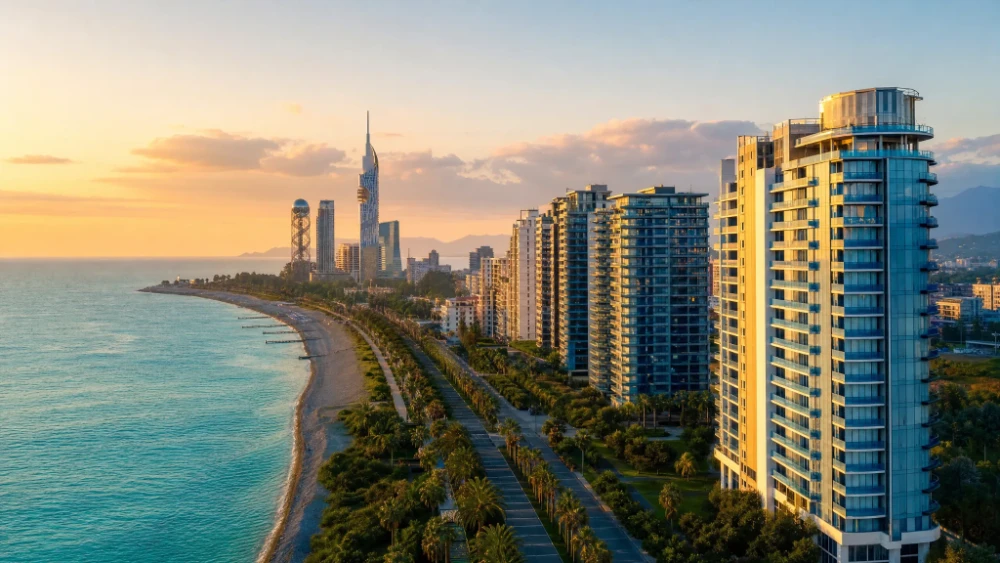
The Batumi real estate market near the seafront has become one of the more saturated segments in Georgian property. That does not mean good purchases are unavailable. It means the difference between a sound investment and a disappointing one comes down to specifics that promotions tend to skip over.
Seafront Zones in Batumi: Where the Sea-View Premium Actually Applies
Not all of Batumi’s coastline works the same way for buyers. The city stretches along the Black Sea, but the character of each zone differs considerably in terms of investment logic and price level.
The central boulevard area, running from the Old Town toward Miracle Park, is the most established and most expensive strip. Properties here face the promenade directly or sit within 100-200 meters of it. These units attract both tourists and long-term tenants and hold their value better than peripheral locations.
The New Boulevard and the northern extension toward Gonio are newer development zones. Prices are somewhat lower, infrastructure is still developing in parts, and the buyer profile skews toward investors expecting long-term appreciation rather than immediate rental returns. The southern stretch toward Chakvi offers a quieter coastal setting at a noticeable price discount, though transport links are less convenient.
Batumi Sea-View Apartment Prices in 2025: What the Market Looks Like
Price is the first question most buyers ask. The honest answer is that it depends heavily on row, floor, view angle, and finishing quality. Headline figures from developer marketing often reflect best-case units only.
For genuine first-row properties with direct sea views and no obstruction, prices in 2025 run from approximately $1,200 to $2,200 per square meter for new builds. Units on higher floors of well-known complexes sit at the top of that range. Second-row properties drop to $900-$1,400 per square meter, and the gap widens further from the water.
The secondary market often undercuts new builds on price but introduces variables like older construction standards, less predictable title histories, and higher maintenance costs. Buyers considering resale units should factor in renovation budgets, which can add $200-$400 per square meter for a full fit-out in older stock.
What “Sea View” Actually Means in Batumi Developer Listings
This is one of the most practically important distinctions a buyer can make before visiting a showroom. The term “sea view” is used loosely, and the difference between a full panoramic view and a partial glimpse between buildings affects both rental income and resale value.
- Full unobstructed view. The apartment faces the sea with no buildings or structures blocking the sightline. These units command the strongest rental premiums and are the first to book during peak season.
- Partial or angled view. The sea is visible from one side of the balcony or through a gap in neighboring structures. These units are priced lower and are more vulnerable to obstruction if adjacent plots develop.
- Sea-glimpse listings. A marketing phrase used for units where the sea is technically visible from some position in the apartment but not from the main living area or balcony. Rental yield does not reflect sea-view pricing.
- Garden or pool-view units with sea access. Common in resort-style complexes. The unit itself faces internal amenities, not the water. Useful for short-term rentals marketing resort facilities, but not a sea-view property in any meaningful sense.
Rental Income from Batumi Seafront Properties: Realistic Expectations
Rental yield is the primary investment thesis for most foreign buyers of Batumi seafront apartments. The short-term rental season runs from mid-June through early September, roughly 10-12 weeks of high demand, followed by a much quieter shoulder period and a slow winter.
Well-located first-row studios and one-bedroom apartments, actively managed and listed on major platforms, can generate $4,000-$8,000 during the peak season. Annual income including shoulder months typically lands between $6,000 and $12,000 depending on management quality, unit condition, and location. On a $120,000 purchase, that represents a gross yield of 5-10%.
The net yield after platform fees, management fees, utilities, and periodic repairs is often 30-40% lower than gross figures. Developer rental programs that promise guaranteed returns are common in Batumi’s promotional materials. They frequently include deferred conditions or revenue-share structures that reduce actual payouts. Treat any guaranteed return figure as a starting point for further questions, not a confirmed outcome.
Due Diligence Checklist for Buying Near the Batumi Seafront
Seafront purchases carry specific risks that inland buyers face less often. The points below cover the issues most commonly overlooked by first-time buyers in this market.
- Flood and coastal erosion risk. Some sections of Batumi’s coastline have historical flooding or erosion records. Check municipal flood zone maps and ask about the building’s foundation depth and drainage systems before signing anything.
- Developer track record on completed buildings. Visit finished projects by the same company. Look at the quality of common areas, elevator maintenance, and facade condition after two to three years of use.
- View protection and surrounding plot status. Confirm whether adjacent plots are already sold or zoned for construction. A current sea view can disappear within two years if neighboring land is developed.
- Management company independence. Some developers require buyers to use the developer’s own management company for rentals. Check the contract terms, fee structure, and whether you can exit the arrangement if performance is poor.
Conclusion
Batumi’s seafront market in 2025 offers real opportunities for buyers who approach it with clear criteria. The entry prices are still lower than comparable Mediterranean destinations, the legal framework for foreign ownership is accessible, and genuine first-row properties in the central boulevard area have demonstrated demand stability. The risks are equally real: oversupply in certain segments, seasonal income concentration, and a wide quality gap between developers. A buyer who visits in person, checks the view protection, and reads rental program contracts carefully is in a much better position than one who buys remotely based on promotional materials. The sea is there, and what surrounds it matters just as much.