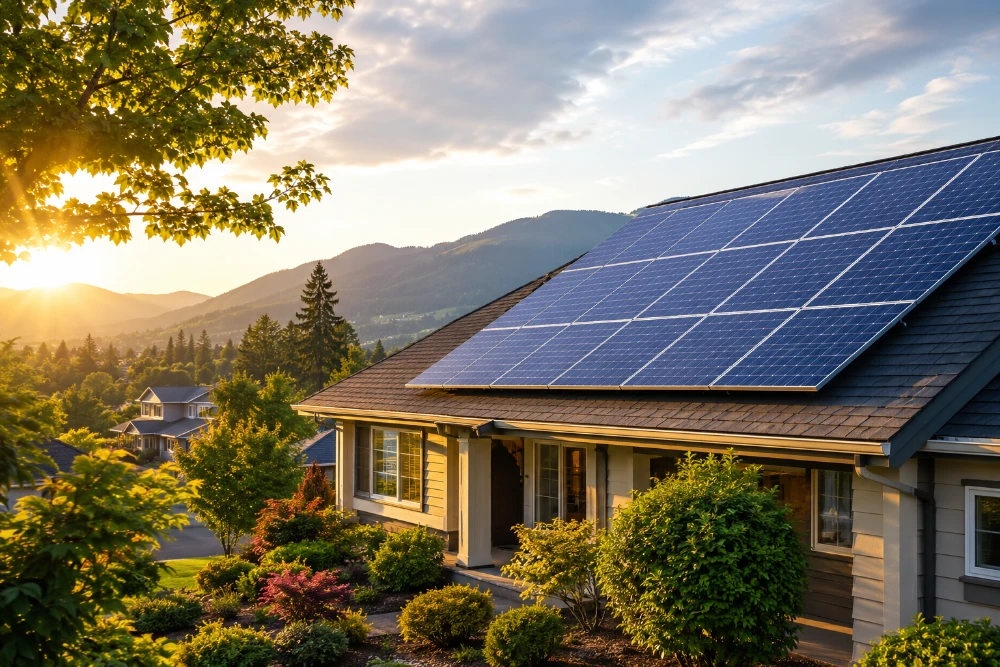
The demand for renewable energy continues to grow across the United States, and Jacksonville, Oregon is no exception. More homeowners are exploring Solar Jacksonville Oregon solutions as they look for ways to lower utility bills, reduce environmental impact, and gain greater control over their energy consumption.
Solar technology has evolved significantly over the past decade. Modern solar panels are more efficient, durable, and affordable than ever before. Combined with federal tax incentives and rising electricity costs, solar energy has become a smart investment for many homeowners.
The appeal of solar installations goes beyond financial savings. Residents appreciate the opportunity to generate clean energy while contributing to a more sustainable future. With abundant sunlight throughout much of the year, Jacksonville offers favorable conditions for solar power generation.
For reliable information about renewable energy and solar technology, homeowners can explore resources from the U.S. Department of Energy Solar Energy Technologies Office.
As more households embrace renewable energy, understanding the benefits, installation process, and available incentives becomes increasingly important. This guide provides everything homeowners need to know about making the switch to solar.
Why Solar Power Is Growing in Popularity
Solar energy has become one of the fastest-growing energy sources in the country. Several factors contribute to this trend.
Rising Energy Costs
Electricity rates have steadily increased in many regions. Homeowners are looking for ways to reduce monthly expenses and protect themselves from future utility rate hikes.
Solar panels allow homeowners to generate their own electricity, reducing dependence on traditional utility providers. Over time, these savings can add up significantly.
Benefits include:
- Lower monthly utility bills
- Predictable energy costs
- Protection from future rate increases
- Improved household budgeting
Increased Environmental Awareness
Many families want to reduce their environmental impact.
Solar energy helps by:
- Producing clean electricity
- Reducing greenhouse gas emissions
- Lowering fossil fuel dependence
- Supporting sustainable living
As environmental concerns continue to grow, renewable energy solutions become increasingly attractive.
Understanding Solar Systems
Before investing in solar energy, it helps to understand how solar systems operate.
How Solar Panels Work
Solar panels capture sunlight and convert it into electricity using photovoltaic (PV) cells.
The process includes:
- Sunlight hits solar panels.
- PV cells generate direct current (DC) electricity.
- An inverter converts DC power into alternating current (AC).
- The home uses the generated electricity.
- Excess energy may be sent to the electrical grid.
This simple yet effective process allows homeowners to harness renewable energy directly from the sun.
Key Components of a Solar System
A complete solar installation typically includes:
| Component | Purpose |
| Solar Panels | Capture sunlight |
| Inverter | Converts electricity |
| Mounting System | Secures panels |
| Monitoring System | Tracks performance |
| Battery Storage (Optional) | Stores excess energy |
Each component plays an important role in system performance and reliability.
15 Powerful Benefits of Solar Installations
The popularity of solar systems continues to rise because of their many advantages.
1. Lower Utility Bills
Generating electricity from sunlight reduces dependence on utility companies.
2. Energy Independence
Solar power gives homeowners greater control over their energy needs.
3. Increased Property Value
Many buyers view solar-equipped homes as attractive investments.
4. Reduced Carbon Footprint
Solar energy produces no direct emissions during operation.
5. Long-Term Financial Savings
Although installation requires an upfront investment, long-term savings can be substantial.
6. Reliable Energy Production
Modern systems perform effectively even during partially cloudy conditions.
7. Low Maintenance Requirements
Solar panels require minimal maintenance compared to many other home systems.
8. Quiet Operation
Unlike generators, solar systems operate silently.
9. Improved Energy Security
Battery storage can provide backup power during outages.
10. Tax Incentives
Federal programs help reduce installation costs.
11. Technological Advancements
Solar technology continues to improve efficiency and performance.
12. Environmental Responsibility
Homeowners contribute to cleaner air and reduced pollution.
13. Long Equipment Lifespan
Many solar panels carry warranties of 25 years or more.
14. Community Sustainability
Solar adoption supports broader renewable energy goals.
15. Future-Proof Investment
As energy prices rise, solar becomes even more valuable.
Jacksonville Oregon’s Solar Potential
Jacksonville offers excellent opportunities for solar energy production.
Climate and Sunlight Conditions
Southern Oregon receives substantial sunlight throughout the year. While seasonal variations occur, annual solar production remains favorable.
Factors supporting solar performance include:
- Clear summer skies
- Moderate temperatures
- Strong annual sunlight exposure
- Favorable geographic location
Local Energy Opportunities
Many homeowners are discovering that local conditions support strong solar returns on investment.
Solar assessments can help determine:
- Roof suitability
- Energy production potential
- Financial savings estimates
- System sizing requirements
Solar Incentives and Tax Credits
Financial incentives make solar installations more affordable.
Federal Solar Tax Credit
Qualified homeowners may be eligible for federal tax incentives that reduce installation costs.
Potential benefits include:
- Lower upfront investment
- Faster return on investment
- Increased affordability
State and Utility Programs
Depending on availability, local programs may provide:
- Rebates
- Incentives
- Net metering opportunities
- Energy efficiency support
Because programs change periodically, homeowners should verify current eligibility requirements.
Choosing the Right Solar System
Every property has unique energy requirements.
Residential Solar Systems
When selecting a system, homeowners should consider:
- Household energy consumption
- Roof size
- Budget
- Future energy needs
Professional assessments help determine the optimal system size.
Battery Storage Solutions
Battery systems offer additional flexibility.
Benefits include:
- Backup power during outages
- Greater energy independence
- Improved energy management
- Increased self-consumption of solar power
Solar Installation Process
Understanding the installation process helps homeowners prepare for the transition.
Site Assessment
Professionals evaluate:
- Roof condition
- Sun exposure
- Electrical infrastructure
- Structural integrity
Design and Installation
The process typically includes:
- System design
- Permit acquisition
- Equipment installation
- Inspection
- Utility connection
- System activation
Most residential installations are completed within a few days once permits are approved.
Common Solar Myths Debunked
Several misconceptions prevent some homeowners from considering solar.
| Myth | Reality |
| Solar only works in hot climates | Solar works in many climates |
| Panels require constant maintenance | Maintenance needs are minimal |
| Solar is too expensive | Incentives improve affordability |
| Solar damages roofs | Proper installation protects roofs |
| Solar stops working on cloudy days | Panels still generate electricity |
Understanding the facts helps homeowners make informed decisions.
Maintenance Tips for Solar Panels
Proper maintenance ensures long-term performance.
Best Practices
- Keep panels free from debris.
- Monitor system performance regularly.
- Schedule professional inspections.
- Trim nearby trees when necessary.
- Address equipment issues promptly.
Most systems require very little ongoing attention, making solar an attractive low-maintenance investment.
Frequently Asked Questions
Yes. Jacksonville receives sufficient sunlight throughout the year to support efficient solar energy production.
Savings depend on energy usage, system size, utility rates, and available incentives.
Yes. Solar panels continue generating electricity even when skies are partially cloudy.
Most high-quality solar panels are designed to last 25 years or longer.
Many studies suggest that solar-equipped homes may attract buyers and command higher resale values.
Routine cleaning, periodic inspections, and performance monitoring are usually sufficient.
In many cases, a properly sized system can meet most or all of a household’s electricity needs.
Not always. However, batteries provide backup power and increase energy independence.
Conclusion
The growing popularity of solar installations reflects the many benefits renewable energy offers homeowners. From reducing utility bills and increasing property value to supporting environmental sustainability, solar power provides both immediate and long-term advantages.
With favorable sunlight conditions, advancing technology, and valuable financial incentives, Jacksonville homeowners are well-positioned to benefit from solar energy. By understanding system options, installation requirements, and maintenance practices, homeowners can make confident decisions that support their financial and environmental goals.
Investing in solar solutions today can help create a cleaner, more energy-efficient future while delivering meaningful savings for years to come.