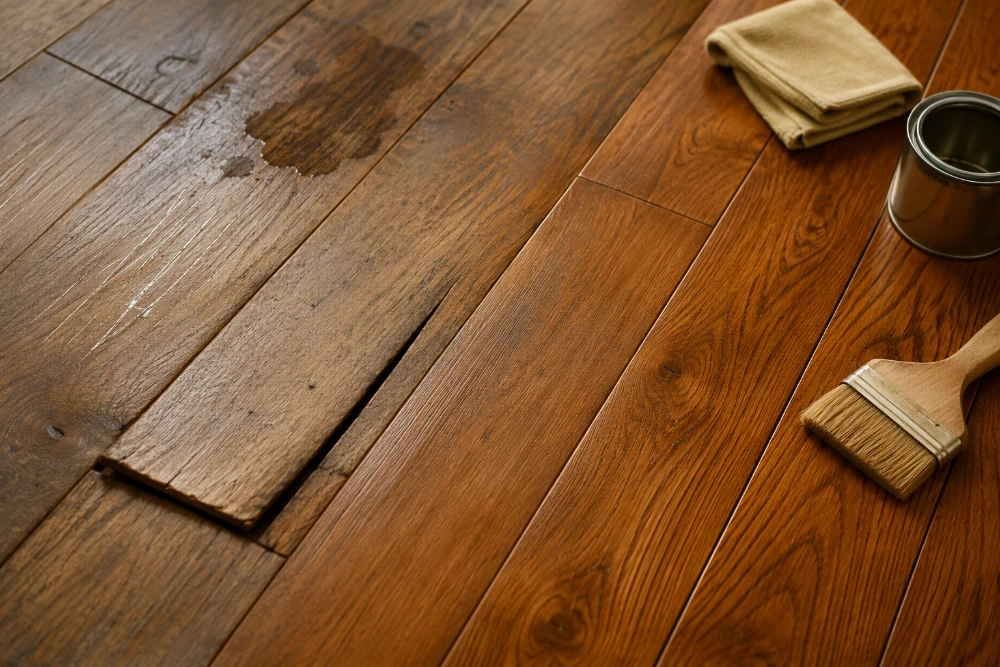
Wooden floors are known for their durability, timeless appearance, and ability to add value to any space. However, even the highest-quality wooden flooring is not immune to wear and tear. Daily use, environmental changes, and natural ageing all contribute to gradual changes in how a floor looks and performs.
The important thing is not to panic when issues arise, but to understand their causes and respond appropriately. Most wooden flooring problems begin as small, manageable concerns. When addressed early, they can often be resolved quickly and cost-effectively—before turning into major repairs.
The First Signs Are Often Subtle
Wooden floors rarely develop problems overnight. Instead, they tend to show early warning signs that are easy to overlook.
You might notice a faint scratch in a frequently used area, a small gap forming between boards, or a section of the floor that appears slightly duller than the rest. These changes can seem insignificant at first, but they are often indicators that the floor is beginning to react to its environment or usage.
Ignoring these early signs allows minor damage to worsen over time. What could have been a simple fix—such as refinishing or minor repair—may eventually require more extensive work.
Recognising these subtle changes early is one of the most effective ways to protect your flooring investment.
Surface Damage: Scratches and Dents
Scratches and dents are among the most common issues affecting wooden floors. They are typically caused by everyday activities such as moving furniture, walking in shoes with hard soles, pet claws, or even small particles of dirt acting like sandpaper underfoot.
At first glance, surface damage may seem purely cosmetic. However, deeper scratches can penetrate the protective finish and expose the raw wood beneath. Once exposed, the wood becomes more vulnerable to moisture, staining, and further deterioration.
For minor scratches, polishing or using touch-up products can significantly improve the appearance. In cases where damage is more widespread, sanding and refinishing the floor is often the most effective solution. This process removes the damaged surface layer and restores a fresh, even finish.
Taking preventative steps—such as using felt pads under furniture and keeping floors clean—can also reduce the likelihood of future damage.
Gaps and Movement Between Boards
One of the most misunderstood wooden flooring issues is the appearance of gaps between boards. Many homeowners assume this is a sign of poor installation, but in most cases, it is a natural reaction to environmental conditions.
Wood is a hygroscopic material, meaning it absorbs and releases moisture depending on the surrounding air. During dry periods—especially in winter when heating systems are in use—wood loses moisture and contracts. This causes gaps to appear between boards.
When humidity levels rise again, the wood expands, and the gaps often reduce or disappear.
Small, consistent gaps that change with the seasons are generally normal and do not indicate a structural problem. However, if gaps are large, uneven, or remain visible throughout the year, they may suggest deeper issues such as improper installation or long-term moisture imbalance.
Maintaining stable indoor humidity—typically between 40% and 60%—is one of the most effective ways to minimise this type of movement.
Warping, Cupping, and Lifting
While dryness causes wood to shrink, excessive moisture leads to the opposite problem. When wooden boards absorb too much moisture, they expand unevenly, which can result in warping, cupping, or lifting.
Cupping occurs when the edges of the boards rise higher than the centre, while warping can cause boards to twist or bend out of shape. In more severe cases, boards may lift away from the subfloor entirely.
These issues are more serious than surface damage because they affect both the appearance and structural integrity of the floor.
Common causes include water spills, high humidity, leaks, or inadequate subfloor preparation. Identifying and eliminating the source of moisture is the first and most critical step in resolving the problem.
In some situations, the floor may stabilise once moisture levels return to normal. However, severe cases often require professional repair or replacement of affected sections.
Loss of Finish and Dull Appearance
Not all wooden floor problems are structural. Over time, even well-maintained floors can begin to lose their original sheen.
The protective finish gradually wears down due to foot traffic, cleaning, and exposure to sunlight. As the finish deteriorates, the floor may appear dull, uneven, or faded.
This not only affects the visual appeal but also leaves the wood more exposed to potential damage.
Refinishing is the most effective way to restore both appearance and protection. By sanding away the worn finish and applying a new protective layer, the floor can regain its original look—often appearing almost as good as new.
Regular maintenance, including proper cleaning and occasional polishing, can help extend the life of the finish.
When Simple Fixes Are Not Enough
While many wooden flooring issues can be resolved with basic maintenance or minor repairs, there are situations where a more comprehensive approach is required.
If you notice multiple problems occurring at the same time—such as gaps, surface damage, and movement—it may indicate a deeper underlying issue. Persistent instability, widespread wear, or recurring problems are also signs that simple fixes may no longer be sufficient.
In such cases, it is important to address the root cause rather than applying temporary solutions. Working with experienced professionals such as https://floorox.co.uk ensures that the problem is properly assessed and resolved using appropriate methods and materials.
Prevention Is Always Better Than Repair
Most wooden flooring problems do not result from a single major event, but from a series of small, preventable factors. Improper cleaning methods, neglecting humidity levels, or delaying maintenance can all contribute to long-term damage.
Adopting simple preventative habits can significantly reduce the risk of issues:
- Clean floors regularly to remove dirt and debris
- Use protective pads under furniture
- Avoid excessive water during cleaning
- Maintain stable indoor humidity
- Address minor damage as soon as it appears
These small steps can make a substantial difference in preserving the condition of your flooring.
A Long-Term Perspective
Wooden floors are designed to age, and some level of change is inevitable. Scratches, minor gaps, and signs of wear are part of the natural life cycle of the material.
However, these changes do not have to diminish the quality or appearance of the floor. With proper care, timely maintenance, and informed decision-making, wooden flooring can remain durable and visually appealing for decades.
In many cases, even floors that show significant wear can be restored rather than replaced—making them a long-term investment worth maintaining.
Final Thoughts
Most wooden flooring problems are manageable when understood correctly. The key lies in recognising early warning signs, identifying the underlying causes, and choosing the right solution at the right time.
By taking a proactive approach and maintaining consistent care, you can ensure that your wooden floors continue to perform well and look their best for many years to come.