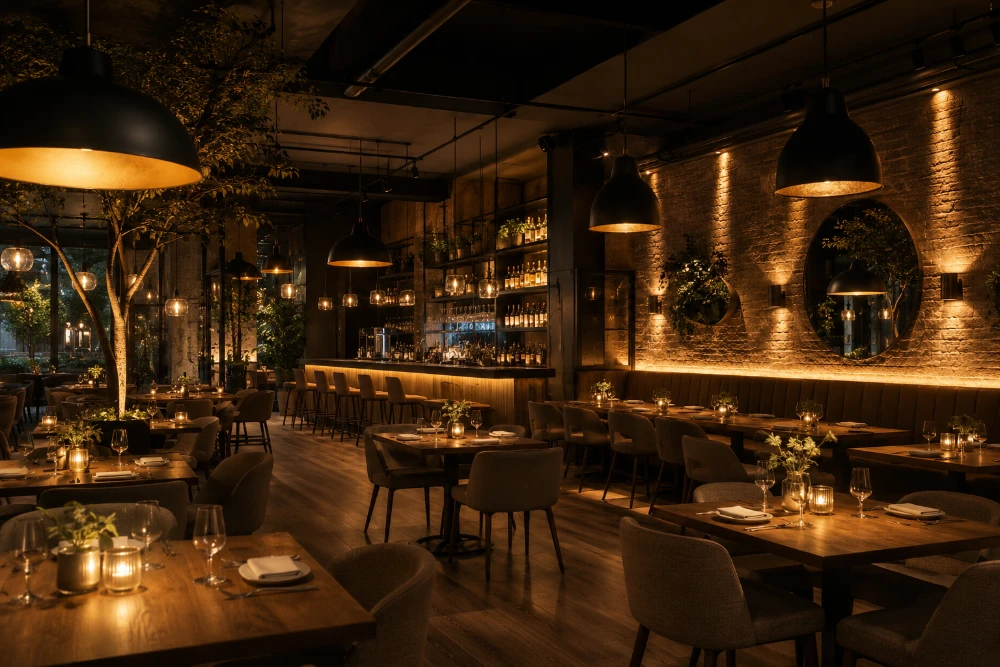
Restaurant lighting is one of the most powerful and underestimated tools in the hospitality industry. The way a dining space is lit shapes how guests feel the moment they walk through the door — affecting their mood, their perception of the food, and whether they linger over dessert or rush through their meal. Get it right and your lighting becomes an invisible force that elevates every visit. Get it wrong and even excellent food and service struggle to overcome a poorly lit room.
The stakes are high, but so is the opportunity. Thoughtfully designed restaurant lighting communicates your brand, directs guest attention, and creates the emotional tone that turns a first visit into a habit. If you’re ready to make lighting work harder for your dining space, exploring a carefully curated collection of restaurant lighting fixtures is the most effective first step. The right fixtures can define a room in ways that no other design element can match.
Why Restaurant Lighting Is One of the Most Critical Design Decisions
The research is consistent: lighting directly affects how long guests stay, how much they order, and how positively they rate their experience. Studies have found that diners in softly lit environments stayed longer, spent more, and reported higher satisfaction than those in brightly lit rooms. Atmosphere created by lighting isn’t a secondary consideration — it’s a primary driver of revenue.
Light affects taste perception too. Warm light — in the 2700K–3000K color temperature range — makes food look more appealing by enriching warm tones in dishes and creating a sense of abundance and quality. Cool, flat light does the opposite, washing out colors and making even carefully plated food look clinical and unappetizing.
Beyond the guest experience, restaurant lighting shapes staff performance and operational efficiency. Task areas like bars, kitchen pass-throughs, and host stations require sufficient brightness for accuracy and speed. The best restaurant lighting schemes address both guest-facing and operational requirements simultaneously.
How to Choose the Right Restaurant Lighting for Your Space
Choosing restaurant lighting involves balancing several competing priorities: atmosphere, functionality, energy efficiency, and brand identity. A clear framework helps navigate the options without getting overwhelmed by the breadth of what’s available.
Establish your concept first. The lighting choices for a fine dining restaurant are entirely different from those suited to a casual neighborhood bistro, a fast-casual counter service spot, or a rooftop bar. Before selecting any fixtures, define the emotional experience you want guests to have — intimate and romantic, vibrant and social, relaxed and unpretentious — and let that definition drive every lighting decision.
Layer your lighting. Professional restaurant designers always work with multiple layers of light rather than a single overhead source. Ambient lighting sets the overall brightness level. Accent lighting highlights specific features — artwork, architectural details, the bar. Task lighting ensures staff can work safely and efficiently at every station.
Choose the right color temperature. For dining spaces, warm white light in the 2700K–3000K range is the near-universal choice. It flatters skin tones, enhances food presentation, and creates the comfortable, welcoming atmosphere that encourages guests to relax and stay. Cooler temperatures (4000K and above) are better reserved for kitchens, bathrooms, and back-of-house areas where clarity matters more than warmth.
Types of Restaurant Lighting Fixtures Worth Knowing
Pendant lights are the most versatile and visually impactful fixtures in restaurant design. Hung over individual tables or in clusters above larger dining areas, they provide both ambient and intimate light while contributing strongly to the overall aesthetic. Industrial cage pendants, blown glass globes, and fabric-shaded designs each communicate a distinct atmosphere.
Chandeliers anchor larger spaces and make immediate statements about the style and ambition of the restaurant. A dramatic chandelier above a central dining area becomes a focal point that defines the room before guests sit down. For fine dining and upscale casual concepts, a chandelier is often the single most impactful design investment.
Wall sconces provide mid-level lighting that fills the gap between overhead fixtures and table-level light. They add warmth and dimension to dining room walls and work particularly well in long, narrow spaces or along booth seating where overhead light alone feels flat and insufficient.
Recessed and track lighting serve as the functional backbone of a restaurant lighting scheme. They provide controllable, directional light for accent purposes and can be dimmed to adjust overall brightness as the day transitions from lunch service to dinner service.
Designing for Different Zones and Times of Day
A well-designed restaurant lighting scheme accounts for the fact that different areas serve different functions — and that the right light levels at 6pm are not the same as those at 10pm.
The dining room benefits from warm, dimmable overhead lighting combined with pendant or table-level light. The bar area can carry slightly higher brightness levels, particularly when it functions as a social gathering point in the early evening. The entrance and host stand need enough light for practical operations while still setting the right atmospheric tone as the first impression guests receive.
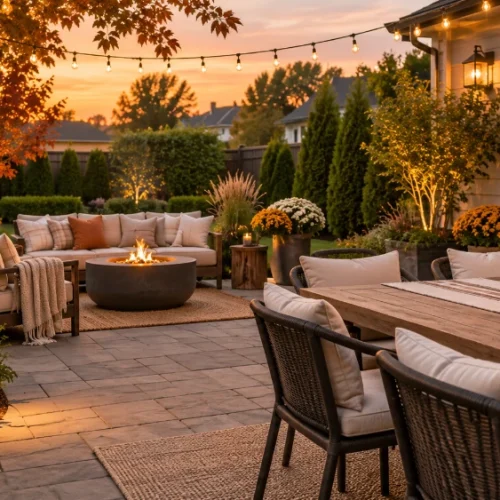
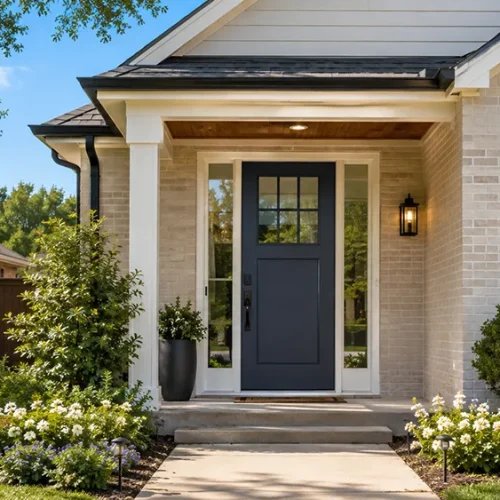
Thinking about the full guest experience also means considering what happens before guests come inside. The exterior of your restaurant communicates as much as the interior, and well-designed exterior lighting plays a crucial role in drawing guests in, communicating your restaurant’s personality from the street, and ensuring safety and visibility at the entrance after dark. The transition from exterior to interior lighting should feel intentional and cohesive — not jarring or disconnected.
Common Restaurant Lighting Mistakes to Avoid
Over-lighting is the most widespread mistake. Many restaurant owners default to bright, even light throughout the dining room out of concern that guests won’t be able to read menus. In practice, most guests find moderate to dim lighting far more comfortable, and modern menu design, QR codes, and small candles resolve readability concerns without flooding the room with harsh overhead brightness.
Ignoring the color rendering index (CRI) is another common oversight. CRI measures how accurately a light source renders colors compared to natural daylight. For restaurants, a CRI of 90 or above is strongly recommended — it ensures food looks vibrant and true-to-life rather than dull or discolored under artificial light.
Failing to install dimmers severely limits operational flexibility. Fixed-output lighting locks a space into a single atmosphere regardless of the time of day or service style. Dimming capability costs relatively little at the installation stage and pays dividends across every service for the life of the restaurant.
Restaurant Lighting Done Right Makes Everything Better
Restaurant lighting is not a background detail — it’s the invisible architecture of the dining experience. It shapes perception, builds atmosphere, drives behavior, and communicates brand identity in ways that guests feel deeply even when they can’t articulate why. By layering light sources thoughtfully, choosing warm color temperatures, investing in dimmable fixtures, and designing for the specific zones and rhythms of your operation, you create a dining environment that guests want to return to again and again.
The most memorable restaurants in the world have one thing in common: the lighting feels exactly right. That’s never an accident — it’s always a decision.
Meta Description: Discover how to design restaurant lighting that creates atmosphere and drives revenue — covering fixture types, zones, color temperature, and key tips.