Extreme weather conditions are making property management difficult for homeowners. The country has logged 403 weather and climate disasters since 1980. The result? Home exterior repair costs are through the roof.
To minimize the cost of repeated repairs, people are increasingly turning to more durable materials. For instance, stone-coated steel roofing is becoming a popular choice because of its exceptional durability.
However, choosing a resistant material is not enough, especially if your roof is constantly exposed to harsh elements. If you live in a storm-prone area, timely stone-coated steel roof repair is just as important. The same goes for other aspects of your home, such as drainage, siding, and walls.
A resilient home exterior requires a comprehensive plan to protect itself against various types of weather disasters. This article will discuss practical ways to strengthen your home’s exterior against harsh weather without turning every repair into a major expense.
Be Proactive About Water Damage Protection
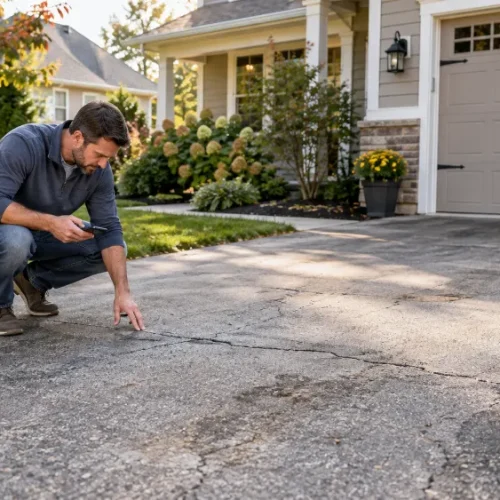
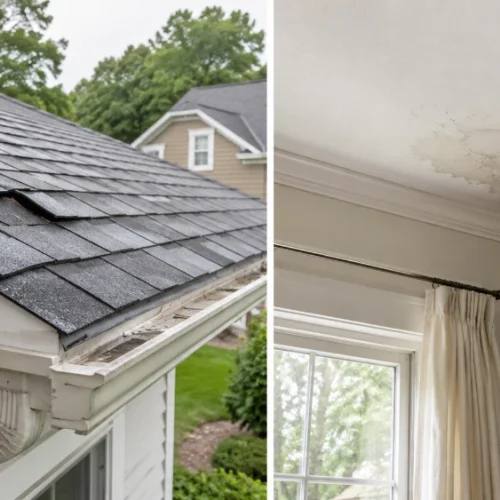
Water damage can silently drain your savings faster than almost any other home repair. A small leak ignored today can compromise your walls, floors, and foundation within months. If you live in a region where heavy rainfall and flooding are common, the stakes get even higher.
Take Texas Hill Country, for instance, an area locals and researchers refer to as Flash Flood Alley. Its terrain and weather patterns combine to trigger rapid flood events, according to the Texas Water Resources Institute.
Proactive waterproofing is not optional in conditions like these. It is the difference between minor maintenance and major restoration.
Start with the gutters. Clean them out at least twice a year, because blocked gutters push water back toward the roofline and walls. Check the caulking around windows and doors too, since worn seals let moisture creep in during heavy rain.
Waterproof your basement walls with a solid sealant, and make sure the soil around your foundation slopes away from the house.
Keep Your Roof in Pristine Condition
Your roof is your first line of defense against everything the sky throws at it. Heavy storms, hail, and prolonged freeze-thaw cycles are becoming more commonplace across the country. Therefore, keeping a roof in good shape is getting harder to manage without a clear plan.
Residential roof replacements averaged around $17,631 in 2025, with repairs coming in at roughly $4,699, per industry data. At that rate, deferred maintenance can turn a manageable fix into a serious financial burden for homeowners.
So before damage compounds, it is best to get ahead of it. It all starts with choosing the right material for your climate. In Colorado, where hailstorms and temperature swings are routine, metal roofing and Class 4 Impact-Resistant Shingles are widely popular, adds Restoration Contractors LLC.
Stone-coated steel, in particular, has gained traction for storm-damaged roofs because it combines the strength of metal with a low-maintenance profile. The roofing material holds up exceptionally well across seasons.
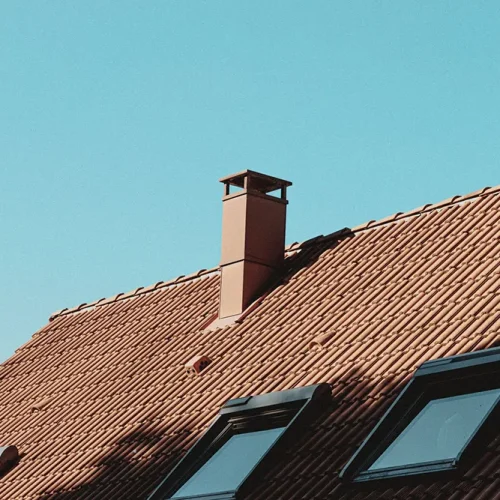
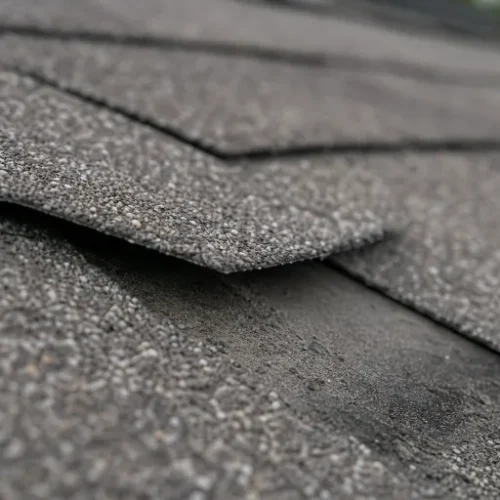
That said, even the strongest materials need periodic attention. Inspect your roof at least twice a year, ideally before and after storm season. Look for lifted or missing shingles, damaged flashing around chimneys and vents, and any soft spots that signal moisture has already gotten through.
Minor issues caught early rarely escalate into full replacements. When shingles are visibly curling, granule loss is significant, or the decking beneath shows water damage, replacement becomes the more cost-effective path forward.
Wildfire-Proof Your Home Before Fire Season Arrives
Wildfires ignite with little warning and consume everything in their path within hours. For homeowners in fire-prone states like California, this is not even a hypothetical risk. It’s a recurring reality.
The two most recent major wildfires to tear through Los Angeles County are estimated to have caused property and capital losses of up to $164 billion. The scale of loss puts the importance of preparation into sharp perspective.
California Natural Resources Secretary Wade Crowfoot said, “Much more work is needed. These deliverables chart out critical solutions we will put in place to protect people and their homes.” The same urgency applies to individual homeowners, not just policymakers.
Start with your home’s exterior. Replace wood siding and soffits with fire-resistant materials like fiber cement or stucco. Enclose open eave vents with fine mesh screens, since embers tend to enter through gaps and ignite from the inside out.
Clear a defensible space of at least 30 feet around the structure, removing dry brush, dead leaves, and combustible material close to the foundation.
Move inward from there. Dual-pane tempered glass windows hold up significantly better against radiant heat than single-pane alternatives. Composite or metal roofing rated Class A for fire resistance is the standard worth investing in for high-risk zones.
Replacing wooden decks with composite decking, or at a minimum, treating them with fire-retardant coatings that require annual reapplication, makes sense.
FAQs
Regular maintenance, like clean gutters, sealed windows, and roof inspections, prevents the most damage at the lowest cost.
Twice a year is the recommended standard, once before storm season and once after it ends.
Not always. Flood and wildfire damage often require separate policies, so reviewing your coverage annually is worth doing.
Key Facts at a Glance
| Data Point | Figure |
| US weather disasters (1980–2024) costing $1B+ each | 403 |
| Average residential roof replacement cost (2025) | ~$17,631 |
| Estimated LA wildfire property losses | Up to $164 billion |
Your Home Is Worth the Effort
Look, no one wants to spend their weekend thinking about storm drains and fire-resistant siding. But the homeowners who do a little every season rarely face the ones who have to rebuild from scratch.
Small, consistent efforts add up over time, and your home reflects exactly what you put into it. None of this has to happen all at once, either. Pick one thing this month, then another next month. Before long, you will have a home that handles whatever comes its way. Your peace of mind is worth every bit of the effort.