This post contains affiliate links. As an Amazon Associate, I earn from qualifying purchases, at no extra cost to you. See our disclosure policy.
Water issues can feel stressful because damage may spread fast. A small leak can affect floors, walls, cabinets, and fixtures. The right repair path starts with calm checks and clear action. Here is a simple step-by-step look at what matters most.
Start With the Source of Water
The first step is to find where the water comes from. Residential plumbing care helps with leak checks near pipes, fixtures, drains, and shutoff valves. This may help improve the repair plan and reduce guesswork. A clear source check also helps prevent the same issue from returning.
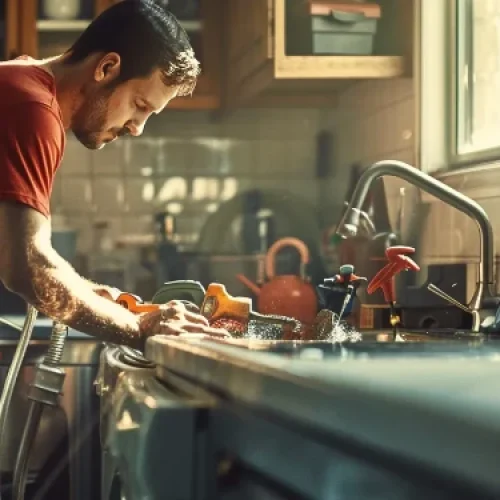
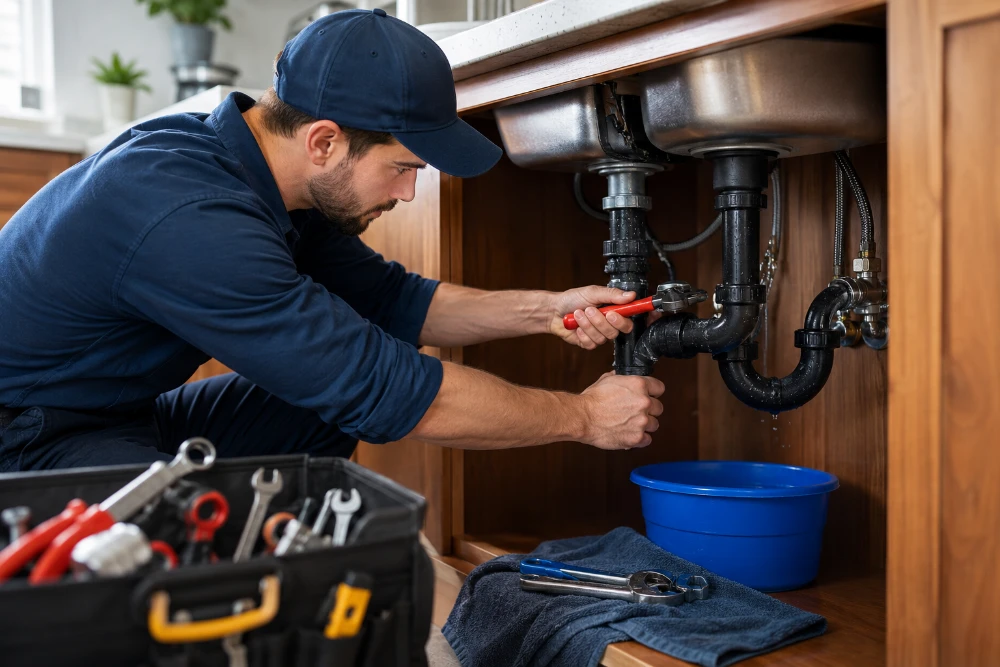
Water near a sink may come from a supply line, drain trap, or loose fixture seal. A damp wall may point to a hidden pipe or nearby bathroom line. The cause is not always where the water first appears. A careful service provider can trace the path without turning every concern into a large project.
Turn Off Water and Limit Damage
Once water appears, the main goal is to stop more water from spreading. The nearest shutoff valve can help control a fixture leak. For larger issues, the main valve may need to be closed. This quick step helps with damage control before repair work starts.
After water is off, towels, buckets, and airflow can help reduce moisture. Wet items should be moved from the area when safe. Photos of the damage may help with records and repair notes. Fast action can make cleanup easier and may help improve the final repair result.
Check Common Trouble Spots
Some plumbing areas tend to show problems first. Kitchens, bathrooms, water heaters, laundry rooms, and basements deserve close attention. Drips, stains, odors, and slow drains can all offer clues. Residential plumbing repair often starts with these high-use zones.
Signs That Need a Closer Look
They may point to leaks, drain trouble, or pipe wear. Watch for:
- Water stains under cabinets
- Low pressure
- Slow drains or repeat clogs
- Rusty from fixtures
- Damp spots near walls or floors
These signs mean the system needs a practical check. Small parts, worn seals, or loose fittings can create repeat issues. Early attention aids better control of repair scope.
Match the Repair to the Problem
The right fix depends on the cause, age, and location of the issue. A loose connection may need a small part, while a cracked pipe may need a section replaced. Drain trouble may call for safe clearing and a check of the line.
Residential plumbing care can also help compare repair and replacement options. Older pipes, repeat leaks, or corroded fittings may call for a longer-term plan. Clear notes from a service visit make future choices easier. A steady approach helps with cost control and fewer repeat calls.
Test the System After Repair
Water should run through the repaired fixture while nearby joints, shutoff valves, supply lines, and drains are checked closely. Pressure should feel steady, water should clear the drain at a normal pace, and no fresh damp spots should appear near the repair area. It also helps to watch the space for a short time after use, since slow leaks may take a while to show.
Cleanup also matters after plumbing work because moisture can stay hidden under cabinets, flooring, or wall edges. Damp surfaces should dry well to reduce odor, staining, and material damage over time. Any damaged drywall, flooring, trim, or cabinet base may need a separate review after the plumbing issue is fixed.
Find the source of the water, shut off the supply, review common trouble spots, match the repair to the actual issue, and test the result with care. Each step supports a cleaner path from the first sign of trouble to a steady fix. This process also helps reduce guesswork and keeps small concerns from turning into repeat problems. With the right review and practical care, the home’s plumbing system can stay easier to manage.
FAQs
The first step is to identify the source of the water and shut off the appropriate water supply. Acting quickly can help limit further damage.
Yes, even a minor leak can lead to mold growth, structural damage, and higher repair costs if left untreated.
Signs may include damp walls, unexplained water stains, musty odors, or a sudden increase in your water bill.
The main valve should be turned off if the leak is significant, difficult to locate, or causing water to spread throughout the home.
Kitchens, bathrooms, laundry rooms, basements, and water heater connections are among the most common trouble spots.
Low water pressure may result from leaks, pipe corrosion, clogged fixtures, or issues within the water supply system.
Not always, but recurring clogs or multiple slow drains can indicate a larger issue that should be inspected promptly.
After the repair, water should flow normally, drains should clear properly, and no new leaks or damp spots should appear.
Yes, drying affected areas helps prevent odors, mold growth, and further damage to flooring, cabinets, and walls.
Replacement may be the better choice when pipes are old, heavily corroded, or experiencing repeated leaks and failures.