This post contains affiliate links. As an Amazon Associate, I earn from qualifying purchases, at no extra cost to you. See our disclosure policy.
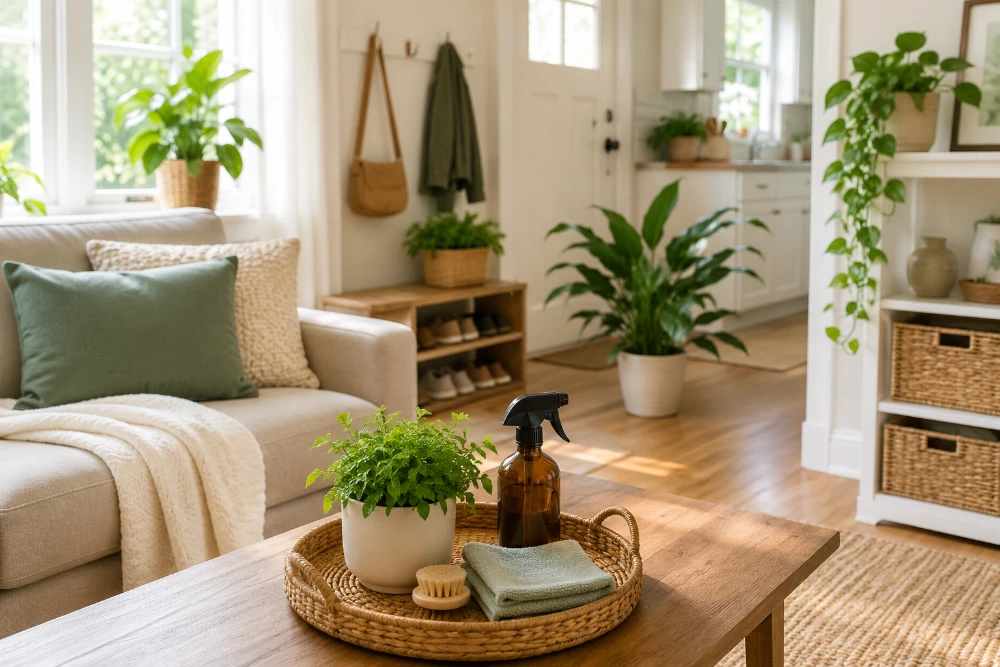
A fresh home does not come from one big clean. It comes from small resets done often. The aim is to reduce dirt, clutter, odours, and visual stress before they build up.
Housework takes real time. UN Women reports that women globally spend 2.8 more hours per day than men on unpaid care and domestic work. That includes cleaning, cooking, laundry, and household management.
A practical routine protects your time. It also stops the house from feeling like a constant project.
Use Help Where It Makes Sense
Some cleaning jobs drain time fast. Bathrooms, kitchens, floors, windows, and deep dusting can take hours, especially in busy family homes.
Hiring a cleaning service can help with heavy or recurring tasks when the workload becomes too much. It does not replace daily habits. It simply gives the home a cleaner baseline.
This is useful before guests, after renovations, during busy work periods, or when health and energy are limited.
Keep Daily Tasks Short
Daily cleaning should be small enough to finish quickly. Long lists usually fail.
Focus on the tasks that make the home feel fresher straight away:
- Open windows for airflow
- Clear kitchen counters
- Wipe the sink and taps
- Empty bins before they smell
- Put laundry in baskets
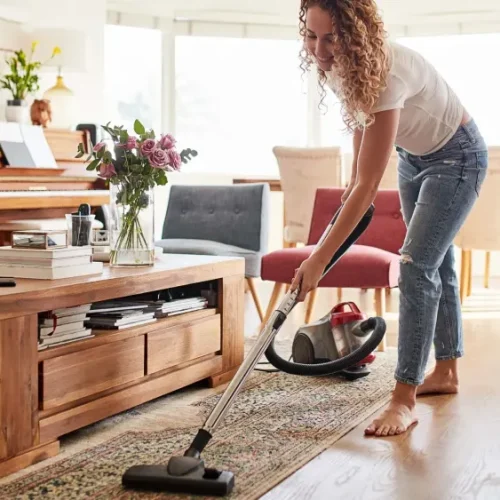
- Vacuum high-traffic areas
- Reset cushions and throws
- Clear the dining table
These jobs improve the feel of the home without taking over the day.
Control Clutter at Entry Points
Most mess starts near the door. Shoes, coats, bags, post, keys, and school items collect quickly.
Give every item a landing spot. Use hooks, trays, baskets, and slim shoe storage. Keep only current-season items near the entrance. Store the rest elsewhere.
A tidy entry makes the whole home feel calmer. It also reduces dirt tracked through the house.
Clean Surfaces Before They Look Dirty
Surfaces collect dust, crumbs, grease, and fingerprints before they appear dirty. Wiping them often is easier than scrubbing them later.
Kitchens need the most attention. Food residue creates odours and attracts pests. Bathrooms need regular moisture control to reduce limescale and mildew.
Use microfibre cloths and simple cleaners. Too many products create clutter under the sink.
Protect Busy Tables
Tables carry more wear than people notice. They hold meals, homework, crafts, laptops, parcels, and family admin. Protecting them makes cleaning faster.
Washable mats, trays, runners, and table covers help reduce stains, scratches, and sticky residue. They are especially useful for dining tables, craft areas, playrooms, and garden rooms.
Choose materials that wipe clean easily and suit daily use. A cover that is hard to clean becomes another chore.
Manage Odours at the Source
A fresh home should smell clean, not heavily scented. Candles and sprays can help, but they should not hide the cause.
Start with bins, drains, pet areas, laundry baskets, shoes, fridges, and soft furnishings. These are common odour sources.
Wash throws and cushion covers regularly. Sprinkle and vacuum rugs if needed. Keep fridge shelves wiped and remove old food before shopping.
Good ventilation matters. Open windows when weather allows. Use extractor fans during cooking and showers.
Make Laundry Less Overwhelming
Laundry becomes stressful when it moves around the house in piles. Use one simple flow. Collect, wash, dry, fold, and put away.
Avoid starting more loads than you can finish. Clean laundry left in baskets still creates visual clutter.
Keep stain remover near the laundry area. Treat marks quickly. This protects clothes and reduces repeat washing.
Use Weekly Zones
Weekly cleaning works best by zone. Instead of cleaning the whole house in one session, assign areas to different days.
For example, bathrooms on Monday, floors on Wednesday, bedding on Friday, and dusting on Sunday. This spreads effort across the week.
Zones also help families share tasks. Everyone can see what needs doing.
Keep Cleaning Supplies Visible but Tidy
If tools are hard to find, cleaning gets delayed. Store supplies close to where they are used.
Keep bathroom cleaner in the bathroom. Store cloths near the kitchen. Place a small vacuum or broom near high-crumb areas.
Use one container for the main cleaning kit. Replace empty products before they are needed.
Conclusion
A fresh and tidy home depends on systems, not perfection. Small daily resets, clean surfaces, controlled clutter, better airflow, and protected high-use areas make the biggest difference.
The best routine is one you can repeat. Keep it simple, share the work, and focus on the areas that affect daily comfort most.
FAQs
Small resets work best when done daily. Even 10 to 15 minutes can stop clutter and dirt from building up.
Open windows, clear visible clutter, empty bins, and wipe kitchen surfaces. These changes improve the space almost immediately.
They can help reduce workload, especially for deep cleaning or busy households. Daily habits still matter, but professional help creates a cleaner starting point.
Entry points collect shoes, bags, coats, keys, and post throughout the day. Simple storage systems help control the buildup.
Bins, drains, laundry, pet areas, and old food are common sources. Cleaning these areas regularly usually fixes the issue faster than air fresheners.
Use one consistent routine from washing to putting clothes away. Avoid starting loads you cannot finish the same day.
Focus on quick jobs like wiping counters, clearing tables, vacuuming busy areas, and emptying rubbish bins. These have the biggest visual impact.
No. A few reliable products and microfibre cloths are usually enough for most household cleaning tasks.
Fresh air reduces moisture, trapped smells, and stale indoor air. It also helps prevent mildew in kitchens and bathrooms.
Zone cleaning means assigning different areas of the home to specific days. It spreads the workload and makes cleaning feel more manageable.