
Every homeowner reaches a point where the space starts to feel tired. Paint dulls, fixtures wear down, and rooms that once felt fresh begin to show their age. The instinct to upgrade is natural, but the cost of doing so can spiral quickly when planning is rushed or driven by impulse. A well-managed home improvement project rewards patience, not speed, and the most satisfying results almost always come from people who took the time to think before they bought anything. Money stays in your pocket when decisions are made on paper first, then carried out on-site.
Replacing the Windows in Your Home
Few features influence comfort and energy use more than the openings that let light into a house. Windows do far more than frame a view, since old and drafty ones let warm air escape in winter and cool air slip out in summer, forcing the heating and cooling system to work harder year-round. Hire a local window company to assess the current frames, measure each opening accurately, and recommend replacements that suit the architecture of the property. Pick a team with a strong installation record, because even the best products underperform when fitted poorly. Proper sealing, careful handling of the trim, and clean alignment are what separate a lasting upgrade from one that needs revisiting in a few years.
Setting a Realistic Budget Before Anything Starts
Money troubles in home improvement almost always trace back to weak early planning. Walking into a project without a number in mind invites overspending, since every showroom and contractor will push toward the higher end of what they offer. Start by writing down what you can comfortably spend without touching emergency savings or essential monthly funds. Then break that figure into categories such as materials, labor, permits, and a small reserve for surprises that always show up halfway through the work. Around ten to fifteen percent set aside for the unexpected is a sensible cushion, because something will go sideways at some point.
Choosing What Actually Needs Doing
Wish lists and needs lists are not the same thing, and confusing them is one of the fastest ways to drain a budget. Walk through every room and write down what genuinely affects daily living. A leaking faucet, a cracked tile floor, or a cabinet door that no longer closes properly belongs near the top. Cosmetic touches like new accent walls or designer light fixtures can wait until the structural and functional items are sorted. When the priorities are clear, the spending naturally flows toward improvements that protect the house rather than ones that simply decorate it.
Comparing Quotes Carefully
Accepting the first estimate that lands in your inbox is rarely the smart move. Reach out to at least three providers for any meaningful job, and read each quote in full rather than scanning the bottom line. Some estimates leave out materials, permit fees, or cleanup costs, which means a low number on paper can easily turn into a much larger bill at the end. Ask each provider to itemize the work so you can see exactly what you are paying for and where the differences sit. A clear quote also tells you something about the contractor, since people who organize their pricing well tend to organize their work the same way.
Doing What You Can Without Risking the Outcome
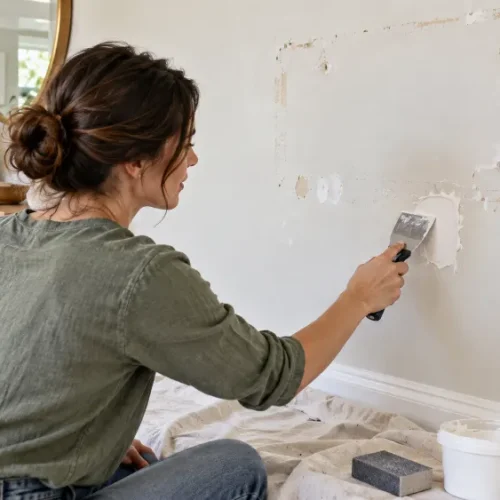
Sweat equity is one of the most underrated cost savers in home improvement. Painting walls, swapping out cabinet handles, installing peel-and-stick backsplash tiles, and simple landscaping are tasks most homeowners can handle with a weekend and a little patience. Save the technical work for the professionals, especially anything involving electrical wiring, plumbing connections, or structural changes. Trying to handle a job that requires permits or specialized skills almost always costs more in the long run, since fixing a botched attempt often runs higher than hiring the right person from the start.
Buying Materials at the Right Time
Timing your purchases can shave a noticeable amount off the final bill. Seasonal sales, holiday weekends, and end-of-year clearances often bring solid discounts on flooring, paint, tools, and appliances. Floor models and last-season stock at home improvement stores sell at reduced prices simply because the box is dented or a newer version is on the way. Online marketplaces and local resale platforms also turn up barely-used items from people who have finished their own projects with leftovers. Patience here pays off, since rushing to buy everything at once usually means paying full retail across the board.
Keeping the Scope From Creeping Outward
A small kitchen refresh can quietly turn into a full remodel if nobody keeps the scope in check. One new countertop leads to the thought that the cabinets look dated, which leads to the idea that the flooring should match, which leads to repainting the whole room. This pattern is called scope creep, and it is the silent killer of budgets everywhere. Write down what the project includes at the start, and refuse to expand it midway unless something genuinely critical comes up. If a new idea is worth pursuing, save it for the next round of work rather than folding it into the current one.
Tracking Spending as the Work Happens
A budget set at the start means nothing if nobody checks it along the way. Keep a simple spreadsheet or even a notebook with every expense logged as it occurs, including the small purchases that feel insignificant at the time. Coffee runs, hardware store top-ups, and last-minute tool buys add up faster than most people expect. Reviewing the totals once a week gives you a chance to course-correct before things get out of hand. The homeowners who finish under budget are almost always the ones who treated tracking as part of the project itself, not an afterthought.
A successful home improvement project is not about spending the least amount of money possible. It is about spending wisely on the things that matter and avoiding waste on the things that do not. Discipline at the planning stage, honesty about what the home actually needs, and steady attention to the numbers throughout the job are what turn a stressful renovation into a satisfying one.