
A clean home should make your life easier, not take over your weekend.
Many people spend Saturday and Sunday trying to catch up on laundry, bathrooms, floors, dishes, and clutter. By the time the work is done, there is little time left to relax or enjoy the home they worked so hard to clean.
The good news is that keeping your home clean does not have to mean spending hours every weekend doing chores.
With a few simple habits, a realistic routine, and the right priorities, you can keep your home feeling calm without giving up your free time.
Stop Trying to Clean Everything at Once
One of the biggest mistakes people make is saving every cleaning task for the weekend.
After a busy week, it feels like the entire house needs attention. Floors need vacuuming, bathrooms need scrubbing, laundry has piled up, and every room seems to need organizing.
Instead of spending your entire weekend catching up, think about spreading small tasks throughout the week.
If you are considering getting help with the deeper cleaning jobs, it may be useful to read a review of Homeaglow before deciding whether a professional cleaning service fits your routine. Many people find that occasional help allows them to focus on daily maintenance instead of spending every weekend deep cleaning.
A calmer home often starts with a smarter plan rather than working harder.
Focus on Daily Resets
Your goal is not to deep clean every day.
Instead, spend ten to fifteen minutes resetting the main areas of your home.
Clear the kitchen counters after dinner.
Load the dishwasher before bed.
Fold blankets in the living room.
Put shoes back near the door.
Take dirty clothes to the laundry basket.
These small resets keep clutter from growing into larger cleaning sessions later.
When each day ends with a quick reset, weekends feel much lighter.
Make the Bed Every Morning
Making the bed is one of the simplest habits you can build.
It only takes a few minutes, yet it instantly makes the bedroom feel cleaner.
Even if nothing else gets done that day, a made bed helps the room feel organized.
You do not need decorative pillows or expensive bedding.
Simply straighten the sheets, smooth the blanket, and fluff the pillows.
It is a small task that creates a noticeable difference.
Clean While You Cook
The kitchen is easier to maintain when you clean during meal preparation.
Instead of leaving dishes and spills until later, wash mixing bowls while food cooks.
Wipe counters after using them.
Put ingredients away as soon as you finish.
Load dishes directly into the dishwasher instead of stacking them in the sink.
When dinner is over, most of the cleanup is already done.
This simple habit saves time every evening.
Give Every Item a Home
Clutter grows when everyday items do not have a designated place.
Take time to decide where common items belong.
Shoes go by the door.
Keys stay in a tray.
Mail has one basket.
Chargers stay in one drawer.
Blankets belong in a basket.
When everyone knows where things go, putting them away becomes much easier.
Cleaning becomes faster because you spend less time deciding where everything belongs.
Use the One Minute Rule
If something takes about one minute to finish, do it immediately.
Hang up your jacket.
Throw away junk mail.
Wipe the bathroom sink.
Put your coffee mug in the dishwasher.
Fold a blanket.
These tiny tasks seem unimportant by themselves, but together they prevent clutter from building throughout the week.
Keep Cleaning Supplies Nearby
Make cleaning convenient.
Store bathroom cleaner inside each bathroom.
Keep disinfecting wipes where they are easy to reach.
Have a handheld vacuum nearby if possible.
When supplies are close, you are more likely to clean small messes immediately.
This prevents larger cleaning jobs later.
Convenience encourages consistency.
Rotate Weekly Tasks
Not every cleaning task needs to happen every weekend.
Instead, assign different tasks to different days.
Monday might be laundry.
Tuesday could be bathrooms.
Wednesday could focus on vacuuming.
Thursday may be dusting.
Friday can be a quick whole house reset.
Breaking cleaning into smaller pieces makes each day easier.
Your weekends stay open for family, hobbies, or rest.
Keep Counters Mostly Clear
Kitchen and bathroom counters quickly collect clutter.
Mail, chargers, grocery bags, paperwork, beauty products, and random household items pile up throughout the week.
Try to leave only the items you actually use every day.
Open counters make the home look cleaner even before you begin wiping them down.
They also make daily cleaning much faster.
Use Baskets for Quick Cleanup
Baskets can save time.
Keep one in the living room, one near the stairs, and one in busy family areas.
Throughout the day, place misplaced items into the basket.
Later, spend a few minutes returning everything to its proper room.
This prevents clutter from spreading while avoiding constant trips throughout the house.
Handle Laundry in Small Loads
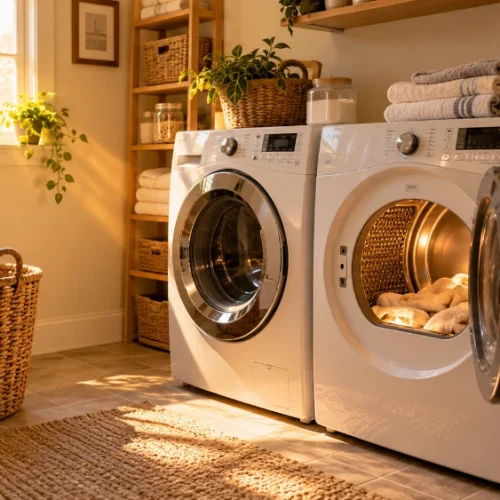
Laundry becomes overwhelming when it waits until the weekend.
Instead of washing everything at once, do smaller loads throughout the week.
A single load is much easier to wash, dry, fold, and put away than several overflowing baskets.
Keeping up with laundry also prevents bedrooms from becoming cluttered.
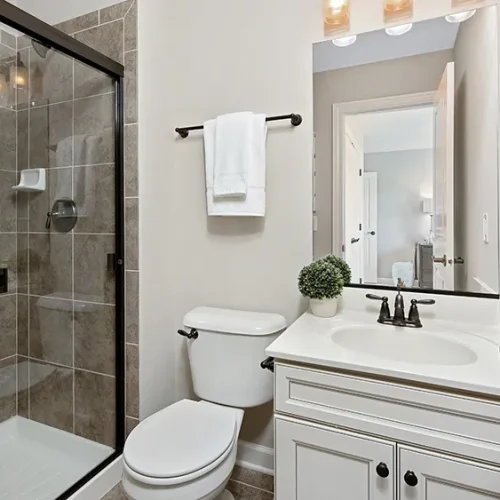
Keep Bathroom Cleaning Simple
Bathrooms do not need long cleaning sessions every week.
Wipe the sink every few days.
Use a toilet brush regularly.
Hang towels neatly.
Keep personal products stored inside cabinets whenever possible.
A few minutes every week prevents deep scrubbing later.
Small habits protect the clean feeling.
Vacuum High Traffic Areas Often
You do not always need to vacuum the entire house.
Focus first on the busiest spaces.
The entryway.
The living room.
The hallway.
The kitchen.
These areas collect the most dirt and crumbs.
Quickly vacuuming them once or twice during the week often makes the whole house feel cleaner.
Create Evening Closing Routines
Restaurants close by cleaning before everyone leaves.
Homes can benefit from the same idea.
Before bed, spend a few minutes preparing the house for tomorrow.
Run the dishwasher.
Wipe the counters.
Fold blankets.
Turn off lights.
Take out the trash if needed.
Straighten pillows.
A clean home feels much better to wake up to.
Morning routines become easier because you start with a fresh space.
Let Family Members Help
Cleaning should not fall on one person.
Even young children can put toys away, place laundry in baskets, or wipe small surfaces.
Older children can vacuum, empty trash, or help with dishes.
Partners should divide responsibilities fairly.
A shared home should include shared maintenance.
Working together keeps everyone from feeling overwhelmed.
Stop Chasing Perfection
Many people believe every room must always look perfect.
That expectation creates stress.
Instead, aim for clean enough.
Some laundry waiting to be folded is normal.
A few toys in the play area are normal.
A book on the coffee table is normal.
A home should support real life.
Focus on cleanliness and comfort instead of perfection.
Reduce What You Own
The fewer unnecessary items you own, the less you have to clean.
Look around your home.
Are there decorations collecting dust that you no longer enjoy?
Kitchen gadgets you never use?
Clothes you never wear?
Extra furniture making rooms harder to clean?
Decluttering once can reduce cleaning work for years.
Less stuff means fewer surfaces to dust and fewer items to organize.
Keep Entryways Organized
Most household clutter enters through the front door.
Create a simple landing area.
Use hooks for bags.
Add a tray for keys.
Keep shoes in one location.
Sort mail immediately.
Preventing clutter from spreading beyond the entryway makes the entire home easier to maintain.
Make Cleaning Part of Daily Life
Instead of viewing cleaning as a separate weekend project, make it part of your normal routine.
Wipe the bathroom mirror after brushing your teeth.
Sweep while dinner cooks.
Fold blankets after watching television.
Return dishes whenever you leave the room.
These habits take only moments because they happen naturally throughout the day.
Cleaning becomes almost invisible.
Schedule Time for Rest
A calm home should support your wellbeing.
Do not fill every free hour with chores.
Choose a reasonable stopping point.
When your basic cleaning routine is working, allow yourself time to relax.
Read a book.
Watch a movie.
Spend time with family.
Go outside.
Enjoy the clean home you worked to maintain.
A home should improve your life, not become another source of stress.
Small Habits Build a Calm Home
Creating a calm and clean home does not require spending every weekend scrubbing floors or organizing closets.
It starts with consistent daily habits.
Reset rooms each evening.
Keep counters clear.
Clean small messes right away.
Share responsibilities.
Declutter regularly.
Spread larger chores throughout the week instead of saving everything for Saturday and Sunday.
These simple changes reduce stress while giving you back valuable free time.
A calm home is not created by cleaning harder.
It is created by building routines that are easy to maintain.
When your home supports your daily life instead of competing with it, you can spend less time doing chores and more time enjoying the space you call home.