This post contains affiliate links. As an Amazon Associate, I earn from qualifying purchases, at no extra cost to you. See our disclosure policy.
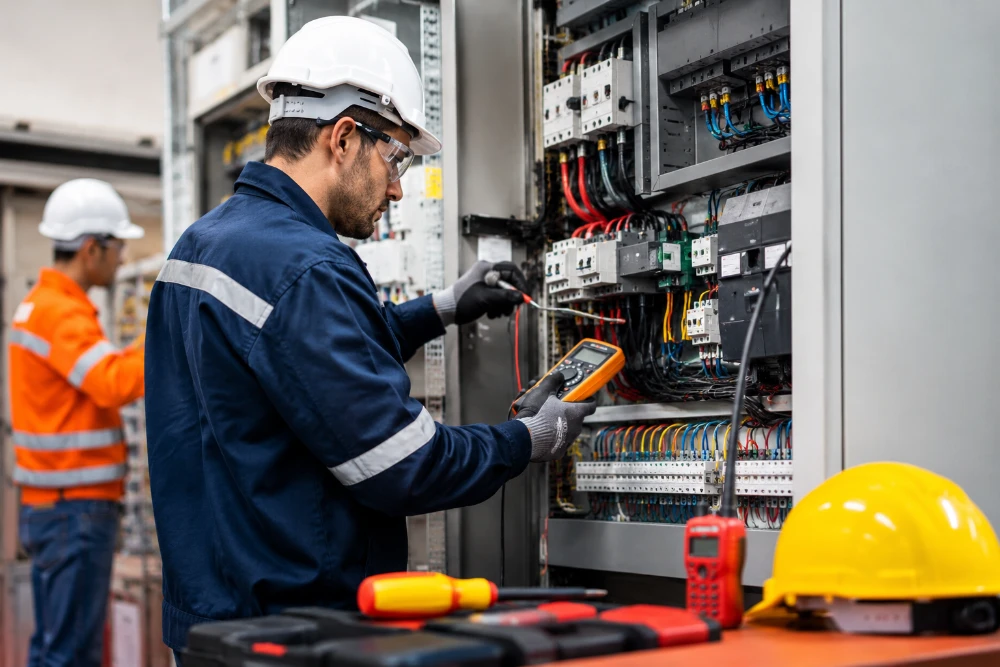
Electrical jobsites carry serious hazards because workers handle live circuits, heavy equipment, elevated platforms, and sensitive power systems. A single loose connection, damaged tool, or missed warning sign can lead to shock, burns, fire, or costly downtime. Strong safety practices and risk management help crews work with steady focus while keeping people, property, and project schedules protected.
Every skilled national electrical contractor operates under industry safety frameworks that require reviewing site conditions, identifying hazards, assigning qualified workers, and confirming that the right PPE is available. This preparation reduces confusion on active job sites and helps each person understand the risks tied to the task in front of them.
Essential Safety Controls For Electrical Work
Electrical work leaves little room for guessing. Energized panels, exposed wiring, temporary power sources, and confined spaces can become dangerous when safety steps are skipped. Clear controls help workers avoid direct contact with electrical energy and reduce the chance of equipment failure.
Safety controls also protect the entire jobsite. Poor cable placement can create trip hazards, overloaded circuits can start fires, and unmarked work zones can put nearby workers at risk. A clean, organized, and well-supervised site supports safer movement and better decision-making.
Common Risks That Must Be Managed
Electrical crews must pay close attention to hazards that appear during daily work, including:
- Exposed conductors, damaged cords, and loose connections
- Wet surfaces near electrical tools or temporary power
- Missing lockout/tagout (LOTO) procedures during maintenance
- Overloaded circuits, overheated components, and poor grounding
How Risk Management Protects Electrical Crews
Risk management gives teams a practical way to prevent accidents instead of reacting after damage occurs. It starts with hazard identification, continues through task planning, and stays active during the entire job. Supervisors use this process to match the right worker, tool, and procedure to each electrical task.
A dependable national electrical contractor treats risk reviews as part of everyday site operations. Job briefings, permit checks, equipment inspections, and emergency plans keep everyone aware of changing conditions. This steady attention helps crews respond quickly when weather, access, or system status changes.
Safety Practices That Reduce Jobsite Incidents
Strong electrical safety depends on consistent habits, including:
- Wearing insulated gloves, eye protection, flame-resistant clothing, and proper footwear
- Testing circuits with a meter before contact and verifying de-energized status, per NFPA 70E
- Keeping tools maintained, rated, and suitable for electrical work
- Reporting hazards immediately instead of working around them
Training And Accountability In Electrical Safety
Training helps workers understand how electrical hazards develop and how to control them. Skilled crews know how to read warning signs, follow lockout procedures, use testing devices, and keep safe distances from energized parts. Refresher training keeps safety knowledge current as tools, codes, and site conditions change.
Accountability keeps safety standards active throughout the project. Supervisors must correct unsafe behavior, document concerns, and make sure procedures are followed every day. Workers also need the confidence to pause a task when conditions feel unsafe.
Where To Find Reliable Electrical Safety Guidelines And Risk Management Resources
Access to well-structured safety guidelines helps teams understand how to manage electrical hazards effectively. Trusted informational platforms provide detailed standards, checklists, and procedural insights that support safer jobsite planning and execution. These resources help crews stay aligned with current safety expectations, improve hazard awareness, and maintain consistent practices across projects.
Safety and risk management are critical on electrical jobsites because they prevent injuries, fires, equipment damage, and avoidable delays. Careful planning, qualified workers, reliable protective gear, and daily hazard reviews create a safer work environment. Electrical projects run better when safety is built into every task from the start.
FAQs
Risk management is the process of identifying hazards, evaluating potential dangers, and applying safety controls to reduce accidents and equipment damage.
PPE helps protect workers from electric shock, arc flashes, burns, falling objects, and other jobsite hazards that can cause serious injuries.
Lockout/tagout is a safety procedure used to isolate electrical energy sources during maintenance so equipment cannot be accidentally energized.
Electrical tools should be inspected before use and routinely throughout the project to identify damaged cords, worn components, or unsafe conditions.
Daily safety briefings help crews review hazards, discuss task-specific risks, and stay aware of changing site conditions before work begins.
Common causes include exposed wiring, overloaded circuits, poor grounding, wet conditions, damaged tools, and failure to follow safety procedures.
Training teaches workers how to recognize hazards, use protective equipment properly, follow procedures, and respond safely during emergencies.
Clean and organized work areas reduce trip hazards, improve access to equipment, and help crews move safely around energized systems.
Supervisors enforce safety standards, monitor work practices, conduct inspections, and address unsafe behavior before incidents occur.
Safety planning helps crews identify risks early, assign qualified workers, prepare protective equipment, and prevent delays or accidents during the project.