Every homeowner likes to believe their property will be the exception: well-priced, well-presented, and snapped up quickly. But in reality, plenty of homes sit on the market for weeks or even months, often with little more than a few viewings and a string of vague feedback.
It’s easy to blame “the market,” and sometimes that’s fair. Higher borrowing costs, nervous buyers, and seasonal slowdowns all play a part. But those broad conditions rarely tell the whole story. In the same street, one home can go under offer in ten days while another lingers for a season. So what gives?
Usually, it comes down to a mix of strategy, perception, and friction. Homes don’t just fail to sell because they’re bad properties. More often, they fail to connect with the right buyers in the right way at the right moment.
Pricing Is Still the Biggest Lever
The market decides value, not memory
The most common reason a home sits unsold is simple: it’s overpriced.
That doesn’t always mean wildly unrealistic. In many cases, the asking price is just 5 to 10 percent above where buyers see value. But in a cautious market, that gap matters. Buyers have more data than ever. They compare sold prices, track reductions, and notice how long listings have been active. If a property feels expensive relative to nearby alternatives, they move on quickly.
Sellers often anchor to what they “need” to achieve or what a neighbour got eighteen months ago. The market, unfortunately, doesn’t care about either. It reacts to present demand, current mortgage affordability, and how a property stacks up today.
Overpricing creates a stale listing effect
There’s another problem with starting too high: it can damage momentum. Fresh listings get the most attention in the first couple of weeks. If the property doesn’t generate serious interest early, buyers begin to wonder what’s wrong with it. Even a later price cut may not fully undo that first impression.
This is why some sellers, especially those dealing with a time-sensitive move, inheritance property, or financial pressure, start exploring alternatives to the open market. In situations where certainty matters more than maximising every last pound, some owners look for ways to sell residential property quickly for cash offers rather than wait through a long and uncertain sales cycle.
Presentation Matters More Than Sellers Think
A home doesn’t need to be magazine-perfect to sell well. But it does need to feel clean, coherent, and easy to imagine living in.
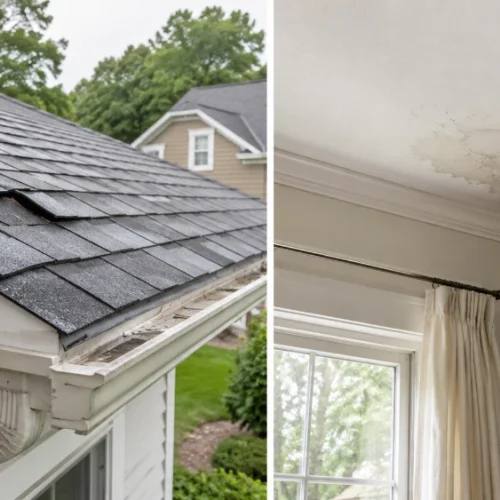
Buyers are heavily influenced by emotion, even when they think they’re being rational. Dark rooms, bulky furniture, loud décor, and deferred maintenance all create noise. They make it harder for someone to picture the home as theirs.
The Small Signals That Put Buyers Off
Photos, layout, and first impressions
A surprising number of listings are undermined before a viewing even happens. Poor photography, awkward room angles, missing floorplans, or vague descriptions can all reduce click-through and enquiry rates. If buyers are scrolling through dozens of homes online, yours has only seconds to hold attention.
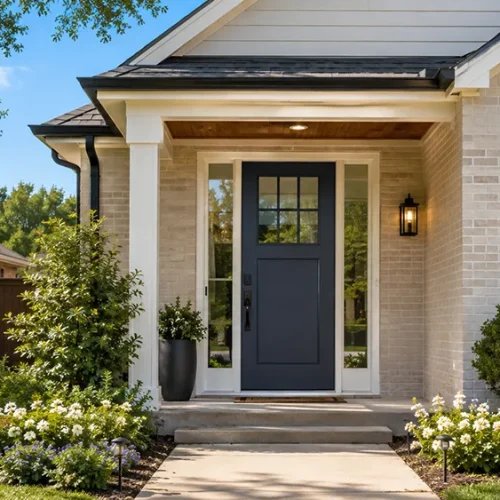
Then there’s kerb appeal. You don’t need a landscaped front garden, but peeling paint, overflowing bins, or a tired entrance suggest neglect. Buyers notice these details because they assume visible issues hint at hidden ones.
Clutter creates doubt
Clutter is not just a visual issue. It changes how a space feels. Rooms look smaller, storage appears limited, and buyers begin mentally adding up the cost and effort of making the home work for them.
That hesitation matters. Most buyers won’t say, “It was the crowded spare room that stopped me offering.” They’ll simply say it “wasn’t quite right.”
Poor Positioning Can Shrink Your Buyer Pool
Some homes don’t have a pricing problem or a presentation problem. They have a positioning problem.
A three-bedroom terrace near excellent schools should be marketed differently from a city flat aimed at first-time buyers or investors. If the listing doesn’t clearly speak to the most likely buyer, the home risks getting lost.
The same goes for timing and messaging. A property that needs updating may perform better when honestly presented as a chance to add value, rather than dressed up with language buyers won’t believe. Transparency builds trust. Overstatement does the opposite.
Access and Process Friction Can Kill Interest
Even motivated buyers can drift away if viewing a home feels difficult.
Restricted viewing times, slow follow-up, unclear communication, or sellers who seem unwilling to negotiate all create friction. In competitive markets, buyers often make decisions fast. If arranging a second viewing takes a week, they may already be pursuing another property.
There are a few common process issues that repeatedly stall sales:
- limited viewing availability
- unresolved legal or leasehold complications
- unclear chain position
- slow responses to buyer questions
None of these are glamorous problems, but they matter. Buyers tend to interpret delays as warning signs.
Location Isn’t Everything — Micro-Location Is
People often say buyers can change the décor but not the location. True enough. But “location” is more nuanced than postcode alone.
Two homes in the same area can perform very differently depending on road noise, parking pressure, school catchments, future development nearby, or even the feel of the immediate street. Sellers sometimes assume broad area demand will carry them. Buyers, on the other hand, judge the experience at a much more local level.
If a property has a micro-location drawback, the answer usually isn’t denial. It’s adjustment. That may mean sharper pricing, stronger presentation, or clearer buyer targeting.
When the Market Speaks, Listen Early
One of the biggest mistakes sellers make is waiting too long to react.
If viewings are happening but no offers are coming in, buyers are telling you something. If there are hardly any viewings, the market is telling you something else. Either way, silence is feedback.
The smart move is to assess the full picture early:
pricing, photos, property condition, buyer fit, and sales process. Too often, sellers treat a lack of progress as temporary bad luck, when in fact the listing needs a strategic reset.
A Slow Sale Usually Has Explainable Causes
Homes rarely sit unsold for no reason. Behind almost every stalled listing is a combination of mismatched price, weak presentation, unclear positioning, or preventable friction in the process.
That should be encouraging. It means a slow sale is not always a mystery, and it’s not always a verdict on the property itself. More often, it’s a sign that the market isn’t seeing the home in the way the seller hoped.
When that happens, the goal isn’t to panic. It’s to diagnose honestly, adjust quickly, and choose the route that fits your priorities. Because in property, delay is expensive, but clarity is powerful.