This post contains affiliate links. As an Amazon Associate, I earn from qualifying purchases, at no extra cost to you. See our disclosure policy.
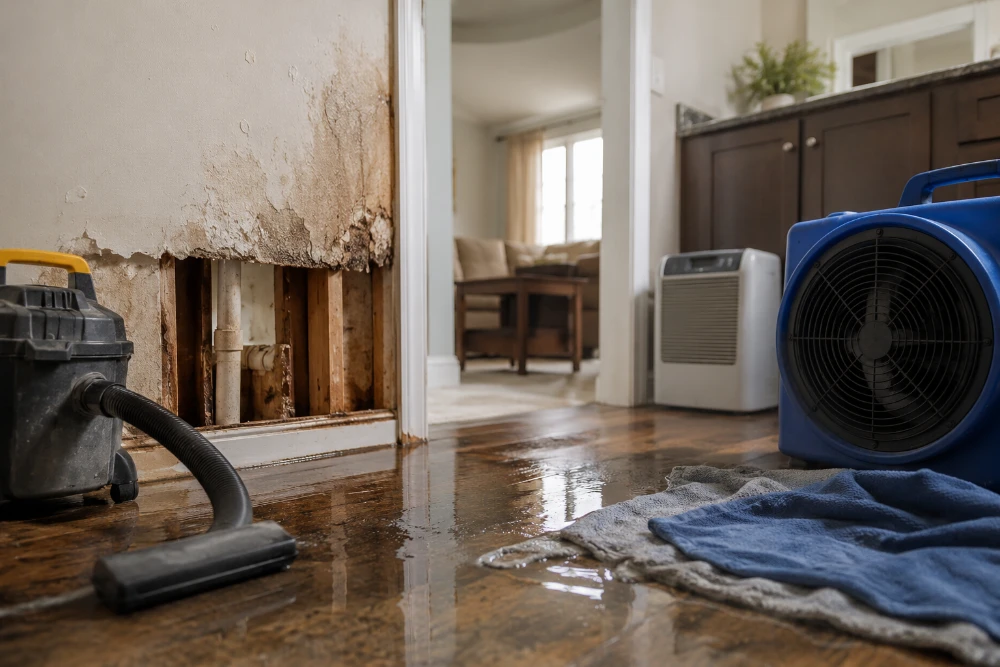
There’s a lot you can handle yourself, and a few moments when the smartest DIY move is knowing when to call in help. Here’s how to tell the difference.
If you love doing things yourself, your instinct when something goes wrong in your home is probably to grab a towel, a fan, and a YouTube tutorial and get to work. Most of the time, that instinct is exactly right. A small spill, a dripping trap, a damp corner caught early, these are well within the reach of a capable homeowner with a shop vac and a little patience. But water damage has a way of looking smaller than it is, and the one area where even the most committed DIYer should know their limits is moisture that has gone deeper than the surface. This is an honest guide to what you can handle and when to wave the white flag.
What you can absolutely handle yourself
Plenty of water situations are genuinely DIY territory, and handling them well comes down to speed:
- A clean-water spill caught quickly, from an overflowing sink, tub, or pet bowl. Soak it up, dry the area, and get air moving.
- A minor appliance drip you notice early. Stop the water, dry underneath, and fix or replace the failing part.
- Condensation and humidity problems. A dehumidifier, better ventilation, and pulling furniture off exterior walls solve a lot.
- Routine prevention. Replacing supply hoses, re-caulking a tub, cleaning gutters, and adding leak sensors are all satisfying weekend wins.
The common thread is that the water is clean, the area is small, and you caught it fast. In those cases, your quick response is genuinely all it takes.
The signs it’s bigger than a DIY job
Here is where honesty matters. Water is sneaky. It hides under floors and inside walls, and a surface that looks dry can sit over a soaked subfloor or a wet wall cavity. Treat these as signs the job has outgrown a fan and a towel:
- A musty smell that lingers after everything looks dry, often the first clue to hidden moisture or mold.
- Drywall that is soft, stained, or swollen, or paint that bubbles, meaning water is in the material itself.
- Flooring that cups, lifts, or sounds hollow, a sign water reached the subfloor.
- A large area, or water that came from a contaminated source like a sewage backup, which is a genuine health hazard.
- Any situation where you suspect water has been sitting for more than a day or two.
Why calling for help is the smart DIY move
There is nothing un-handy about knowing when a problem needs equipment you do not own. The reason professionals exist for serious water damage is that they can find and remove moisture you simply cannot reach. Moisture meters and thermal cameras reveal water hidden inside walls and under floors, and commercial-grade drying equipment pulls that moisture out of structural materials before it causes rot or mold, something household fans cannot do for a saturated wall.
For anything beyond a small, clean, quickly-caught spill, bringing in a professional water damage restoration in Denver team early is often what saves your floors, your walls, and your weekend. Response time is everything, so it pays to call a crew that actually serves your area — whether that is water damage restoration in Aurora or Lakewood, where a local team can be on site within hours. They can also tell you honestly what can be dried and saved versus what truly needs to be replaced, which sometimes means less demolition, not more. The goal of doing it yourself was never to do everything alone; it was to make smart decisions about your home. Sometimes the smartest one is a phone call.
Build your own water-emergency kit
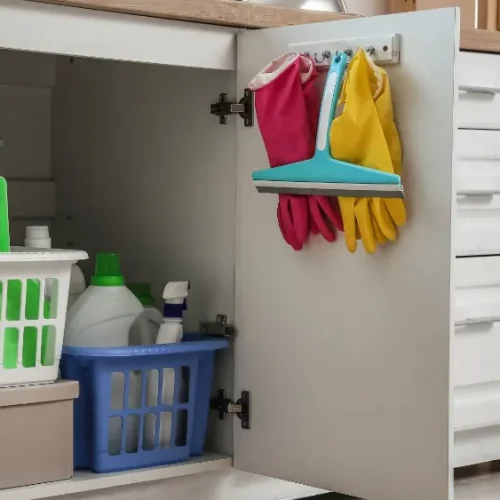
One of the most satisfying DIY projects is the one that saves you on your worst day. Put together a small water-emergency kit and keep it somewhere you can grab it fast. It does not need to be elaborate:
- A wet/dry shop vacuum, the single most useful tool for removing standing water quickly.
- A couple of box fans and, ideally, a small dehumidifier for drying afterward.
- Old towels, a mop, and a few rolls of paper towels for soaking up and cleaning.
- A headlamp or flashlight, because water problems love to happen at night or in dark crawl spaces.
- A note, taped inside a cabinet, showing where your main water shutoff is and how to turn it off.
- Inexpensive water-leak sensors to place near the water heater, washing machine, and under sinks.
Assembling this kit is a one-afternoon job, and the first time a hose lets go while you are home, you will be glad the tools are already in the closet instead of on a shopping list.
Prevention projects that are genuinely satisfying
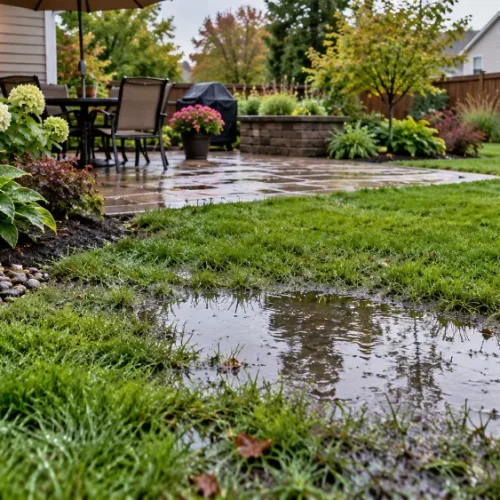
If you would rather prevent water drama than respond to it, there is plenty of rewarding weekend work to do. Swapping rubber washing-machine hoses for braided stainless steel takes fifteen minutes and removes one of the most common causes of household floods. Re-caulking a tub or shower is a cheap, high-impact project that keeps water from sneaking into the subfloor. Cleaning gutters and extending downspouts so they carry water well away from the foundation protects your basement every time it rains. And walking the perimeter of your home to confirm the ground slopes away from it, rather than toward it, costs nothing and tells you a great deal. These are exactly the kind of small, tangible projects that make a home feel cared for.
Back to the fun part
Once the water is truly gone and the structure is dry, you are back in your wheelhouse, patching, painting, refinishing, and making the space yours again. Handling water damage well is really about protecting the home you have put so much of yourself into, so that all that creativity and effort does not get quietly undermined by moisture behind a wall. Move fast on the small stuff, know the signs of the big stuff, and you will keep your home, and your DIY spirit, intact.