This post contains affiliate links. As an Amazon Associate, I earn from qualifying purchases, at no extra cost to you. See our disclosure policy.
You picked the color, painted the wall, and stepped back, and something is just wrong. It looked perfect on the chip. Now it looks nothing like what you imagined. Before you buy another tin and start over, here are the seven real reasons paint color goes wrong and what to actually do about each one.
| Reason Your Paint Looks Off | What’s Happening | Quick Fix |
| Wrong lighting | Light changes how color is read completely | Test the color under actual room lighting before committing |
| Choose a color in the wrong light | Shop lighting bears no resemblance to home lighting | Take samples home and live with them for 48 hours |
| Undertones clashing | Hidden undertones fight the room’s existing tones | Identify undertones before buying and test against fixed elements |
| Wrong sheen level | Finish affects how color reflects and reads | Match the sheen to the room function and light levels |
| Poor surface prep | Texture and old paint distort the final color | Prime properly and fix surface issues before painting |
| Only one coat | One coat rarely shows true color | Always apply two coats minimum on a properly primed surface |
| Fixed elements clashing | Floor, furniture, and trim pull color in the wrong directions | Choose paint color last, after accounting for everything fixed in the room |
Your Lighting Is Doing All the Wrong Things
1. How Natural and Artificial Light Change Paint Color Completely
This is the number one reason a paint color looks wrong and the one most people never think about until after the walls are done. Light does not just illuminate color; it actively changes it.
A warm yellow light makes cool grey paint look green. A cool blue-white light makes warm beige look flat and dull. North-facing rooms with limited natural light make colors look darker and more saturated than they did in the shop.
South-facing rooms flood with warm light that shifts cool colors warmer throughout the day. The paint has not changed. The light is doing all of it.
2. Why the Same Paint Looks Different at Different Times of Day
Natural light shifts dramatically from morning to afternoon to evening. A color that looks crisp and clean at 9 am can look washed out by midday and completely different again under artificial light at night.
The fix starts with understanding what kind of light your room actually gets and when you spend most of your time in it. If you are repainting or choosing a new color, the lighting in the room needs to be part of that decision — not an afterthought.
Getting the right lighting setup in place before or alongside painting makes an enormous difference to how the final color reads. Specifically designed linear light fixtures give you consistent, controllable light that stops the color shifting unpredictably throughout the day and under different conditions, one of the more practical upgrades you can make to a room that makes color decisions significantly easier and more reliable.
You Choose the Color Under the Wrong Light
1. Why Picking Paint in a Bright Shop or on a Small Chip Never Works
Paint shops are lit with bright, often cool-white overhead lighting designed to show products clearly and not to replicate the lighting in your home.
When you hold a small paint chip up in that environment and think, “Yes, that’s the one,” you are making a decision based on conditions that have almost nothing to do with what the color will look like on your actual walls.
The chip is also tiny. Color perception changes significantly with surface area. A color that looks soft and subtle on a 5cm chip can look completely different when covering an entire wall.
The larger the surface, the more intense the color appears. This is called the area effect, and it catches almost everyone at some point.
2. How to Test Paint Color Properly Before Committing
The only reliable way to choose a paint color is to test it at home, on the actual wall, in the actual light the room gets. Buy sample pots, not chips, and paint at least an A3-sized patch directly onto the wall in the room you are painting.
Leave it for 48 hours and look at it at different times of day and under your artificial lighting at night.
If you are testing multiple colors, paint them side by side on the same wall. Do not test on different walls or in different rooms; the light varies too much, and the comparison becomes meaningless.
The Sheen Level Is Wrong for the Space
1. How Different Finishes Change How Color Reads
Sheen is one of those things that sounds like a minor technical detail until you paint an entire room in the wrong sheen and realize it changes everything. A matte finish absorbs light, making colors look softer, deeper, and more muted, and it reads beautifully in bedrooms and low-traffic living spaces.
Eggshell has a slight sheen that adds a little life to the color without making it reflective. Satin is noticeably shinier and makes colors look brighter and slightly lighter than they appear in matte.
Gloss is the most reflective and changes color most dramatically, often making colors look significantly lighter and very different from what you tested. The same color in matte versus satin can look like two completely different paints on the wall. This surprises people constantly.
2. Which Sheen Works Best in Which Room
As a general guide, use matte and eggshell for bedrooms, living rooms, and feature walls where you want depth and softness.
Satin for kitchens, bathrooms, hallways, and kids’ rooms where you need durability and easy cleaning. Gloss for trim, doors, and architectural details for definition and contrast.
Using the right sheen for the right space means the color reads the way it was supposed to, rather than looking brighter, flatter, or more washed out than expected.
The Wall Surface Wasn’t Properly Prepared
1. How Texture, Old Paint, and Poor Priming Affect Color Accuracy
Paint applied to a poorly prepared surface never looks the way it should. Existing texture creates shadows that make colors look uneven and patchy.
Old paint that has not been properly cleaned or sanded means the new paint bonds inconsistently, creating subtle variations in how the color reads across the wall.
Skipping primer, especially when going from a dark color to a light one or painting over bare plaster, means the surface absorbs paint unevenly, which directly affects the final color.
2. What Proper Preparation Looks Like Before Painting
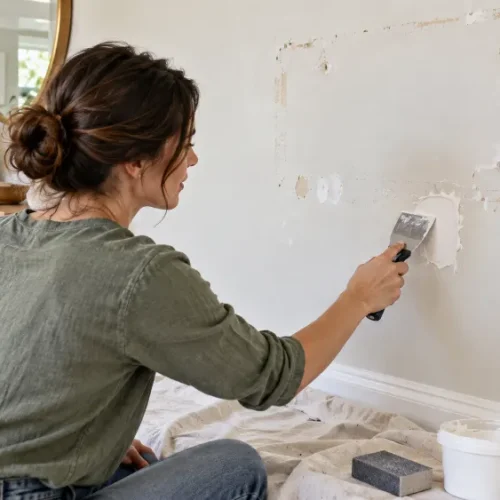
Clean the walls thoroughly first, then use sugar soap to remove grease, dust, and residue that prevent paint from bonding properly.
Fill any holes or cracks and sand them smooth once dry. Sand glossy surfaces lightly so the new paint has something to grip onto. Apply a proper primer suited to the surface, like bare plaster, previously painted walls, and stained surfaces, all of which need different primers.
Done properly, preparation takes longer than the painting itself. But it is the difference between a result that looks professional and one that looks like a DIY job that went slightly wrong.
The Room’s Fixed Elements Are Clashing With the Color
1. How Flooring, Furniture, and Trim Pull Paint Color in Unexpected Directions
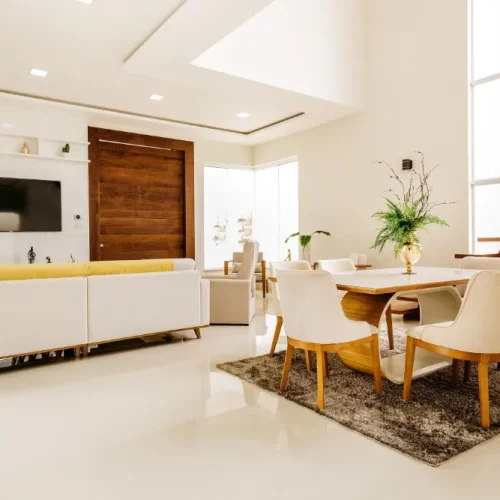
Paint color does not exist in isolation. It sits alongside the flooring, furniture, curtains, and trim that are already in the room, and all of those elements have their own undertones and color temperatures that interact with the wall color.
Warm oak flooring pulls cool gray paint warmer. Cool white trim makes a warm cream wall look yellow by comparison. Dark furniture in a small room makes even a light paint color read darker than it is.
This is why a color that looked perfect on a sample board in the shop can look completely wrong once you are standing in the actual room, surrounded by everything already there.
2. How to Choose a Paint Color That Works With What Is Already in the Room
Choose a paint color that lasts after you have accounted for everything fixed in the room that you are not changing. Pull the undertones from your flooring and furniture and use those as your guide for which direction to take the wall color.
If everything in the room is warm-toned, go warm on the walls or choose a neutral that leans warm. If you mix warm walls with cool fixed elements, you will spend a long time trying to fix something that was wrong from the start.
Getting the lighting right in the room is also part of making the paint color work with the fixed elements. If you are looking for Quality Lightning and Interior Decor Accessories in Canada, specialized solutions can bring out the best in interior spaces, ensuring your chosen color looks as good at night as it does in daylight.
Closing: It Is Almost Never the Paint
Paint color problems are frustrating because they seem simple. You picked a color, and you painted a wall. Why doesn’t it look right? But color is not simple. It changes with light, with surface, with sheen, with everything around it.
Before you repaint, work through the list. Check the lighting first, and it fixes more paint color problems than any other single change.
Then look at undertones, sheen, and how the color is sitting against the fixed elements in the room. In most cases, the paint is fine. The conditions around it just need adjusting.
Frequently Asked Questions
Two main reasons. First, the chip was viewed under shop lighting, which is completely different from your home lighting. Second, color looks more intense on larger surfaces, reading as soft and subtle on a small chip but much stronger across an entire wall. Always test sample pots on the actual wall at home for at least 48 hours before committing to a full paint job.
Dramatically. Warm light pulls warm undertones out of paint and pushes cool tones toward gray or green. Cool light does the opposite. Natural light shifts throughout the day and changes color significantly from morning to evening.
Matte or eggshell for both. Matte gives the deepest, softest color saturation and works beautifully in spaces where you want warmth and texture. Eggshell adds a slight sheen that makes the color a little brighter and is easier to clean, making it a practical choice for living rooms with higher traffic. Avoid satin or gloss on large wall surfaces in these rooms.