This post contains affiliate links. As an Amazon Associate, I earn from qualifying purchases, at no extra cost to you. See our disclosure policy.
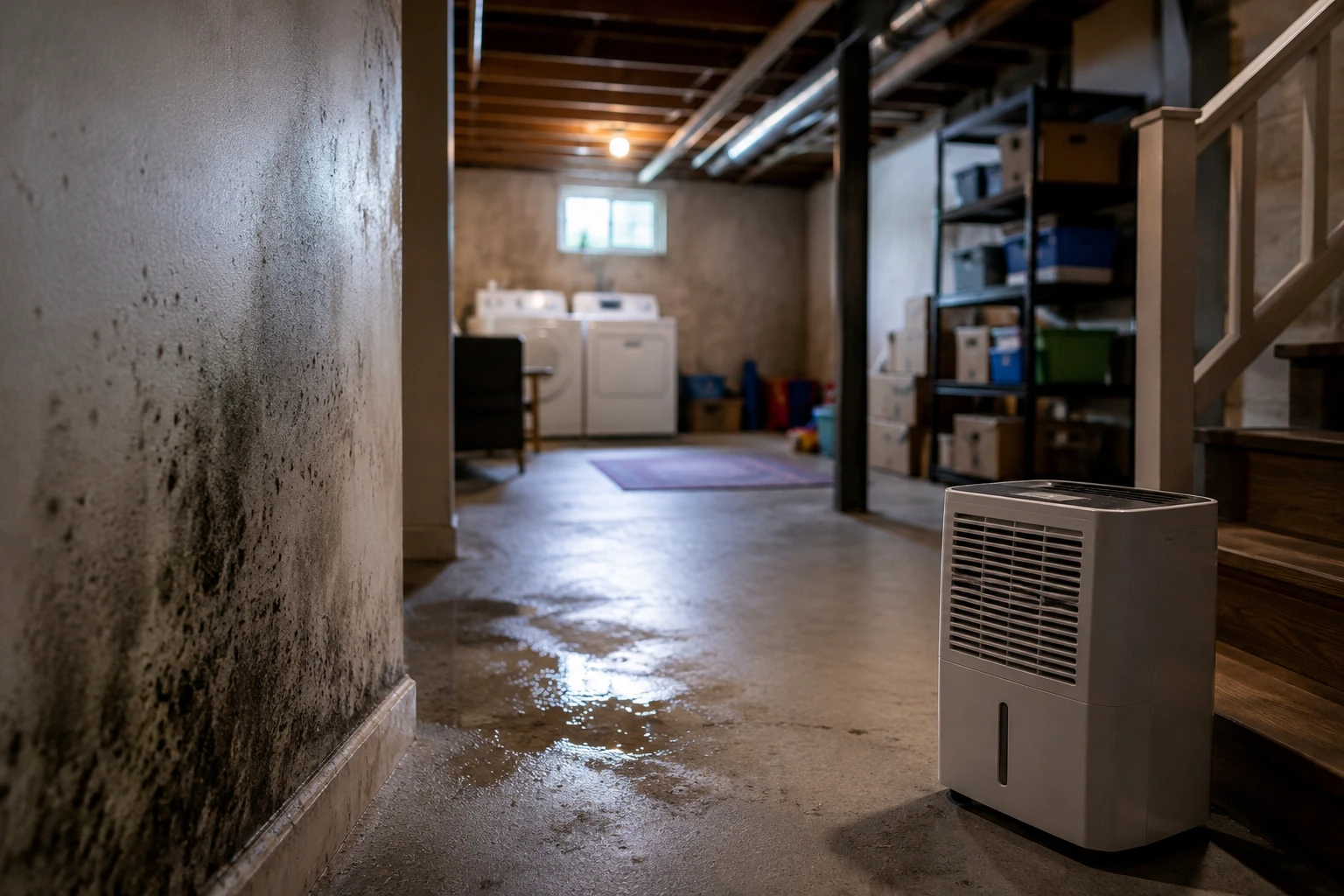
Basements are workhorses. They hold our storage, laundry, and sometimes the TV and playroom, but most of us never think about the air we’re actually breathing down there. The catch is that basement air rarely stays in the basement—thanks to the stack effect, it
gradually moves up through the rest of the house, where your family spends most of their time.
Indoor air can be several times more polluted than outdoor air, and kids, older adults, and anyone with asthma or allergies tend to feel the effects first. The good news is that your basement usually sends up early warning flares long before you’re dealing with serious mold or health issues. Here are five signs your basement air quality is heading in the wrong direction, plus simple steps to start fixing it.
1. That “old basement” smell never really goes away
A faint musty smell after a heavy rain is one thing. A musty, damp, or “old house” odor that greets you every time you open the basement door is a classic sign that moisture and mold are hanging around where they shouldn’t. That smell comes from microbial growth on surfaces like wood, drywall, carpet, and cardboard as they stay damp over time.
Do a quick nose test: leave the house for a few hours or overnight, then walk straight down to the basement when you get back. If the smell hits you right away—or gets stronger in closed-off storage rooms and closets—you’re not imagining it. Persistent mustiness means the space is staying damp enough for mold and mildew to stay active, even if you don’t see fuzzy patches on the walls yet. Over time, those spores and musty compounds can make their way upstairs, irritating sensitive noses, eyes, and lungs.
If this sounds like your basement, it’s worth digging into the underlying cause instead of just masking the smell with candles or air fresheners. This guide to dealing with a musty basement smell walks through the most common culprits, from damp foundation walls to forgotten cardboard boxes, and the best fixes for each.
2. You’re seeing visible mold, stains, or constant condensation
The nose is one early warning system; your eyes are another. If you’re spotting discoloration on baseboards, behind storage shelves, around window frames, or on the underside of subflooring and joists, that’s a sign that surfaces have been damp long enough for mold to take hold. Even if it doesn’t look dramatic yet, any recurring growth or spreading staining deserves attention.
Pay attention to condensation too. Basement windows that fog or drip regularly, pipes that “sweat” and drip onto the floor, or metal surfaces that stay wet all signal that the air is more humid than it should be. Where there’s condensation, there’s enough moisture to support mold and dust mites, both of which can aggravate allergies and asthma.
As a rule of thumb, small, isolated spots of surface mold are often manageable as a DIY cleaning project, but widespread growth, a large area of staining, or mold that keeps coming back after cleaning is a sign to bring in a pro. Either way, cleaning is only half the story—keeping the area dry with better drainage, humidity control, and ventilation is what prevents it from returning.
3. Allergy‑like symptoms are worse at home than anywhere else
If you or your kids feel “stuffed up” at home but better once you leave for work, school, or even a weekend away, your indoor air could be part of the problem. Common symptoms of poor indoor air quality include:
- Sneezing or coughing
- Runny or stuffy nose
- Itchy or watery eyes
- Scratchy throat
- More frequent asthma flare‑ups
Basements are prime sources of the particles that trigger these issues—mold spores, dust, pet dander, and other allergens tend to accumulate in low, cool, and cluttered areas. When your HVAC system runs, it can draw that air up into the rest of the house. You may notice that symptoms are worst in the evenings after the family’s been home for a while, or after loads of laundry or time spent in a finished basement rec room.
Watch for patterns. Do symptoms improve noticeably when you’ve been away from home for a day or two, or when you open windows and get more fresh air moving through? If so, it’s another sign that your home, especially the basement, needs better moisture control and ventilation, not just more allergy medication.
4. Headaches, fatigue, or “brain fog” hit hardest in the evenings
It’s easy to blame end‑of‑day headaches and tiredness on stress or screen time. But stale indoor air, elevated carbon dioxide, and low‑level pollutants can also cause headaches, trouble concentrating, and that heavy, tired feeling that’s hard to shake.
Basements are often where fuel‑burning appliances live: furnaces, water heaters, or even old, unvented gas heaters or fireplaces. If those aren’t vented properly—or if the space is tightly sealed without enough fresh air—combustion byproducts and excess moisture can build up. Even when everything is working correctly, a closed‑up basement with no mechanical ventilation tends to accumulate stale air over the course of the day.
Again, look for patterns. Do the headaches and brain fog improve when you get outside, crack windows for a cross‑breeze, or spend time away from home? Do they feel worse after long stretches of time in the basement or main floor? Those clues, combined with odors and humidity issues, point toward indoor air rather than stress alone. Improving basement ventilation and air exchange is one of the most straightforward ways to address this kind of hidden air‑quality problem.
5. Your humidity or radon numbers don’t look “normal”
You don’t have to guess about at least two key pieces of the basement air‑quality puzzle: humidity and radon. Affordable digital hygrometers and at‑home radon test kits make it easy to get real data.
For humidity, most experts recommend keeping indoor relative humidity somewhere around 30–50%, with basements ideally on the lower half of that to stay out of the mold and dust‑mite comfort zone. If your basement hygrometer is consistently reading above about 55–60%, especially in summer or after rain, it’s a sign that the air is staying too damp. Over time, that extra moisture supports mold growth, musty odors, and dust mites, all of which can aggravate allergies and asthma.
Radon is the other big one. It’s a naturally occurring radioactive gas that can seep into basements from the soil, and long‑term exposure is a leading cause of lung cancer in non‑smokers. Because radon is colorless and odorless, testing is the only way to know your risk. If a short‑term or long‑term test comes back at or above recommended action levels, it’s important to follow up with a mitigation pro.
If your humidity monitor is constantly in the “too high” zone, this basement humidity guide is a great next step. It explains ideal humidity ranges, dehumidifier sizing, and the building fixes that help keep moisture where it belongs.
Simple ways to start improving basement air quality
Once you’ve spotted one or more of these signs, you don’t have to fix everything overnight. Start with a few practical steps:
- Declutter and ditch the cardboard. Get boxes and soft goods off the floor and away from damp walls. Mold loves cardboard and fabric.
- Run a properly sized dehumidifier. Aim to keep basement humidity in the 40–50% range. Make sure the unit is sized for your square footage and has a drain so you’re not constantly emptying buckets.
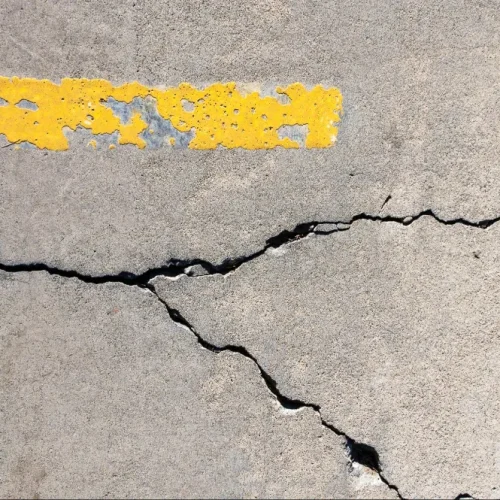
- Seal obvious gaps and leaks. Look for water entry points around foundation cracks, window wells, and penetrations for pipes and cables. Fixing bulk water issues makes every other step more effective.
- Get air moving and exchanging, not just recirculating. Fans that simply stir basement air don’t help much; you want a way for stale, damp air to leave and drier, fresher air to come in.
If you’re ready for a more complete plan, this basement ventilation guide walks through the main options, from simple exhaust fans and upgraded ductwork to dedicated fresh‑air systems, plus costs and when each makes sense.
For persistent musty odors, recurring mold, or health symptoms that improve when you leave home, don’t hesitate to involve a qualified pro. The goal isn’t just a nicer‑smelling basement; it’s a healthier home from the lowest level up.
FAQs
Common warning signs include musty odors, visible mold, condensation, allergy symptoms, and persistent humidity issues.
Yes. Air from the basement often rises into upper floors through the stack effect, carrying moisture, odors, and airborne particles with it.
The smell is usually caused by excess moisture and microbial growth on materials like drywall, wood, carpet, or cardboard.
No. Mold can grow behind walls, under flooring, or inside stored items long before it becomes visible on surfaces.
Most experts recommend keeping basement humidity between 40% and 50% to help prevent mold and dust mites.
Yes. Mold spores, dust, and damp conditions can worsen sneezing, coughing, asthma flare-ups, and other respiratory symptoms.
Stale indoor air, excess humidity, and poor ventilation can contribute to headaches, brain fog, and tiredness, especially in closed-up homes.
Absolutely. Radon is odorless and invisible, so testing is the only way to know whether levels are unsafe.
A dehumidifier helps control moisture, but leaks, poor ventilation, and mold sources also need to be addressed for lasting improvement.
You should contact a pro if mold keeps returning, humidity stays high despite efforts, or health symptoms improve when you leave home.