This post contains affiliate links. As an Amazon Associate, I earn from qualifying purchases, at no extra cost to you. See our disclosure policy.
We spend so much time thinking about the visible parts of our homes — the paint colors, the kitchen backsplash, the landscaping. But underneath all of that beauty sits something far less glamorous and infinitely more important: your foundation.
Your home’s foundation does the quiet, invisible work of holding everything together. And just like your health, your foundation does best when you give it a little regular attention rather than waiting for an emergency.
This guide is designed for everyday homeowners — no engineering degree required. We’ll walk through what affects your foundation, how to care for it seasonally, and when to call in professional help.
Your Foundation and the Soil Beneath It: A Relationship Story
Think of your home’s foundation and the soil underneath as being in a relationship. When things are balanced, everything is stable. When one side changes dramatically, the other feels it.
The biggest factor in that relationship? Moisture.
In many parts of the country — especially the Southern Plains and Midwest — homes sit on expansive clay soil. This type of soil acts like a sponge: it swells when it absorbs water and shrinks when it dries out. In states like Oklahoma, where summers bring scorching heat and springs bring heavy rains, that constant expansion and contraction puts enormous stress on foundations year after year.
Seasonal Foundation Care: A Simple Routine That Makes a Difference
Spring
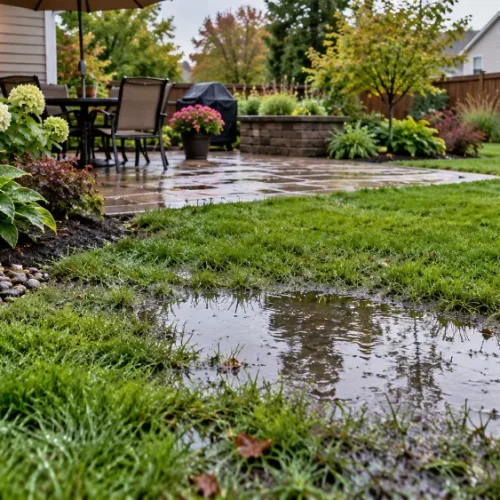
Spring rains are welcome for your garden but can spell trouble if water pools near your foundation. Walk around your home after a heavy rain and check for standing water within three feet of the house. If you see any, you likely have a grading issue — the ground should slope away from your foundation on all sides.
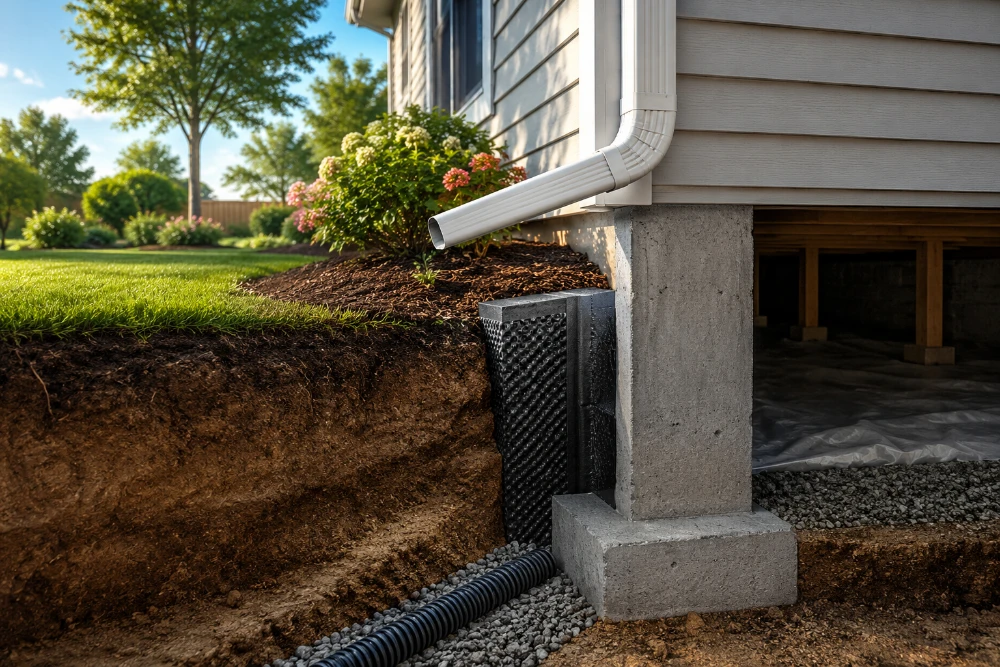
This is also a great time to check your gutters and downspouts. Downspouts should discharge water at least four to six feet from the foundation.
Summer
Here’s a tip that surprises many homeowners: during long dry spells, you should actually water your foundation. Yes, really.
When clay soil dries out, it pulls away from the foundation, creating gaps. A soaker hose placed 12 to 18 inches from the foundation, running for 15–20 minutes every other day during drought conditions, helps maintain consistent moisture levels.
Fall
Fall is your window to handle drainage or landscaping projects before winter. If you have a crawl space under your home, fall is the ideal time to inspect it. Look for standing water, excessive moisture, sagging insulation, or any visible cracks. Crawl space repair specialists recommend keeping crawl space humidity below 60% to prevent mold growth and wood deterioration.
Winter
In colder regions, the freeze-thaw cycle can widen existing cracks and create new ones. Make sure exterior caulking around the foundation is intact. Address any small cracks before freezing temperatures arrive.
The Landscaping Connection: How Your Yard Affects Your Foundation
Trees and large shrubs planted too close to the house compete with the soil for moisture. A mature oak tree can absorb over 100 gallons of water per day, creating a dry zone around its root system.
Flower beds against the foundation can be lovely, but overwatering them saturates the soil right where you don’t want excess moisture. Use drip irrigation instead of sprinklers.
Concrete walkways and driveways adjacent to the home can settle and tilt over time, directing water toward the foundation instead of away from it. If you notice a walkway has sunk, concrete leveling with foam injection is a fast, minimally invasive way to lift the slab back to its proper grade.
Crawl Spaces: The Forgotten Zone
Homes with pier-and-beam foundations require special attention because moisture, shifting soil, and weakened supports can affect the floor system above. Homeowners searching for Pier and Beam Foundation Repair Houston should look for experienced professionals who understand the region’s expansive clay soil, drainage challenges, and humid climate.
Signs of crawl space trouble include:
- Bouncy or sagging floors in the rooms above
- Musty smells coming from floor vents or registers
- Higher-than-expected energy bills due to insulation failure
- Visible mold or mildew on floor joists or subfloor
A properly maintained crawl space should be dry, well-ventilated, and free of standing water.
When to Call a Professional
Certain signs warrant an expert evaluation:
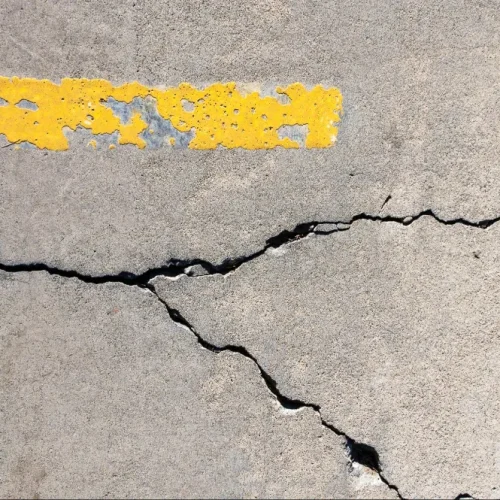
- Cracks wider than 1/8 inch in foundation walls or slabs
- Doors or windows that suddenly won’t close properly
- Floors that slope noticeably in one direction
- Gaps between walls and ceilings
- Any sudden change after heavy rain or extended drought
A reputable foundation specialist will offer a thorough inspection — many do this at no charge — and explain what they find in plain language.
Small Habits, Big Protection
Foundation care isn’t about expensive projects or constant worry. It’s about small, consistent habits: managing moisture, maintaining drainage, inspecting your crawl space once or twice a year, and addressing small issues before they become large ones.
Your home is likely the biggest investment you’ll ever make. A few minutes of attention each season keeps the foundation strong and your peace of mind intact.
FAQs
Large cracks, sloping floors, sticking doors, or sudden structural changes after heavy rain or drought are signs you should schedule a professional inspection.
Hairline cracks can happen naturally as homes settle, but cracks wider than 1/8 inch should be evaluated by a foundation specialist.
Yes. Water pooling near the home can saturate the soil, causing expansion, shifting, and long-term structural stress.
In areas with expansive clay soil, controlled watering during drought conditions can help maintain stable soil moisture and reduce movement.
Downspouts should ideally direct water at least four to six feet away from the foundation.
Absolutely. Large tree roots absorb significant moisture from the soil, which can create uneven drying and foundation movement.
Excess crawl space humidity can lead to mold growth, wood rot, insulation damage, and poor indoor air quality.
Not always, but persistent sagging or sloping floors can indicate structural movement or crawl space support issues.
A quick inspection once or twice a year — especially after major weather changes — helps catch small problems early.
Yes. Consistent moisture control, proper drainage, and early repairs often prevent much larger and more costly structural damage later.