There’s a quiet kind of magic in a garden pathway. It’s the line your eye follows before your feet do, the thread that weaves one moment of the garden into the next. A path can invite, guide, protect, soften, and frame the landscape. But building a pathway that looks beautiful and requires very little upkeep? That’s the sweet spot many homeowners crave.
A low-maintenance garden pathway isn’t just about skipping chores. It’s about choosing materials that age gracefully, designing with natural water flow in mind, selecting plants that thrive in your climate, and embracing structure that supports longevity. It allows your garden to mature into a place that feels cared for even when you’re too busy living life to fuss over it.
This guide explores how to create a garden pathway that is stylish, durable, affordable, and gentle on your time. Whether you want a walkway leading through a vegetable garden, a winding path along the side yard, or a statement entrance to the front door, the principles and ideas below will help you build something that lasts.
Start With Purpose and Flow
Before choosing gravel or stone or stepping pads, start with the why behind your path.
Ask yourself:
- Where are people naturally walking now?
- What spaces deserve to be connected?
- How do you want someone to feel while walking?
In many gardens, there’s already an informal pathway trampled into the lawn. Instead of fighting natural movement patterns, design with them. The easiest path to maintain is one that already fits your daily use.
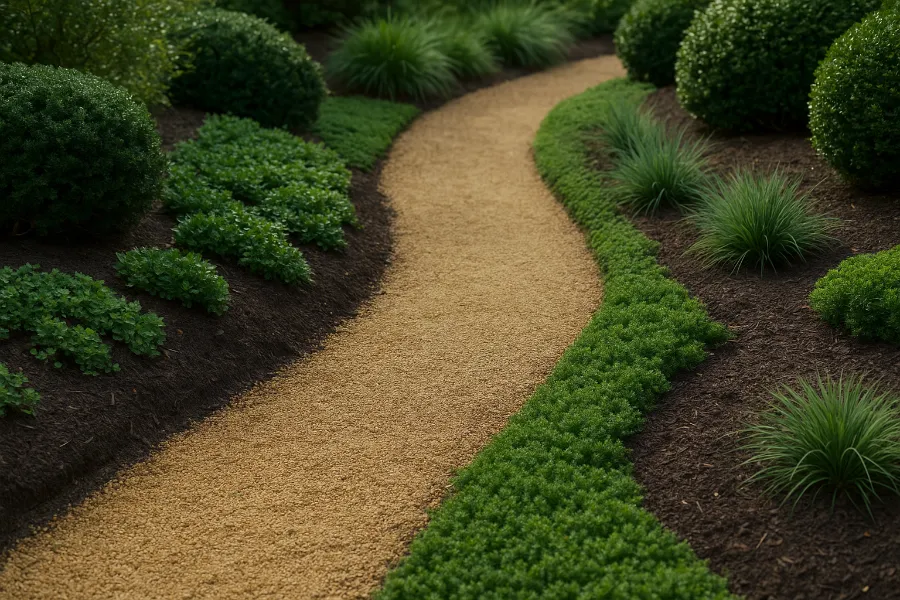
Straight pathways feel formal and structured. Curves soften the space and suggest exploration. Movement should feel intuitive, almost like the garden whispered where the path belongs.
Choose Durable, Low-Upkeep Materials
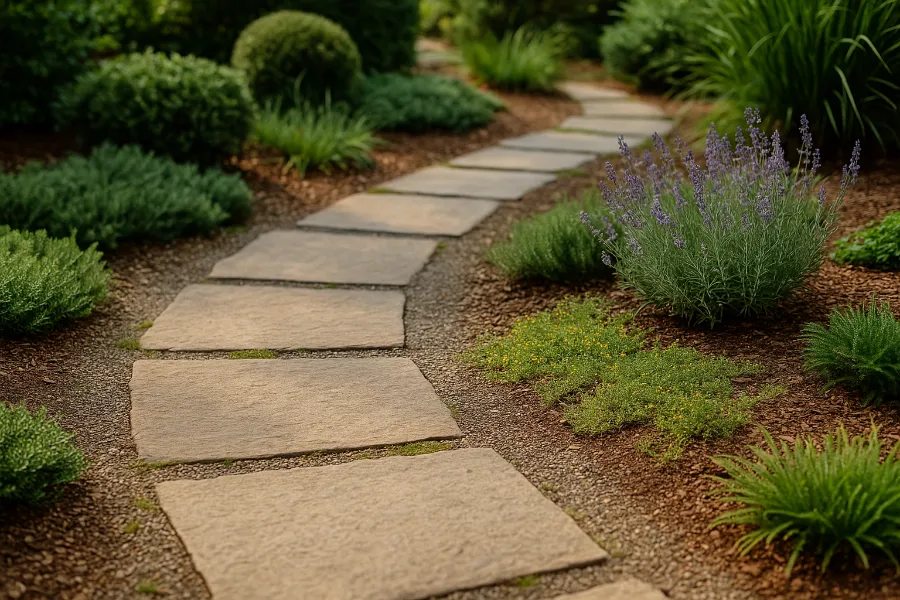
Materials make or break a pathway’s maintenance needs. Here are strong low-maintenance choices:
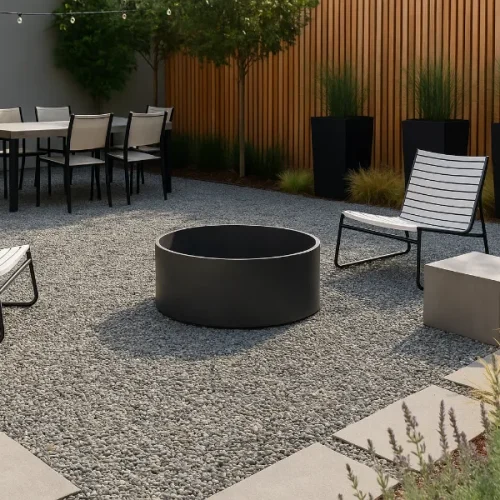
Crushed Gravel or Decomposed Granite
Natural, compactable, and excellent for drainage. Works well in most climates.
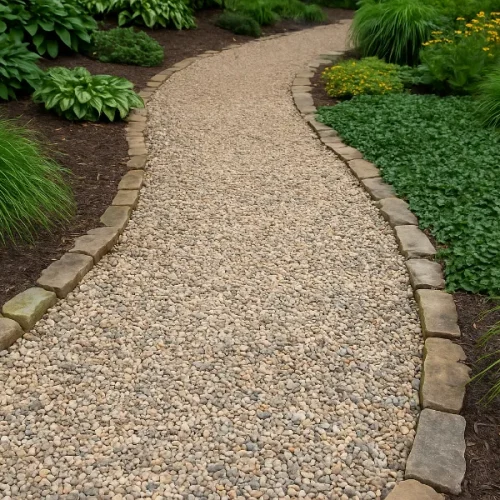
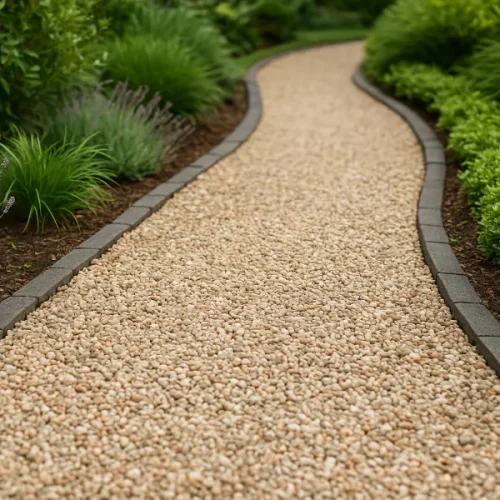
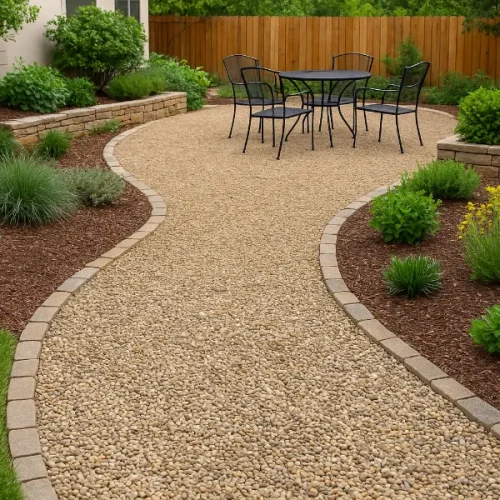
Pea Gravel
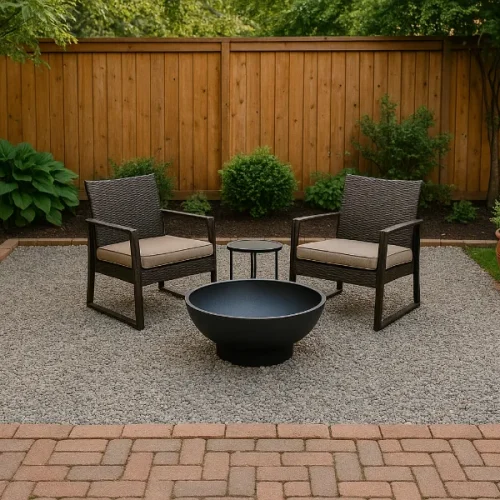
Smooth, inviting, and perfect for casual garden walkways. Just be sure to use strong edging to keep it contained.
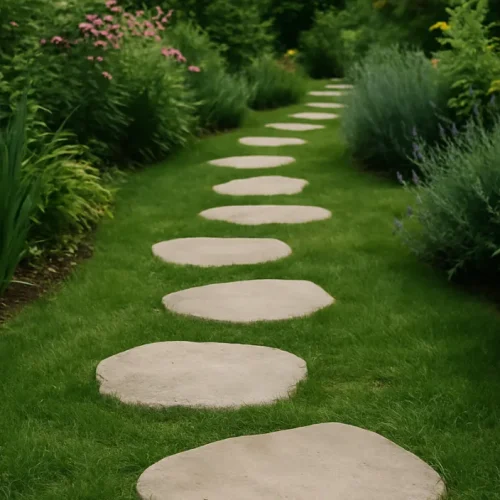
Flagstone or Stepping Stones
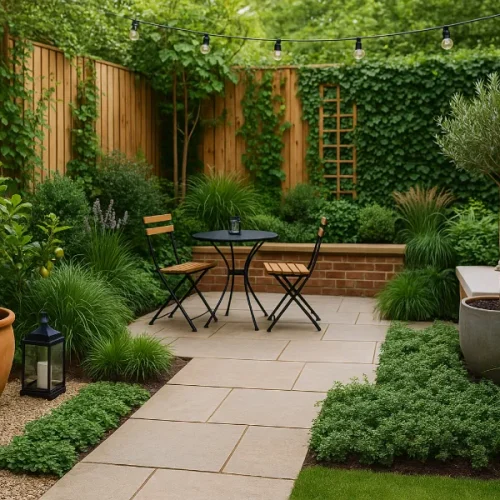
Timeless, sturdy, and visually grounding. Space them with gravel, groundcovers, or mulch.
Reclaimed Brick
Warm, historic character and long-lasting. Requires minimal upkeep if joints are filled with sand or gravel.
Stone or Concrete Pavers with Mulch
Affordable and natural looking. Mulch suppresses weeds and adds softness.
The key is choosing materials suited to your climate and your patience level.
Build a Stable Foundation
A beautiful path collapses quickly if the foundation is an afterthought.
A strong base includes:
- Removing grass or weeds from the pathway’s footprint.
- Leveling the soil beneath.
- Adding and compacting 2–4 inches of crushed stone.
This prevents sinking, puddling, and weed growth. Even stepping stones need individual compacted bases.
The better the base, the less work you’ll ever do later.
Keep Weeds Manageable
Smart weed prevention is primarily about compaction and base preparation. Landscape fabric can help in high-weed areas, but avoid plastic barriers—they trap water and eventually rupture.
Remember:
- A well-compacted base is stronger than any fabric.
- Pull weeds early—small is easy, large is not.
- Avoid adding topsoil anywhere near your path.
The goal is not perfection, just effortless upkeep.
Use Edging to Keep Materials Neat
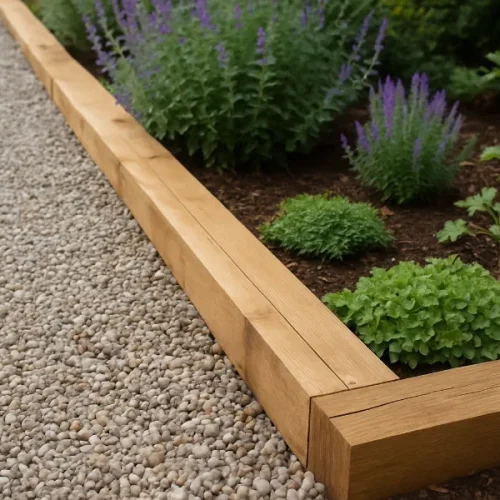
Edging defines a path and prevents gravel migration.
Options include:
- Metal edging for sharp, clean lines.
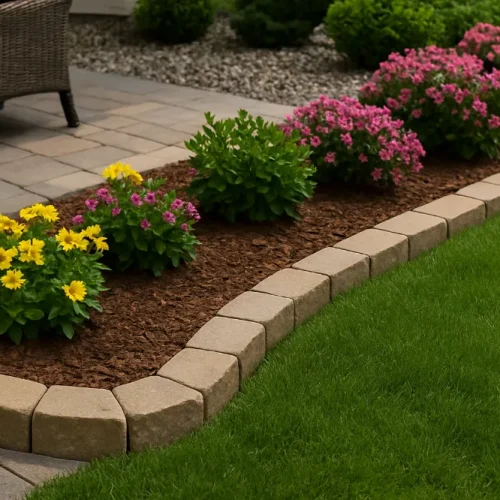
- Brick or cobblestone for traditional looks.
- Timber or natural logs for rustic spaces.
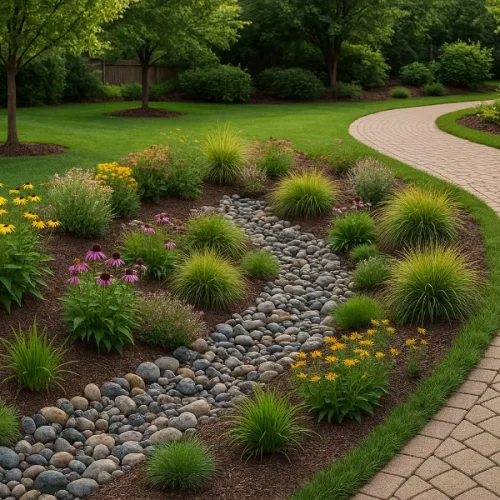
- Low border plants for a soft touch.
The edging should complement your design style and help the path feel intentionally placed.
Planting Along the Pathway
Choose plants that create atmosphere, not obligation. Ideal pathway plants are tidy, drought-tolerant, and don’t need constant trimming.
Great options:
- Creeping thyme
- Lavender
- Dwarf grasses
- Ferns for shady areas
- Hardy succulents in warm regions
Leave room for plants to mature. Overplanting leads to constant pruning, which is the opposite of low-maintenance.
Water and Drainage Planning
Water always finds a way. A low-maintenance path works with water flow.
Good drainage practices:
- Slightly slope the path surface (1–2%).
- Keep pathway edges slightly higher than nearby beds.
- Choose permeable materials to encourage water absorption.
If water puddles, the path will degrade. If water moves freely, it will last.
Lighting for Atmosphere and Safety
A pathway should feel welcoming after dark, not lost in shadow.
Options that feel natural:
- Soft solar stake lights tucked along edges
- Ground-level LED markers
- Small lanterns or string lights nearby
Lighting should glow, not glare. Think calm evening ambiance, not parking lot brightness.
Add Functional and Decorative Touches
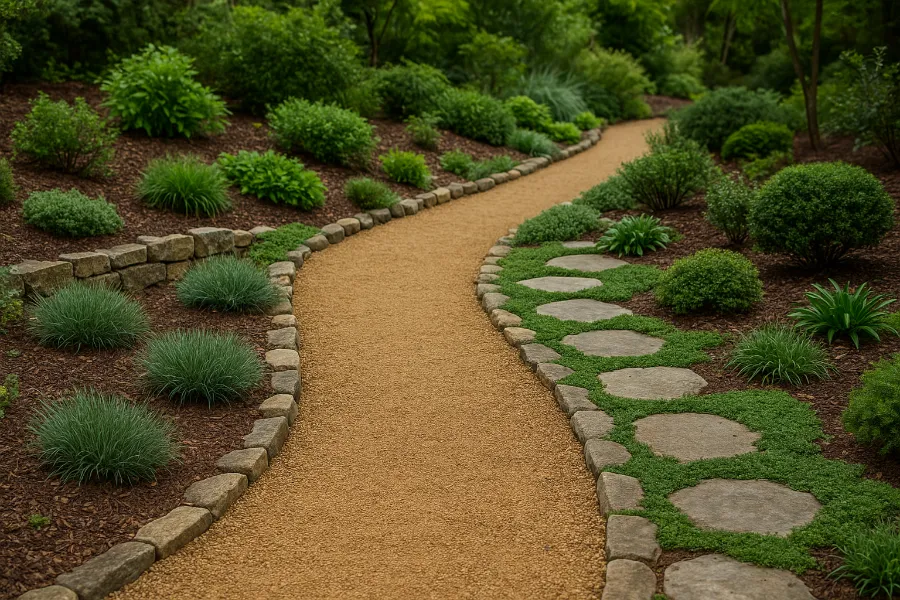
A pathway should feel like an experience, not just a route.
Consider adding:
- A bench alongside a curve
- A birdbath tucked into a clearing
- A trellis or archway overhead
- Scented plants to brush as you pass
- A focal pot, sculpture, or stone marker
These small gestures turn movement into delight.
Long-Term Care, Simplified
Once your path has:
- Strong base
- Suitable materials
- Good edging
- Reasonable plant choices
Maintenance becomes light and seasonal:
- Rake or sweep occasionally.
- Replace a bit of gravel or mulch as needed.
- Trim plants once or twice a year.
- Pull small weeds before they settle in.
That’s it. Beauty without battle.
Final Thoughts
A low-maintenance garden pathway is more than a practical structure. It’s a quiet line that stitches together experiences: the morning walk to check tomatoes, the evening stroll to watch fireflies, the barefoot shuffle after rain when the world smells washed and new.
When designed thoughtfully, a path becomes not just something you walk on, but something that leads you deeper into your garden’s personality. It invites you to slow down, explore, and enjoy—without demanding constant upkeep.
Your path should feel inevitable, like it has always belonged there.
FAQs
Crushed gravel, decomposed granite, flagstone, and brick are durable and require minimal upkeep.
Most garden paths work well at 24–36 inches wide; higher-traffic paths may need 36–48 inches.
A compacted base is most effective; landscape fabric can help but avoid plastic sheeting.
Use edging such as metal, brick, stone, or wood to contain the gravel and maintain clean lines.
Low-growing, drought-tolerant plants like creeping thyme, lavender, and small ornamental grasses work well.
Slightly slope the path (1–2%) and use permeable materials to allow water to move naturally.
They should sit on a compacted base layer of sand or crushed stone to prevent shifting.
Generally every 2–4 years, depending on foot traffic and climate conditions.
Sweep or rake occasionally, top up material as needed, and pull weeds early before they root deeply.
Mulch pathways are inexpensive and natural-looking, but they require periodic replenishment to stay neat.