Energy costs are climbing. Fast. That reality alone is pushing more homeowners and business owners to take energy efficiency improvements seriously. And honestly? It makes sense. Nobody wants to waste money every month on electricity, heating, or cooling that literally disappears through leaky windows, outdated appliances, or poorly insulated walls.
I’ve seen properties slash utility bills simply by fixing a few overlooked issues. Small upgrades matter. Bigger upgrades can completely transform how a building performs. The best part is that energy efficiency improvements do not just reduce expenses. They also improve comfort, indoor air quality, property value, and even equipment lifespan.
This is not about trendy “green living” marketing. It is about practical upgrades that produce measurable results.
Let’s break it all down.
Understanding Energy Efficiency Improvements
Energy efficiency improvements are upgrades designed to reduce energy waste while maintaining — or improving — performance inside a home or commercial building.
That means using less energy to accomplish the same task.
For example:
- An LED bulb produces the same brightness while using far less electricity
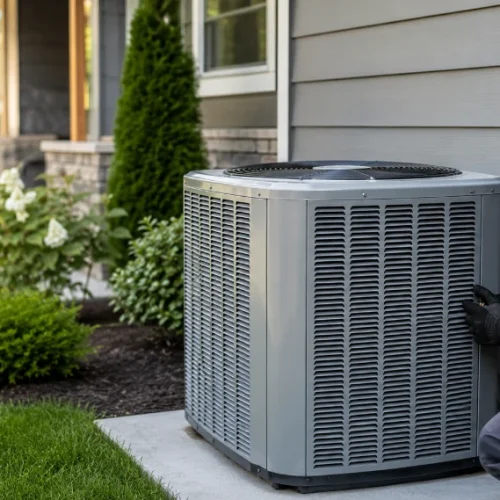
- A modern HVAC system cools a building more efficiently
- Better insulation keeps conditioned air inside longer
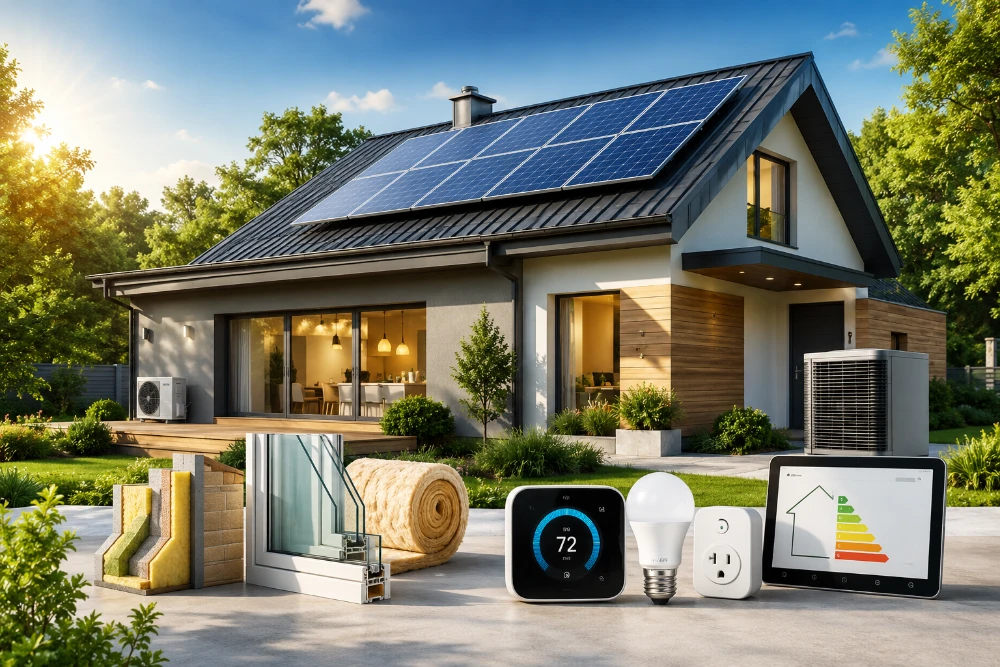
- Smart thermostats reduce unnecessary heating and cooling cycles
Simple idea. Big impact.
People often confuse energy efficiency with energy conservation. They are related, but different.
| Energy Conservation | Energy Efficiency |
| Using less energy by reducing usage | Using technology to reduce waste |
| Turning off lights | Installing LED lighting |
| Lower thermostat usage | Upgrading HVAC systems |
| Shorter showers | Efficient water heaters |
Both matter. But energy efficiency improvements create long-term structural savings.
Why Energy Efficiency Matters More Than Ever
Utility companies are not lowering rates anytime soon.
Electricity demand continues to rise. Weather patterns are becoming more extreme. Homes are packed with electronics, smart devices, and appliances running all day long. The result? Massive energy consumption.
Older buildings feel this pressure the hardest.
A poorly insulated home can lose huge amounts of heated or cooled air through attics, crawl spaces, duct leaks, and windows. That means your HVAC system works overtime. Your monthly bill explodes. Comfort drops.
Nobody wins.
Energy efficiency improvements help solve those problems directly.
Benefits include:
- Lower monthly utility bills
- Improved indoor comfort
- Better temperature consistency
- Reduced environmental impact
- Increased resale value
- Longer equipment lifespan
- Less strain on HVAC systems
And yes, buyers absolutely notice energy-efficient features now. Smart thermostats, efficient windows, and upgraded insulation have become real selling points.
Signs Your Property Is Wasting Energy
Sometimes the warning signs are obvious.
Other times they hide in plain sight.
High Utility Bills
This is usually the first clue.
If your energy bills continue rising despite normal usage habits, something is wrong. Air leaks, inefficient appliances, poor insulation, or aging HVAC systems are usually responsible.
Uneven Temperatures
One room freezing. Another room hot.
That is not normal.
Temperature inconsistencies often point toward insulation gaps, duct leakage, airflow problems, or outdated HVAC systems.
Constant HVAC Cycling
If your heating or cooling system runs nonstop, your building is probably losing conditioned air faster than it should.
That means wasted money.
Drafts Around Doors and Windows
Feel air movement near windows or entry doors?
That is energy loss happening in real time.
Old Appliances
Appliances older than 10–15 years often consume dramatically more energy than modern alternatives.
Especially refrigerators.
Those older units can quietly drain electricity 24/7.
The Most Effective Energy Efficiency Improvements
Not every upgrade produces equal savings.
Some improvements deliver massive returns almost immediately.
Others create long-term value over time.
Here are the upgrades worth prioritizing.
Upgrade Insulation First
Insulation is one of the biggest performance drivers in any structure.
And yet many homes barely have enough.
Attics are especially problematic. Heat naturally rises, which means poorly insulated attics allow conditioned air to escape constantly.
That forces HVAC systems to work harder.
Areas That Usually Need Attention
- Attics
- Exterior walls
- Crawl spaces
- Basements
- Garage ceilings
Common Insulation Types
| Insulation Type | Pros | Cons |
| Fiberglass | Affordable | Less effective with air leaks |
| Spray Foam | Excellent sealing | Higher upfront cost |
| Cellulose | Eco-friendly | Can settle over time |
| Rigid Foam Board | High efficiency | Installation complexity |
Spray foam insulation tends to deliver excellent air sealing performance. It costs more upfront, but the efficiency gains can be substantial.
Install Energy-Efficient Windows
Old windows are brutal for energy loss.
Single-pane windows especially.
Modern energy-efficient windows help stabilize indoor temperatures and reduce HVAC strain significantly.
Look for:
- Double-pane or triple-pane glass
- Low-E coatings
- Gas-filled panes
- Proper weather sealing
A window upgrade also reduces outside noise. Nice bonus!
Replace Outdated HVAC Systems
Your HVAC system is usually the largest energy consumer inside the building.
Old units struggle. They run longer. They waste energy. They break more often.
Modern high-efficiency systems are dramatically better.
Features Worth Considering
- Variable-speed motors
- Smart thermostats
- Zoned heating and cooling
- High SEER ratings
- Heat pump systems
Even routine maintenance matters.
Dirty filters alone can reduce HVAC efficiency significantly.
I always recommend changing filters regularly and scheduling seasonal inspections. Small maintenance habits prevent expensive efficiency losses later.
Smart Thermostats Are Worth It
This is one of the easiest energy efficiency improvements available today.
And the savings are real.
Smart thermostats automatically adjust temperatures based on usage habits, occupancy, and schedules.
That means less wasted heating and cooling when nobody is home.
Some systems even learn your routines automatically.
Benefits of Smart Thermostats
- Reduced HVAC runtime
- Remote control through mobile apps
- Better temperature consistency
- Energy tracking insights
- Vacation scheduling
The installation is usually straightforward too.
Switch to LED Lighting
Still using incandescent bulbs?
That is expensive.
LED lighting consumes a fraction of the electricity while lasting dramatically longer.
The savings compound quickly across an entire home or office.
Lighting Upgrade Comparison
| Bulb Type | Average Lifespan | Energy Usage |
| Incandescent | 1,000 hours | High |
| CFL | 8,000 hours | Moderate |
| LED | 25,000+ hours | Low |
Commercial buildings especially benefit from LED retrofits because lighting loads are often massive.
Seal Air Leaks
Tiny gaps create huge problems.
Air leaks allow conditioned air to escape while pulling outside air inside. That increases HVAC demand continuously.
Common leak areas include:
- Window frames
- Door frames
- Electrical penetrations
- Attic hatches
- Plumbing openings
- Recessed lighting
Caulking and weatherstripping are inexpensive fixes with surprisingly strong returns.
Simple. Effective. Overlooked constantly.
Upgrade Appliances
Older appliances are silent energy vampires.
Modern ENERGY STAR appliances use significantly less electricity and water while performing better.
Focus on:
- Refrigerators
- Dishwashers
- Washing machines
- Dryers
- Water heaters
Water heaters deserve special attention because they consume large amounts of energy daily.
Consider Tankless Water Heaters
Traditional water heaters constantly maintain hot water inside a storage tank.
Even when nobody uses it.
Tankless systems only heat water when needed.
That means reduced standby energy loss.
Benefits include:
- Lower energy consumption
- Endless hot water
- Smaller footprint
- Longer lifespan
Heat pump water heaters are another strong option for efficiency-focused homeowners.
Smart Home Technology Changes Everything
Automation is reshaping energy management.
Modern systems monitor usage, optimize performance, and reduce waste automatically.
That creates consistent efficiency improvements without constant manual adjustments.
Smart Devices Worth Adding
- Smart thermostats
- Smart plugs
- Motion sensors
- Automated lighting controls
- Energy monitoring systems
These systems help identify hidden consumption patterns.
Sometimes the biggest waste sources are the ones nobody notices.
Energy Efficiency Improvements for Businesses
Commercial buildings face unique energy challenges.
Large lighting loads. Heavy HVAC usage. Long operating hours.
That creates huge opportunities for savings.
Commercial Lighting Upgrades
LED retrofits can dramatically reduce operating expenses.
Warehouses, offices, retail spaces, and industrial facilities often see major improvements after switching from fluorescent systems.
Adding occupancy sensors helps even more.
HVAC Zoning
Commercial spaces rarely require identical temperatures everywhere.
Zoned HVAC systems allow businesses to cool or heat specific areas independently.
That prevents unnecessary energy usage.
Roofing and Building Envelope Upgrades
Roofing systems play a massive role in energy performance.
Cool roofs, reflective coatings, and improved insulation help stabilize indoor temperatures.
Some Murrieta electricians also work alongside HVAC and solar contractors during commercial efficiency upgrade projects, especially when buildings require electrical panel improvements for newer systems.
Solar Energy and Energy Efficiency Improvements
Solar gets most of the headlines.
But solar panels work best after efficiency upgrades are completed first.
Why?
Because reducing overall energy consumption lowers the required solar system size.
That reduces installation costs.
Best Sequence
- Seal leaks
- Upgrade insulation
- Improve HVAC efficiency
- Replace lighting
- Upgrade appliances
- Add solar panels
Efficiency first. Solar second.
That strategy usually delivers stronger long-term financial returns.
Understanding the Cost vs Savings Equation
Some upgrades are cheap.
Others require major investment.
The key is understanding long-term value instead of focusing only on upfront cost.
Typical Upgrade Cost Ranges
| Upgrade | Typical Cost Range |
| LED lighting | Low |
| Weatherstripping | Low |
| Smart thermostat | Low to moderate |
| Insulation upgrade | Moderate |
| Window replacement | Moderate to high |
| HVAC replacement | High |
| Solar installation | High |
But remember this:
Energy efficiency improvements continue producing savings month after month.
Year after year.
That ongoing reduction matters.
Government Incentives Can Help
Many local and federal programs offer incentives for energy-efficient upgrades.
Possible incentives include:
- Tax credits
- Utility rebates
- Appliance rebates
- Solar incentives
- Energy audit discounts
Programs change frequently, so homeowners should research current offerings before starting projects.
Those rebates can offset substantial portions of installation costs.
Common Mistakes People Make
Some upgrades fail because of poor planning.
Others fail because people focus only on visible improvements while ignoring the root causes of energy waste.
Skipping the Energy Audit
This is a huge mistake.
Professional energy audits identify where the biggest losses actually occur.
Without that information, people often spend money in the wrong places.
Buying Cheap Materials
Low-quality insulation, windows, or HVAC systems can underperform badly over time.
Cheap products often become expensive problems later.
Ignoring Maintenance
Even efficient systems lose performance without maintenance.
Filters clog. Ducts leak. Equipment degrades.
Routine maintenance protects efficiency.
Focusing on One Upgrade Only
Energy performance works as a system.
Upgrading windows without fixing insulation may limit overall results.
The best outcomes usually come from layered improvements working together.
How to Prioritize Energy Efficiency Improvements
Not everyone can tackle every upgrade immediately.
That is okay.
Start strategically.
Priority Order
- Air sealing
- Insulation
- HVAC optimization
- Lighting upgrades
- Appliance replacement
- Smart automation
- Solar integration
This sequence usually delivers the strongest efficiency gains early.
The Future of Energy Efficiency
The industry is evolving rapidly.
AI-driven energy management systems are becoming smarter. Smart homes are learning occupancy patterns automatically. Battery storage systems are becoming more affordable.
Net-zero homes are no longer rare experimental projects.
They are becoming practical realities.
Builders, contractors, and homeowners are all paying closer attention to long-term efficiency because the financial benefits are simply too large to ignore.
And honestly, that trend is only accelerating.
Final Thoughts
Energy efficiency improvements are not just about lowering utility bills anymore.
They affect comfort. Property value. Equipment lifespan. Sustainability. Daily quality of life.
Some upgrades are simple and inexpensive. Others require serious planning and investment. But nearly every property has opportunities to reduce waste and improve performance.
Start with the fundamentals.
Seal leaks. Improve insulation. Optimize HVAC systems. Upgrade lighting.
Then build from there.
The savings add up faster than most people expect.
FAQs
Energy efficiency improvements are upgrades that reduce energy waste while maintaining or improving performance inside a home or business.
Insulation upgrades, HVAC replacements, smart thermostats, and LED lighting usually deliver the biggest long-term savings.
Yes. Smart thermostats help reduce unnecessary heating and cooling, which can lower monthly utility costs significantly.
High utility bills, uneven room temperatures, drafts, and constantly running HVAC systems are common warning signs.
Absolutely. Energy-efficient windows help reduce heat transfer, improve comfort, and lower HVAC workload.
Air sealing and insulation improvements are usually the best starting points because they reduce major energy loss quickly.
Some upgrades like LED lighting show savings almost immediately, while larger projects may take several years to fully pay off.
Yes. Buyers often view efficient homes as more attractive because they offer lower operating costs and better comfort.
Many local utilities and government programs offer rebates or tax incentives for qualifying energy efficiency improvements.
Solar panels help reduce grid energy usage, but homes should improve efficiency first to maximize solar savings.