This post contains affiliate links. As an Amazon Associate, I earn from qualifying purchases, at no extra cost to you. See our disclosure policy.
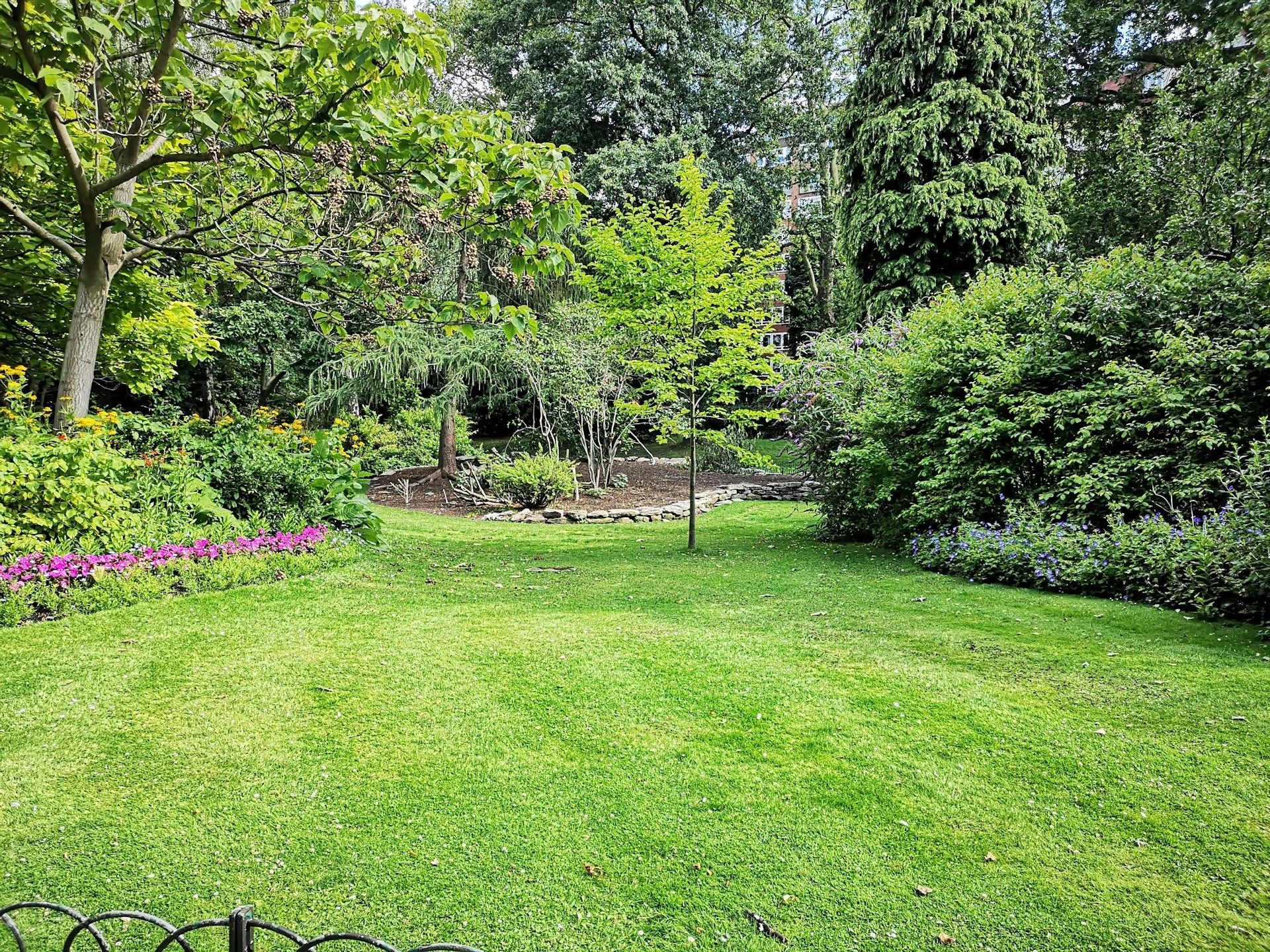
A well-planned landscape can change the way a property functions from the ground up. Too often, outdoor spaces get designed with nothing but appearance in mind. A row of shrubs here, a flower bed there, and the job feels done. But landscaping that only focuses on visuals misses a massive opportunity. The best outdoor spaces pull double duty.
They manage water, reduce maintenance, support the local ecosystem, and make every square foot of a property more usable. Homeowners who think beyond curb appeal end up with yards that work harder and last longer. These practical ideas prove that smart landscaping is always worth the effort.
Starting With What’s Underneath It All
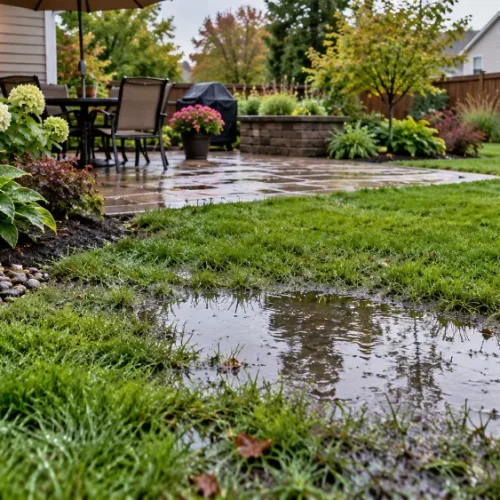
Every landscaping project has a layer that nobody sees, but everything depends on. The soil, the slope, and the way water travels across a property set the stage for how well anything planted or built on top of it will hold up over time. When that foundation is ignored, the yard pays the price first. Puddles that sit for hours after a heavy rain can suffocate grass roots, invite mosquitoes, and slowly erode the ground beneath walkways and garden beds. Grass thins out in patches, flower beds turn into muddy pits, and low spots become permanent problem areas that only get worse with each storm.
Most of this damage is preventable with the right approach from the start. Homeowners who invest in professional yard drainage solutions give their yards a fighting chance against pooling water, soil erosion, and root rot before any of it takes hold. A properly graded yard with strategically placed drainage channels keeps the soil stable, protects plant life, and preserves the structural integrity of patios and walkways. Once the groundwork is handled, every other landscaping decision becomes easier because the foundation is already solid.
Planting With Purpose Instead of Decoration
Choosing plants based on how they look in a nursery is one of the most common landscaping mistakes. A plant might catch the eye with bright blooms, but if it needs constant watering, weekly pruning, and specific soil conditions that do not match the yard, it becomes a chore rather than an asset. Practical planting means selecting species that thrive in the local climate without excessive intervention. Native grasses, drought-tolerant perennials, and ground covers that spread on their own can fill a landscape with texture and color while demanding very little attention.
Layered planting is another approach that serves more than one purpose. Tall ornamental grasses along a fence line can act as a privacy screen. Low spreading shrubs beneath windows can discourage foot traffic near the home. Flowering ground covers planted on slopes can prevent soil erosion while eliminating the need to mow difficult terrain. Every plant in a well-thought-out landscape has a reason for being where it is.
Hardscaping That Earns Its Place
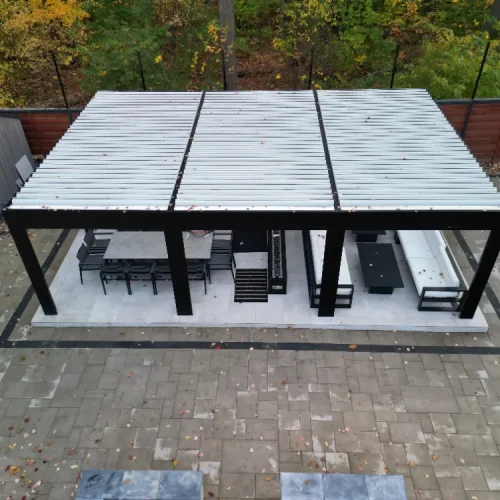
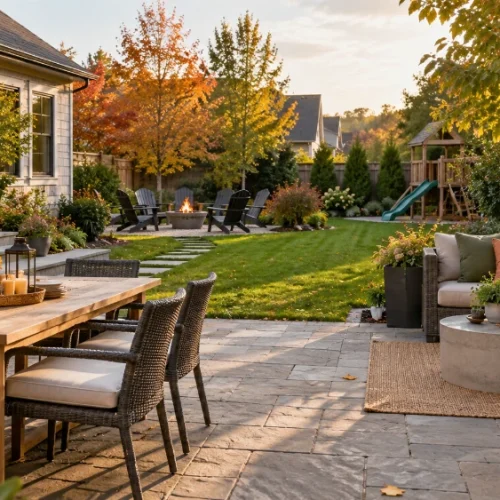
Patios, walkways, and retaining walls are more than decorative features. They define how people move through a yard, where they gather, and how the space handles the elements. A stone patio positioned near the back door extends the living area of a home without adding a single square foot of interior space. A gravel path winding through a garden keeps shoes clean while giving visitors a natural route to follow. Retaining walls built on sloped properties hold soil in place, create flat planting areas, and add visual depth to an otherwise awkward grade.
The materials chosen for hardscaping matter just as much as the layout. Permeable pavers allow rainwater to seep through rather than pooling on the surface. Natural stone ages gracefully and blends with nearly any planting style.
Creating Outdoor Spaces People Actually Use
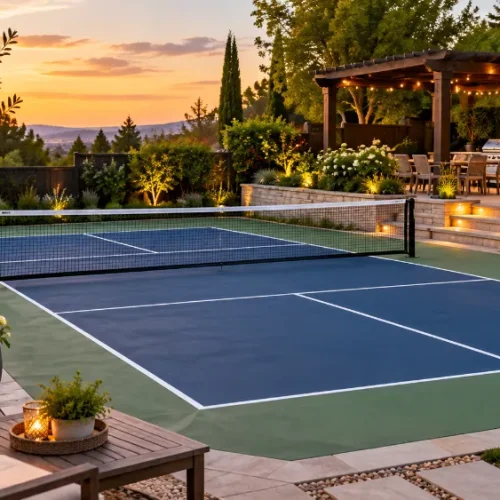
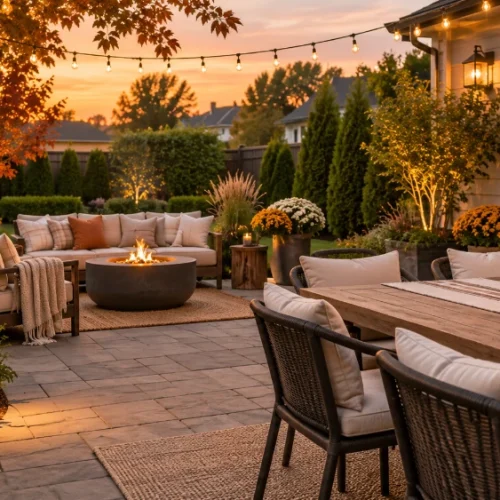
A yard that no one spends time in is a missed opportunity. Practical landscaping includes creating zones that invite people outside. A shaded seating area tucked beneath a mature tree becomes a favorite reading spot. A fire pit surrounded by built-in stone benches turns an empty corner into a gathering place for evenings with friends. Even a simple flat area of compacted gravel with a couple of chairs can become the most used part of a property if it is placed thoughtfully.
Functionality also means thinking about how the yard works at different times of day and across seasons. Low-voltage lighting along pathways and around seating areas extends usability after dark without creating harsh glare.
Managing Maintenance Before It Becomes a Burden
One of the most practical things a landscape can do is reduce the time spent maintaining it—large expanses of lawn demand weekly mowing, regular fertilizing, and seasonal overseeding. Replacing portions of turf with mulched planting beds, stone pathways, or native ground covers can cut maintenance hours dramatically without sacrificing the appearance of the yard.
Edging materials installed between lawn and garden beds keep grass from creeping into places it does not belong. Mulch applied at the right depth suppresses weeds and retains soil moisture, reducing the need for both weeding and watering. Drip irrigation systems deliver water directly to plant roots instead of spraying it across the surface, where much of it evaporates before doing any good. These are not glamorous upgrades. They are the kinds of decisions that save homeowners weekends’ worth of labor over the course of a year.
Thinking Long Term with Every Decision
The best landscapes are not designed for how the yard looks today. They are designed for how it will look and function five or ten years down the road. Trees planted now will eventually provide shade that reduces cooling costs in the summer. Shrubs chosen for their mature size will fill in gaps without outgrowing their space and requiring removal. Soil amendments made during the initial planting phase will pay off for years as plants establish deep, healthy root systems.
Thinking ahead also means anticipating how the property’s needs might change. A young family might want open lawn space now, but could benefit from a garden or outdoor kitchen later. Planning the layout with future additions in mind avoids the need to tear out existing work when priorities shift. Flexible designs that leave room for growth are always more practical than rigid plans that assume nothing will ever change.