This post contains affiliate links. As an Amazon Associate, I earn from qualifying purchases, at no extra cost to you. See our disclosure policy.

A quick truth about DIY renovations: most accidents happen on “easy” jobs
It usually starts like this.
You have a free Saturday. You tell yourself it’s just a quick demo. Or a simple paint refresh. Or you will swap that one outlet in the hallway and be done before lunch.
And then… the dust is everywhere, you’re stepping over tools, the ladder is slightly wobbly, your hands are tired, and you’re rushing because you already told everyone you’d be finished today.
That’s the moment accidents happen.
Not always on the big, scary projects. But on the “easy” jobs, we skip the boring stuff like clearing a walkway, wearing eye protection, or turning off the breaker.
Here’s the good news, though. You can move fast and stay safe with a simple system.
Practical. No fluff. It’s built around the injuries that occur most often in home renovation: falls, cuts, electrical shocks, and exposure to dust and fumes.
And a quick real-life note. When a shortcut turns into an ER visit, it’s not just pain. It’s medical bills, time off work, childcare headaches, and sometimes months of follow-up. Safety is cheaper. Always.
Start here: a 10-minute safety plan before you touch a tool
Before you pick up a hammer, do a 10-minute walk-through. It sounds almost too basic. But it prevents most of the dumb stuff.
1) Walk the space like you’re looking for ways to trip
Look for:
- Throw rugs, cords, loose drop cloth edges
- Low clearance spots you will forget about later
- Slick floors, wet areas, sawdust piles
- Sharp debris from prior work (old tile shards, nails, staples)
2) Make a clean path from the entry to the workspace
You want one clear lane, every time.
- Tools staged on one side, not scattered
- Debris bin or contractor bag in the room, not “later.”
- No-go zone for kids and pets, immediately (more on that later)
3) Quick structure check (especially if this is an older home)
Stop and take a breath if you notice:
- Bouncy floors, soft spots, sagging ceilings
- Signs of rot around windows, tubs, and exterior doors
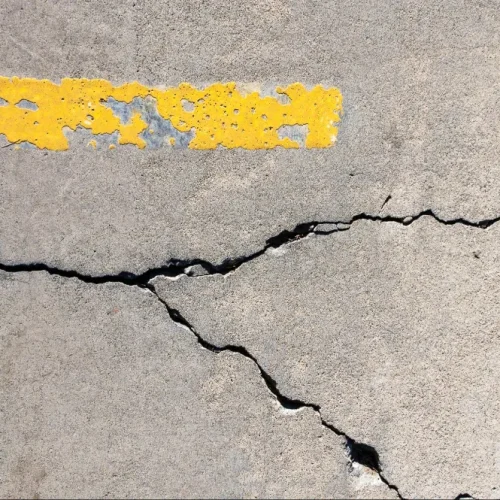
- Termite damage, crumbling wood, mystery cracks that look fresh
If something feels off structurally, don’t “just send it.” Structural surprises are where small projects turn into dangerous ones.
4) Air quality check
This part gets ignored constantly.
- Are you making dust today (sanding, drywall, tile, concrete)?
- Are you opening anything that might be moldy (bath walls, basement framing)?
- Are you using chemicals (paint, adhesive, stripper, solvents)?
Ventilation and the right mask choice should be decided before you start, not after you start coughing.
5) Older homes: know when to stop and test
If your home is older, this matters.
- Lead paint is common in homes built before 1978.
- Asbestos can show up in older flooring, pipe insulation, some textured ceilings, and more.
If you suspect lead or asbestos, stop and test. Disturbing it without precautions is not worth it. Not for your lungs, not for your kids, not for your future self.
Know what you’re dealing with: identify hidden hazards early
Hidden hazards are the ones that make people say, “I didn’t even see it coming.”
Here’s what to look for.
Electrical
Red flags:
- Old, brittle wiring or cloth-sheathed cable
- Knob-and-tube wiring (common in older homes)
- Overloaded circuits, warm outlets, buzzing switches
- “Mystery” switches that don’t seem to do anything
If you don’t understand what you’re seeing, pause. Electrical injuries are not forgiving.
Plumbing
Don’t start work until you know:
- Where the main water shutoff is
- Where fixture shutoffs are (and if they actually work)
- Whether a tiny leak is already feeding hidden mold
Also, hot water lines can burn you fast. Especially in tight vanity spaces where you’re half twisted, half rushing.
Structure
If you are cutting into walls, ceilings, or floors:
- Confirm what might be load-bearing
- Watch for sagging joists, rot, and termite damage
- Don’t assume the last person did it right
Air quality (again, because it’s the quiet threat)
- Drywall dust and sawdust irritate, sure
- Silica dust from tile and concrete is a bigger deal
- Mold exposure can hit hard, especially for sensitive lungs
Gear that actually prevents injuries (not the stuff you buy and never wear)
You don’t need a bunker. But you do need the right gear, and it needs to be within reach.
Eye protection
- Safety glasses for most cutting and drilling
- Sealed goggles for overhead drilling, heavy demo, insulation, or anything that creates fine dust that floats
If you’ve ever had drywall dust in your eyes, you already know why this matters.
Respiratory protection
Quick guide:
- N95: basic dust, light sanding, general cleanup
- P100: heavy dust, tile cutting, concrete work, insulation, lots of demo
- Cartridge respirator: paints, solvents, adhesives, strong fumes (dust masks are not enough here)
Gloves
- Cut-resistant gloves for demo, handling tile, metal, and broken wood
- Chemical-resistant gloves for solvents, strippers, and adhesives
Footwear
- Closed-toe boots, anti-slip soles
- Avoid sandals. Also, avoid stepping on debris in your soft running shoes. Nails love those.
Hard hats (only where it makes sense)
- Ceiling demo, overhead work, attic framing, pulling down drywall
- If nothing is overhead, you can skip it. But don’t be proud about that.
The big four accident zones (and how to avoid them fast)
Most home renovation injuries cluster into four categories:
- Falls
- Cuts and crush injuries
- Electrical shocks and fires
- Dust, fumes, and chemical exposure
Here’s the fast prevention playbook.
1) Falls: ladders, stairs, and cluttered floors
Mini-checklist:
- Use the right ladder height and stable footing
- Keep 3 points of contact
- Never stand on the top step
- Don’t overreach. Move the ladder. Yes, again
- Use a platform ladder indoors when you can
- Add portable work lights so you can actually see
- Tape down drop cloth edges. Avoid loose plastic
- Do a 2-minute cleanup reset every hour
Falls don’t just bruise you. They can cause head injuries, back injuries, and long recoveries. The kind that mess with work and parenting and everything else.
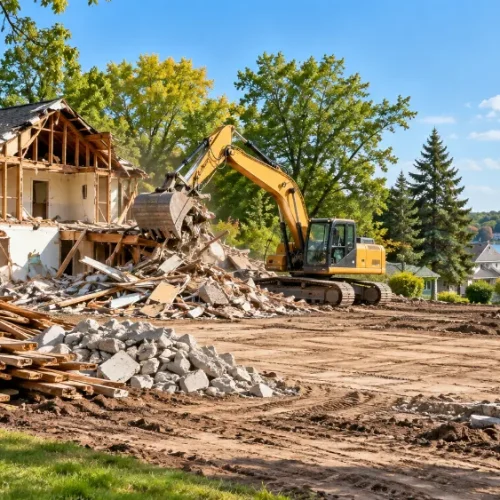
2) Cuts and crush injuries: demo days are the danger days
Mini-checklist:
- Stable stance. Don’t demo while off-balance
- Keep your non-tool hand out of the path (especially with recip saws)
- Use sharp blades. Dull blades slip
- Retract or cover blades when walking around
- Magnetic sweep for nails and screws
- Dedicated debris bin. Not a growing pile in the corner
- Never try to catch falling materials. Step back
- Use dollies. Team lift doors and drywall
Also, fatigue is real. When you notice you’re getting sloppy, stop. That is usually the moment before someone gets hurt.
3) Electrical shocks and fires: what DIYers get wrong
Mini-checklist:
- Shut the power off at the breaker, not just the switch
- Verify with a non-contact voltage tester
- Use GFCI protection in kitchens, baths, garages, and exterior
- Temporary GFCI adapters are great for tools
- Use the correct gauge extension cords
- Don’t daisy-chain extension cords
- Keep cords out of water and out of walkways
- Maintain clearance around heat guns and space heaters
- Never leave heat guns or space heaters unattended
- Keep heat sources away from dust piles and rags
When to call a licensed electrician:
- Panel work
- Aluminum wiring
- Frequent breaker trips
- Burning smells, warm outlets, buzzing
- Anything that makes you uneasy, but you keep doing anyway
4) Dust, fumes, and chemicals: the injuries you don’t feel until later
Mini-checklist:
Use containment
- Zip walls or plastic barriers
- Tape seams, cover vents if needed
Simple negative pressure setup
- A box fan in a window blowing out
- Furnace filter taped to the fan intake side (basic but helpful)
Silica dust (tile, concrete)
- Wet cutting when possible
- HEPA vac, not a regular shop vac
- P100 protection for heavy exposure
Paint and adhesives
- Ventilate, then ventilate more
- Store oily rags safely (they can combust)
- Give the area a cure time before sleeping there
Never mix chemicals. Ever.
- Bleach + ammonia is a classic dangerous combo
Room-by-room safety shortcuts (kitchen, bath, basement, exterior)
Different rooms have different traps.
Kitchen
- Lots of sharp tools and multiple trades happening at once
- Manage cords so you’re not stepping over them
- Know gas and water shutoffs before you disconnect anything
- Keep a fire extinguisher accessible, not buried
Bathroom
- Water + electricity risk is constant
- Mold behind tile is common. Don’t blindly rip and breathe it
- Slip hazards go up when floors are wet or dusty
Basement and attic
- Low clearance, weird nails, poor ventilation
- Pests, droppings, and insulation irritation
- Wear eye protection and a real mask. Basements get musty fast
Exterior and roof
- Wind changes everything
- Set ladders on stable ground, use levelers if needed
- Don’t work on a roof if you’re not confident. That’s not “being scared.” That’s being smart
Garage and workshop
- Chemical storage matters (sealed, labeled, away from flames)
- Battery tools and chargers can overheat if buried under junk
- Keep a basic fire safety plan and clear exits
Keep kids, pets, and other adults safe while work is happening
Even if you are careful, someone else can wander into the mess.
Do this:
- Physical barriers: baby gates, temporary doors, latches
- Daily tool lockdown: blades, nails, screws, solvents, batteries out of reach
- Schedule high-dust, high-noise work when others are out
- Put up simple signs: “No entry. Tools in use.” or “Mask required past this point.”
- Don’t let visitors “help” without PPE and a 60-second task briefing
Most injuries with kids and pets happen when you turn your back for a minute.
Contractors and helpers: how to avoid liability and injuries on your project
If you bring in help, you’re also bringing in risk. Manage it up front.
Vet contractors
- Proper licensing (where required)
- Proof of insurance: general liability + workers’ comp
- References that actually check out
Set clear agreements and responsibilities
- Written scope and change orders reduce rushed decisions
- Define who supplies PPE
- Define who controls site access
- Define who handles debris and daily cleanup
If you hire day labor or friends
- Set expectations
- No unsafe tool sharing
- Give someone stop-work authority
Also, take photos of hazards and fixes. It’s not dramatic. It’s accountability.
If an accident happens: what to do immediately (and why it matters)
If something goes wrong:
- Stop work
- Make the area safe (power off, tools down, clear hazards)
- Basic first aid, and call emergency services when needed
Then document:
- Photos of the scene, tool, cords, debris, ladder position
- Keep receipts and medical notes
- If a contractor is involved, report it in writing
And please do not “tough it out” with:
- Head injuries
- Deep cuts
- Electrical shock (even if you feel fine)
- Breathing issues after dust or fumes
This is where the personal injury side becomes real. An injury can mean lost wages, a long recovery, and a lot of stress that hits your whole household. If someone gets hurt on your property, it may also be worth getting help to understand your options.
The “fast” safety checklist you’ll actually use (print this before you start)
Pre-work (2 minutes)
- PPE on (eyes, lungs, hands, shoes)
- Path cleared from entry to workspace
- Power shutoff identified, and tester ready
- Water and gas shutoffs known (if relevant)
- Ventilation set (fan, window, filter)
- Debris bin and broom or vac ready
During work
- Ladder rules every time
- Cord control, no tangles in walkways
- Cut away from your body, stable stance
- No rushing on demo or cutting
- Clean-as-you-go (2-minute reset each hour)
- Hydrate, take breaks, stop when sloppy
End-of-day (5 minutes)
- Tool lockdown (blades, nails, solvents, batteries)
- Debris bagged, nails swept, or magnet-swept
- Chemicals are sealed and stored safely
- Walkways clear, lights off, doors secured
- Quick check for smolder risks (rags, heat tools, chargers)
Wrap-up: renovate faster by staying injury-free
Most renovation accidents are preventable. Not by being perfect. Just by planning for 10 minutes, wearing the gear that matters, and keeping the workspace clean enough that you’re not constantly saving yourself from tripping.
Slow down on the risky minutes. Demo. Cutting. Electrical. Dusty work. That’s it.
Pick one safety upgrade today and actually use it. A GFCI adapter. A better ladder. A HEPA vac. A P100 mask for tile work.
And if someone does get hurt because somebody cut corners, don’t brush it off. Get medical care, document what happened, and consider getting help to understand what next steps even look like.