This post contains affiliate links. As an Amazon Associate, I earn from qualifying purchases, at no extra cost to you. See our disclosure policy.
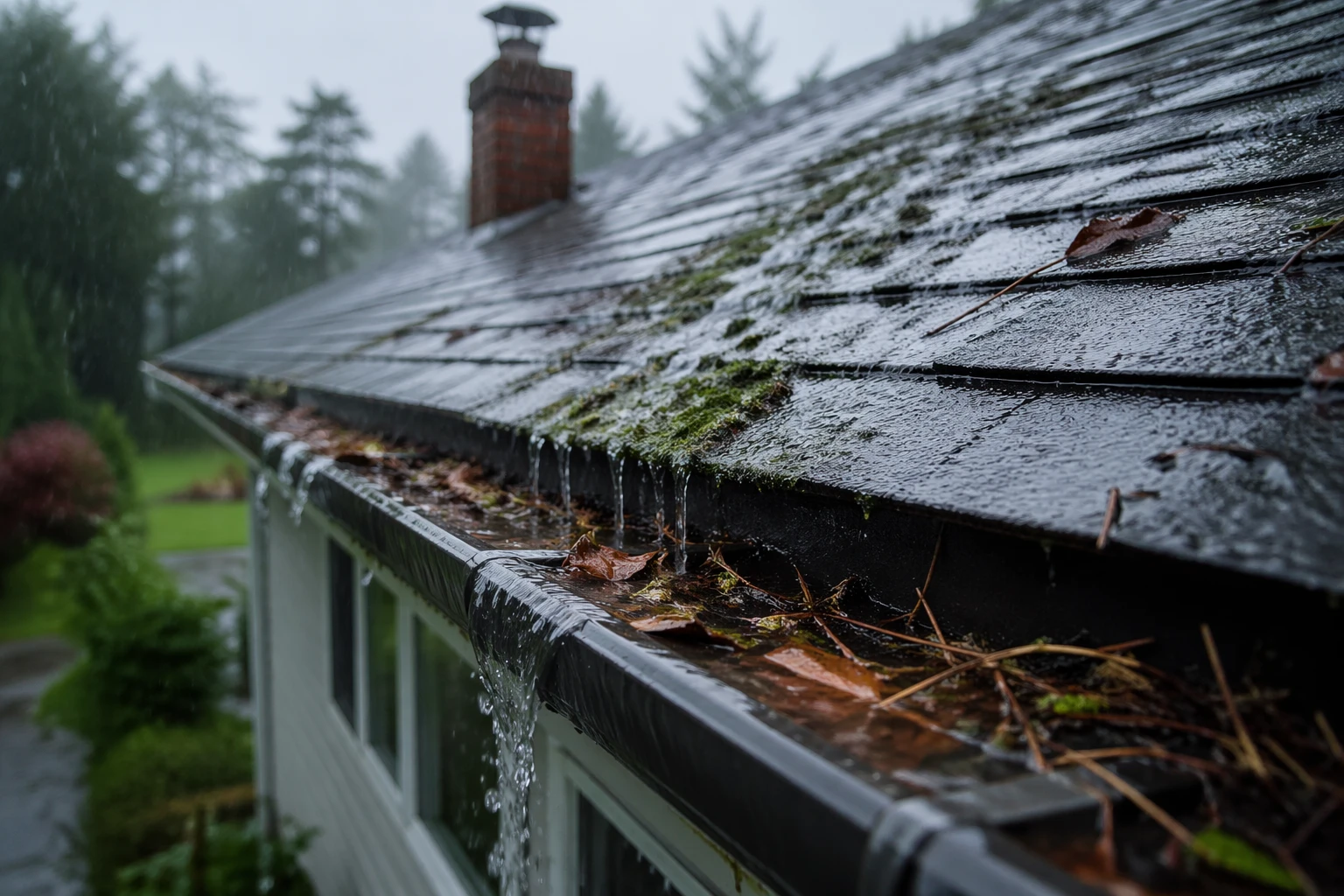
Spring rain feels harmless. Almost comforting. Until you realize it’s exposing hidden roof problems you didn’t even know existed.
April rainstorms don’t just wet your roof—they test it. Every slope, every seam, every drainage path gets pushed. And when something isn’t working the way it should, water shows you. Clearly. Quickly. Sometimes expensively.
I’ve seen it over and over again. Homeowners assume their roof is fine because it “looks okay” on a sunny day. Then spring hits. Water starts moving differently. Streaks appear. Gutters overflow. Suddenly, small issues turn into visible warning signs.
This article breaks it all down. What to look for. What it means. And how to read your roof during spring rain so you can catch hidden roof problems before they get worse.
Why Spring Rain Is the Ultimate Roof Stress Test
Winter weakens your roof. Spring exposes it.
Temperature shifts cause materials to expand and contract. Sealants loosen. Debris builds up quietly. Then April arrives—with consistent, sometimes heavy rain.
That combination matters.
Spring rain doesn’t just fall—it lingers. It flows. It finds resistance. And when something is off, water reacts immediately.
Here’s why this season reveals so much:
- Increased rainfall volume stresses drainage systems
- Residual winter debris blocks normal water flow
- Minor cracks or gaps become active leak points
- Longer wet periods highlight slow drainage issues
This is exactly when hidden roof problems surface. Not because they’re new—but because conditions finally expose them.
How Water Behavior Reveals Hidden Roof Problems
Water tells the truth. Always.
When your roof is functioning properly, rainwater should move quickly and consistently toward gutters and downspouts. No hesitation. No pooling. And no strange patterns.
But when something’s wrong? You’ll see it.
Watch for these patterns:
- Water slowing down in certain areas
- Unusual pooling on flat or low-slope sections
- Overflowing edges where water can’t drain properly
- Water diverting sideways instead of downward
Each one points to a disruption. And often, that disruption is tied to hidden roof problems that aren’t visible in dry conditions.
If you’re unsure, observe your roof during a steady rain (safely, from the ground). The behavior alone can reveal more than a quick visual inspection ever could.
Streaking and Staining: What Those Dark Lines Really Mean
Those dark streaks on your roof? They’re not just cosmetic.
In many cases, streaking forms from a combination of moisture, algae, dirt, and slow-moving water. During spring rain, these patterns become more obvious.
And here’s the key—streaks often follow water flow.
What streaking can indicate:
- Consistent moisture retention in specific areas
- Improper drainage paths
- Early material wear or breakdown
- Accumulated debris altering water movement
If streaks appear uneven or concentrated in one area, that’s a red flag. It means water isn’t flowing the way it should—and that’s often tied to hidden roof problems beneath the surface.
Debris Buildup: The Silent Drainage Killer
Leaves. Twigs. Dirt. Even granules from your shingles.
They don’t look like much. But over time, they disrupt everything.
During winter, debris accumulates quietly. Then spring rain arrives—and suddenly, that buildup becomes a blockage.
Common effects of debris buildup:
- Water backing up behind debris piles
- Uneven runoff patterns across the roof
- Increased moisture exposure in certain sections
- Added weight on vulnerable areas
And here’s the problem. Debris doesn’t just sit there—it changes how water behaves. That’s how small blockages turn into hidden roof problems that affect your entire roofing system.
Clogged Gutters and Downspouts: Where Problems Begin
Your roof isn’t just shingles. It’s a system.
And your gutters are a critical part of it.
When gutters clog, water has nowhere to go. So it spills over. Or worse—it backs up onto the roof itself.
Signs to watch during spring rain:
- Water pouring over gutter edges
- Gutters sagging or pulling away
- Downspouts barely releasing water
- Splashback near your foundation
These aren’t minor issues. They’re direct contributors to hidden roof problems.
Because when water doesn’t exit properly, it finds another path. And that path often leads under shingles, into fascia boards, or toward structural components.
Ponding Water and Flat Roof Warning Signs
If you have a flat or low-slope roof, pay close attention.
Ponding water—where rain collects and sits—is one of the most serious warning signs you can see.
Causes of ponding:
- Blocked drains or scuppers
- Improper slope design
- Structural settling over time
During spring rain, ponding becomes obvious. You’ll see standing water long after the rain stops.
And here’s why it matters.
Water that sits doesn’t just evaporate harmlessly. It weakens materials. It seeps into seams. And it accelerates deterioration.
This is one of the most dangerous hidden roof problems because it compounds quickly.
Flashing Failures: Small Gaps, Big Consequences
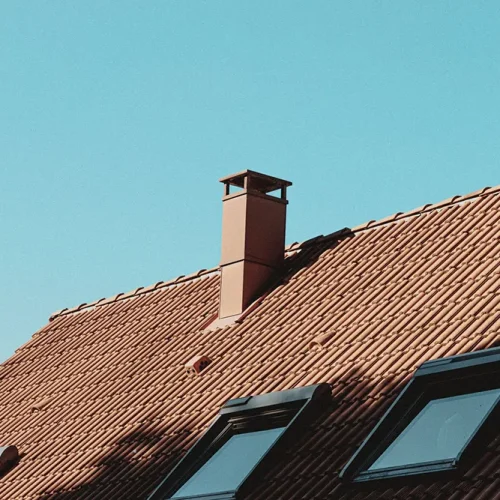
Flashing protects your roof’s most vulnerable points—chimneys, vents, skylights.
When flashing fails, water gets in.
Spring rain makes these failures visible.
Warning signs include:
- Water trails around roof penetrations
- Damp spots forming near chimneys or vents
- Leaks appearing after prolonged rain
These issues are easy to miss in dry weather. But once rain hits consistently, hidden roof problems related to flashing start to show.
And they don’t stay small for long.
Shingle and Surface Damage Revealed by Rain
Rain highlights surface imperfections.
What looks fine in sunlight can behave differently when wet.
Look for:
- Shingles lifting slightly as water passes
- Uneven coloration after rainfall
- Areas where water seems to linger
- Granules collecting in gutters
These are subtle signs. But together, they point to wear and tear that often leads to hidden roof problems beneath the visible layer.
Interior Clues After a Spring Storm
Your roof tells a story from the outside. Your home confirms it from the inside.
After a rainstorm, take a few minutes to check:
- Ceilings for discoloration
- Attic spaces for damp insulation
- Corners for musty smells
These signs don’t always appear immediately. But when they do, they often confirm deeper hidden roof problems that require attention.
The Role of Roof Cleaning in Preventing Drainage Issues
Let’s keep this simple.
Roof cleaning isn’t a cure-all—but it helps.
Removing debris, algae, and buildup improves water flow. It reduces strain on your drainage system. It also makes it easier to spot developing issues early.
If you’re dealing with heavy buildup, working with the best roof cleaning company Thurston County WA (or a trusted local provider in your area) can make a noticeable difference.
Just remember—cleaning supports your roof. It doesn’t replace repairs.
Simple Spring Roof Checks Every Homeowner Should Do
You don’t need to climb your roof to learn a lot.
Start with these safe checks:
- Observe water flow during rainfall
- Check gutters for overflow or blockage
- Look for visible debris accumulation
- Inspect downspout discharge areas
Document what you see:
- Take photos during and after rain
- Note recurring patterns or problem areas
These simple actions can help you catch hidden roof problems before they turn into major repairs.
When to Call a Professional
Some signs shouldn’t be ignored.
Call a professional if you notice:
- Persistent pooling water
- Repeated leaks in the same area
- Structural sagging
- Significant debris buildup you can’t safely remove
Professionals don’t just look—they diagnose. They identify hidden roof problems that go beyond what’s visible.
Cost of Ignoring Hidden Roof Problems
Let’s be real. Waiting costs more.
A small drainage issue today can turn into structural damage tomorrow.
Here’s how it escalates:
| Issue | Immediate Impact | Long-Term Cost |
| Minor clog | Slower drainage | Water damage |
| Small leak | Damp insulation | Mold growth |
| Ponding water | Material wear | Roof replacement |
Catching hidden roof problems early saves money. Every time.
Preventative Strategies Moving Forward
Spring isn’t just about reacting—it’s about preparing.
Smart preventative steps:
- Clean gutters seasonally
- Remove debris after storms
- Monitor roof performance during rain
- Schedule periodic inspections
Consistency matters. Because preventing hidden roof problems is always easier than fixing them.
Conclusion
Spring rain doesn’t create problems. It reveals them.
What you see during April storms—streaks, pooling, overflow—is your roof communicating. The question is whether you’re paying attention.
Because the sooner you identify hidden roof problems, the sooner you can fix them. And that’s how you protect your home, your budget, and your peace of mind.
FAQs
Hidden roof problems are issues like drainage blockages, small leaks, or material wear that aren’t visible until conditions like heavy rain expose them.
Spring rain is often consistent and heavy, which puts prolonged stress on your roof and highlights weaknesses in drainage and structure.
Look for slow-moving water, pooling, or overflowing gutters during rain—these are clear signs of potential hidden roof problems.
Not always, but uneven or heavy streaking can indicate moisture retention or poor drainage that may lead to deeper issues.
Overflow usually happens clogs from leaves, debris, or improper installation that prevents water from flowing freely.
Yes, standing water can weaken roofing materials over time and is one of the more serious hidden roof problems to address quickly.
You can perform basic checks from the ground, but avoid climbing the roof unless you have proper safety equipment and experience.
It’s best to check your roof during or right after major rainstorms to catch issues early.
Yes, removing debris improves drainage and reduces the risk of developing hidden roof problems.
If you notice recurring leaks, pooling water, or structural concerns, it’s time to have a professional inspection.