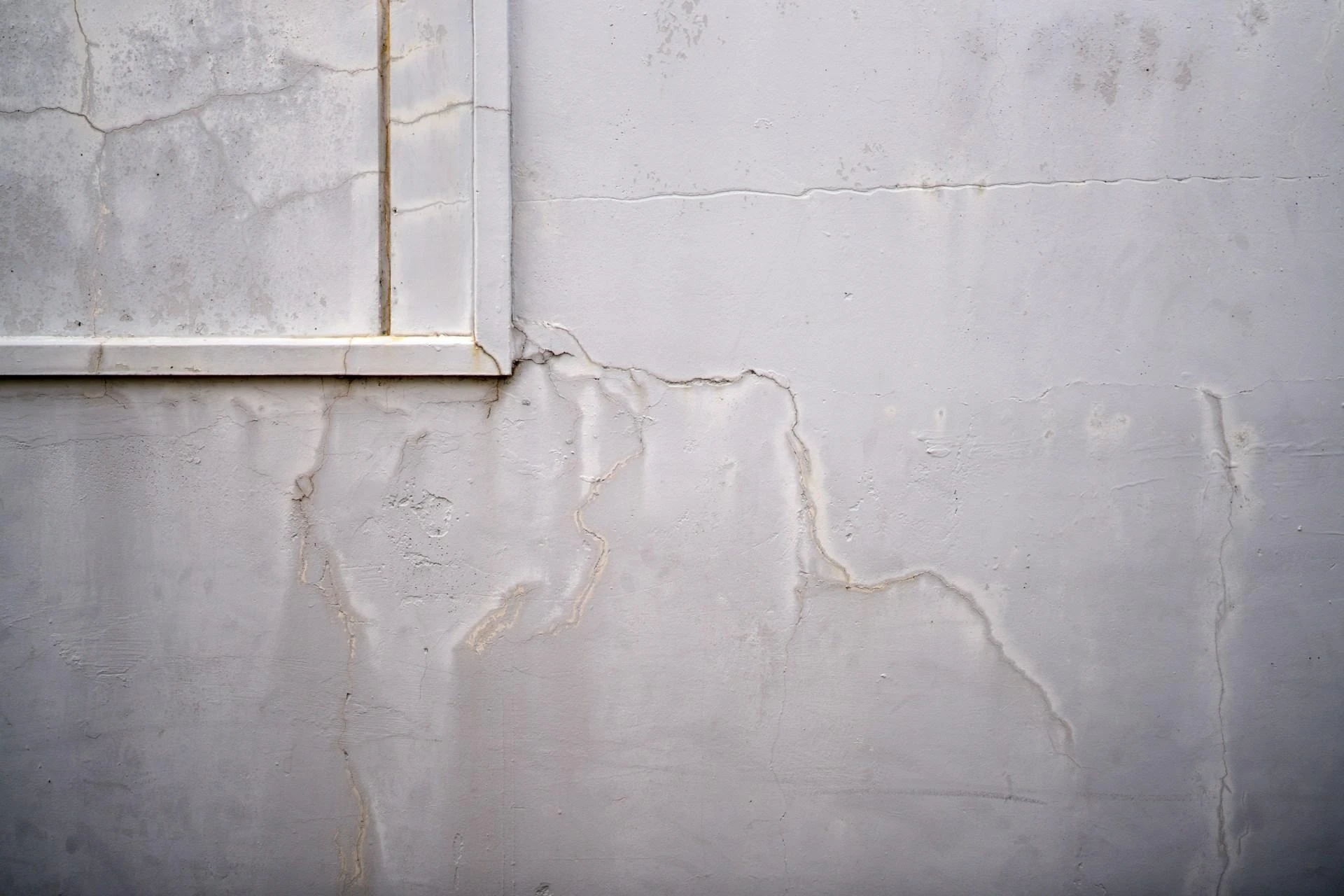
Ever peeled back a wall and found something you weren’t ready for?
Anyone who’s done even minor home upgrades knows the feeling. The paint goes on easy. The new lights look great. Then someone touches a baseboard, and suddenly there’s mold. Or a soft spot in the ceiling. Or worse, a slow leak that’s been dripping into the walls for years. Renovations reveal the truth. And sometimes, that truth is expensive, gross, or both.
Most people in Savage, MN, know what it’s like to face extreme weather. Snowmelt, rain, and humidity can turn into serious problems when moisture sneaks inside. You may not notice it for a while. Until one day, your floor buckles. Or the basement smells strange. And now your shiny renovation plan has hit a wall literally.
In this blog, we will share what lurks behind the drywall, how to catch it early, and why skipping this part of renovation is a risk not worth taking.
What You Miss Can Wreck Everything
Most home updates focus on what you can see. Fresh cabinets. Sleek tile. Soft-close drawers. All the stuff that looks good in Instagram reels.
But the real trouble lives behind the scenes. Water damage, mold, crumbling insulation, and slow leaks don’t make for pretty pictures. But they decide whether your investment holds up – or falls apart.
That’s where support makes or breaks the outcome. If you’re considering professional water damage restoration Savage MN offers options but stick with teams who don’t just patch the surface. The right experts read the signs others miss, fix what’s behind them, and leave no room for a repeat performance.
Many homeowners try to DIY things. Paint over the stain. Add a new floorboard. But moisture has a memory. It spreads quietly and brings friends. Mold, mildew, and decay show up later. By then, your repair bill has doubled.
The HGTV Effect Is Lying to You
We love a good “before and after.” Shows make it look easy. Demolition is fast. Big changes happen in a week. Everyone’s smiling. No one finds rot or a leaky foundation.
But that’s not how real homes work. Real walls hide damage. Real plumbing leaks. And real attics trap humidity. And fixing those things isn’t glamorous. It’s messy. Expensive. And necessary.
Skipping the boring stuff costs more later. You don’t want to tear up a brand-new kitchen because the wall behind it is growing mold. That’s not dramatic TV. That’s just stressful real life.
Water Is Not Just a Leak. It’s a Systemic Issue
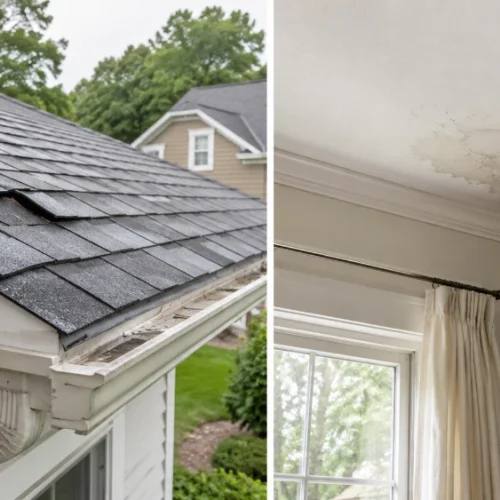
Leaks feel small. But they tell a bigger story. Poor drainage outside can cause pressure under your foundation. A tiny pipe issue can warp flooring across multiple rooms. What looks like a stain could mean your roof has been failing for years.
Moisture doesn’t stay put. It spreads. And it climbs drywall. It sits in insulation. And it eats wood. And it always finds the weak points.
Homeowners often react late. They wait until damage shows. The key is to act early, especially during renovations. That’s your one chance to look behind the walls. Don’t waste it.
Every Fix Is a Chain Reaction
You touch one thing. It affects five others. You fix a bathroom leak, and now the hallway needs new flooring. You swap out a ceiling light and discover your attic insulation is soaked.
Homes are connected. A failure in one area spreads. Renovation reveals this. That’s why smart homeowners treat upgrades as full-system checks, not isolated jobs.
Want to put in a new floor? Great. First check the subfloor. Is it dry? Is it level? Has moisture been creeping up? The new floor means nothing if it’s going over rot.
Restoration Should Be Part of Renovation
Putting up new tile is satisfying. So is fresh paint. But if what’s underneath is falling apart, the good looks won’t last.
Renovation isn’t just about making things pretty. It’s about checking what’s behind the walls and beneath the floors. Look for signs of moisture, weak spots, or air that doesn’t move like it should.
The best contractors don’t just ask for measurements. They ask if your crawl space smells musty. If your attic breathes properly. They care about things you can’t see but will definitely feel later.
That’s what makes the work last – not just through seasons, but through storms.
Your Home Needs More Than a Glow-Up
It’s not just about shiny new stuff. Your home needs support. That means solid framing, dry insulation, clean air, and working systems.
Cosmetic upgrades won’t matter if the base is cracked. Renovation is your chance to check the whole picture. Protect what matters. Replace what’s failing. Don’t skip what you can’t see.
Look deeper. Ask questions. Fix it right the first time.
That’s how you build a home that holds up – not just on a Pinterest board, but in real life.
FAQs
Renovations expose areas behind walls, floors, and ceilings where moisture, rot, or leaks can go unnoticed for years.
Mold, water damage, deteriorating insulation, and slow plumbing leaks are the most frequent surprises.
Yes, even minor leaks can spread moisture through walls and floors, leading to structural damage and mold growth over time.
Snowmelt, heavy rain, and humidity increase the chance of moisture intrusion and long-term water damage if systems aren’t sealed properly.
Skipping inspections is risky because hidden damage can destroy new finishes and dramatically increase repair costs later.
TV shows focus on visual results and timelines, not the messy, expensive repairs that happen behind the scenes.
They can temporarily, but moisture continues spreading underneath, often making the final repair much more expensive.
Yes, addressing moisture and structural issues during renovation prevents future tear-outs and repeat repairs.
Pay attention to musty smells, stains, soft spots, warped floors, or unexplained humidity before and during renovations.
Focusing only on appearance instead of treating the home as a connected system that needs structural and moisture checks.