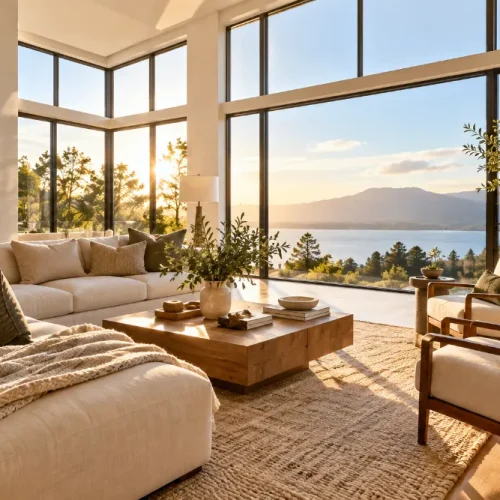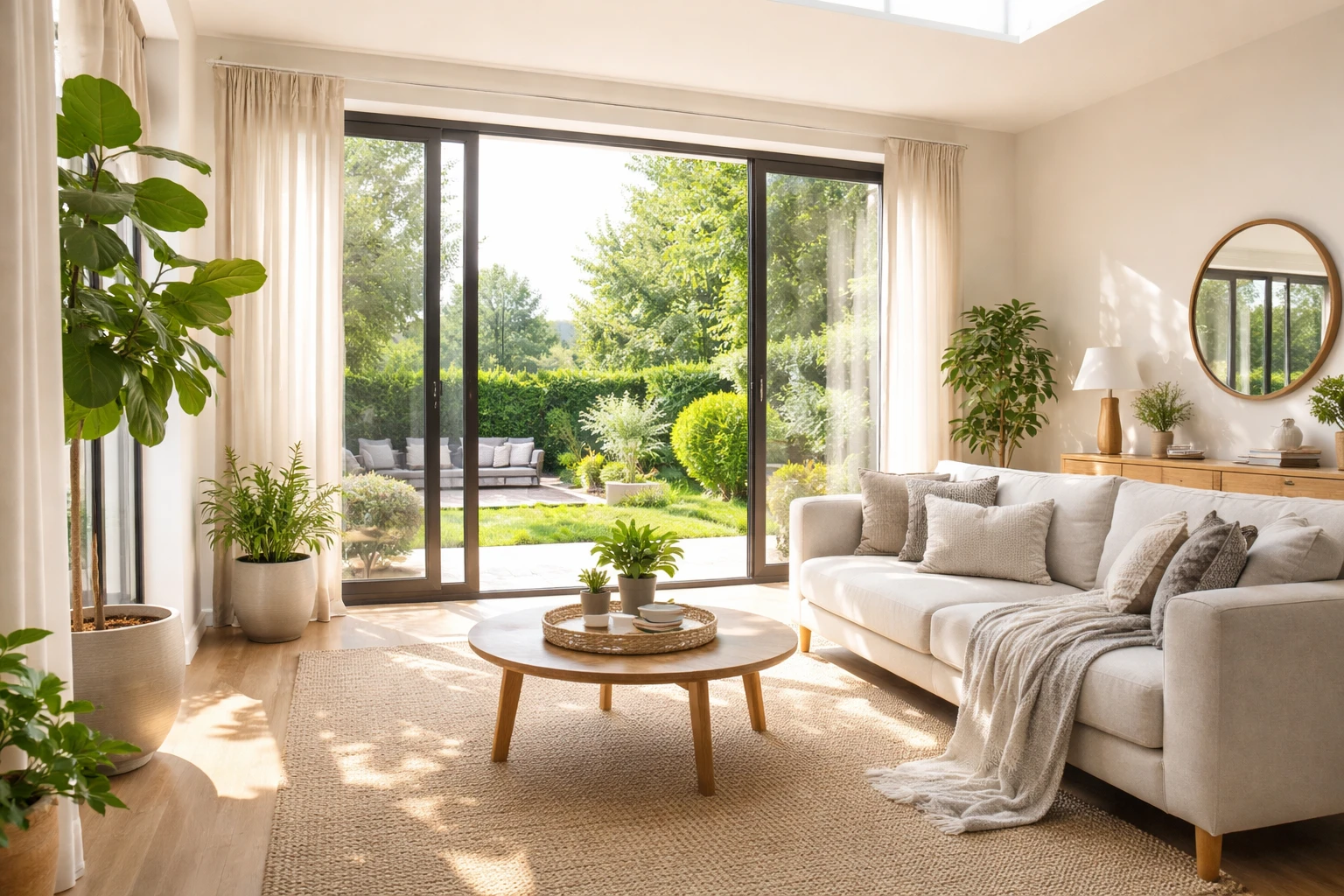
Natural light completely transforms a living space. It makes rooms feel significantly larger, boosts our daily mood, and highlights your interior design choices perfectly. However, chasing that sun-drenched aesthetic often leads homeowners to worry about their utility bills. After all, more glass historically meant more heat escaping during winter and pouring into the house during summer. Fortunately, modern home improvement techniques mean you can achieve a beautifully lit home without sacrificing indoor comfort. While there are plenty of excellent small changes that make a big visual impact on your home, evaluating your glazing and window setups is one of the most impactful, long-term steps you can take. Balancing light and thermal regulation is easier than ever.
Upgrading to Slimline and Secure Glazing
To maximise the amount of daylight entering a room, you naturally want window styles that offer expansive glass areas with minimal frame bulk. Outdated, chunky materials can block valuable sunlight and make a room feel visually closed off. Today, slimline materials are highly sought after because they offer incredible structural strength without the heavy visual weight. Because precision is absolutely required to achieve an airtight, energy-saving seal with these sleek modern profiles, relying on professional aluminum framed windows installers ensures your new fixtures are fitted perfectly. Proper installation eliminates the tiny, invisible gaps where air leakage frequently occurs. When paired with high-quality double glazing, these modern frames allow you to enjoy uninterrupted, beautiful views alongside a highly insulated, comfortable home.
The Hidden Cost of Poorly Performing Windows
Even with beautiful new frames, it is important to understand exactly why energy efficiency matters so much for your property. Older properties frequently feature single-pane glass, deteriorating seals, or warped timber frames that fail to provide adequate insulation over time. This creates unnoticeable draughts that force your climate control systems to work significantly harder just to maintain a baseline temperature. According to the U.S. Department of Energy, heat gain and heat loss through windows are responsible for 25% to 30% of residential heating and cooling energy use. This massive drain on your household budget proves that your windows are doing much more than just letting the sunshine in. They act as a critical, foundational barrier between your indoor environment and the extreme weather outside. Ignoring this aspect of home maintenance can easily cancel out other energy-saving efforts.
Practical Ways to Boost Natural Light Energy-Efficiently
Upgrading your physical windows is a highly effective primary step, but there are also several interior and exterior design techniques you can use to amplify natural light while keeping energy consumption remarkably low. Consider implementing the following strategies in your home:
- Strategic Mirror Placement: Hanging large mirrors directly opposite your primary windows bounces daylight deep into the room. This simple, budget-friendly trick essentially doubles the amount of sunlight without requiring any additional glazing or structural changes.
- Energy-Efficient Window Treatments: Opt for cellular shades, thermal blinds, or heavy drapery. These treatments trap a layer of air between the fabric and the glass, providing excellent insulation while still allowing soft, filtered light to enter when they are partially open.
- Trim Outdoor Foliage: Overgrown bushes and trees positioned right outside your house can block a massive amount of solar light. Keeping your exterior landscaping neatly pruned ensures your windows can do their job properly and allow maximum sunshine indoors.
- Light Colour Palettes: Painting your walls and ceilings in crisp whites or pale neutrals naturally reflects available light. Darker colours tend to absorb sunlight, meaning you will have to rely on electricity and artificial lighting much earlier in the evening.
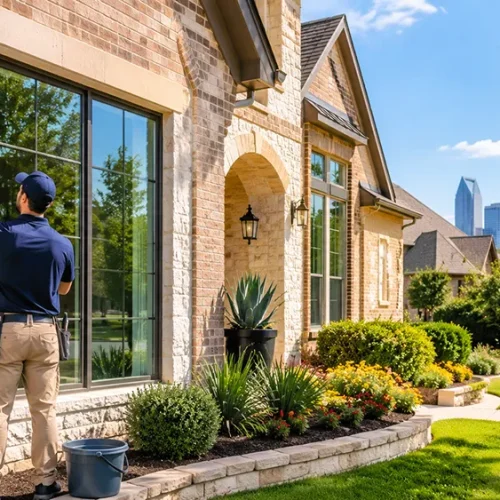
- Keep Glass Spotless: It sounds incredibly simple, but regular exterior and interior window cleaning removes built-up dust and grime that can surprisingly block a significant percentage of incoming sunlight over time.
Creating a Harmonious and Sustainable Home
Your home should be a comfortable sanctuary that feels intimately connected to the outdoors. You absolutely do not need to choose between living in a dark, insulated box and a bright, draughty sunroom. By combining smart design choices, thermal window coverings, and high-performance modern glazing, you can dramatically improve the aesthetic appeal and value of your property. Taking a balanced, thoughtful approach to your home improvements guarantees that your living spaces remain vibrant, welcoming, and cost-effective to run throughout every single season of the year. Investing in the right materials and professional help will pay dividends in lower utility bills and an enhanced quality of life for your family.
FAQs
Natural light enhances mood, makes spaces feel larger, and reduces the need for artificial lighting during the day.
Not anymore—modern double glazing and proper installation help large windows retain heat and improve insulation.
Slimline windows have thinner frames that allow more glass area, increasing daylight while maintaining structural strength.
They allow heat to escape or enter easily, forcing heating and cooling systems to work harder and increasing energy costs.
Yes, options like thermal blinds or cellular shades can filter light while improving insulation.
Mirrors reflect sunlight deeper into a room, effectively amplifying available daylight without adding more windows.
Yes, overgrown trees and shrubs can block sunlight, so regular trimming helps maximize natural light indoors.
Light colors like white or pale neutrals reflect sunlight, making rooms brighter and reducing reliance on artificial lighting.
Yes, dirt and grime can block sunlight, so clean windows allow more light to pass through efficiently.
Absolutely—professional installation ensures airtight seals, preventing drafts and maximizing both light and energy efficiency.