Most homeowners rarely think about what’s happening above their ceiling—until something goes wrong. That’s a mistake. If you take the time to inspect your attic, you can catch small issues before they become expensive repairs. And trust me, those hidden problems add up fast.
I’ve seen it happen. A tiny leak ignored for months turns into rotted wood. A small insulation gap quietly drives up energy bills. Poor airflow slowly shortens the life of an entire roof. It doesn’t take long.
The good news? You don’t need to be an expert to inspect your attic properly. You just need a simple checklist, a careful eye, and a little consistency.
And when things go beyond what you can handle, that’s when calling in the best roofing contractor in Waverly Nebraska (or a trusted local professional in your area) makes all the difference.
Let’s walk through exactly how to do it.
Why Regular Attic Inspections Matter More Than You Think
Your attic is the buffer between your living space and the outside world. It absorbs heat, moisture, cold air, and everything in between.
Ignore it, and problems stay hidden.
Inspect it regularly, and you stay in control.
Here’s what a simple attic check helps you prevent:
- Expensive roof repairs
- Mold growth and air quality issues
- Energy loss from poor insulation
- Structural damage over time
- Pest infestations
When you inspect your attic consistently, you shift from reactive to proactive. That’s where real savings happen.
When Should You Inspect Your Attic?
Timing matters. You don’t need to check your attic every month, but you do need a routine.
Recommended Schedule
- Twice a year (spring and fall)
- After major storms
- When you notice warning signs
Warning Signs You Shouldn’t Ignore
- Rising energy bills
- Musty or damp smells
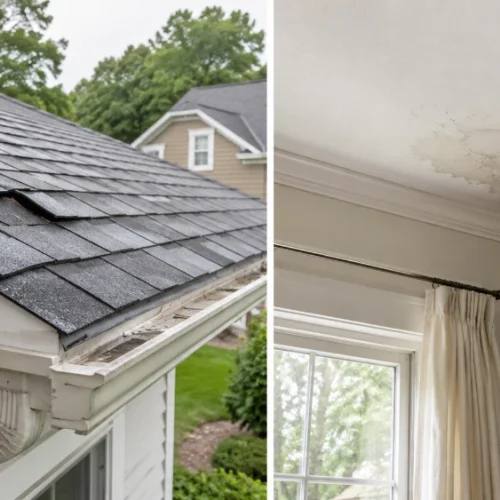
- Ceiling discoloration
- Uneven indoor temperatures
If you notice any of these, don’t wait. Go inspect your attic right away.
Safety First: How to Prepare Before You Go Up
Before you climb up there, slow down. Attics aren’t designed for casual walking.
Basic Safety Checklist
- Wear gloves, long sleeves, and a dust mask
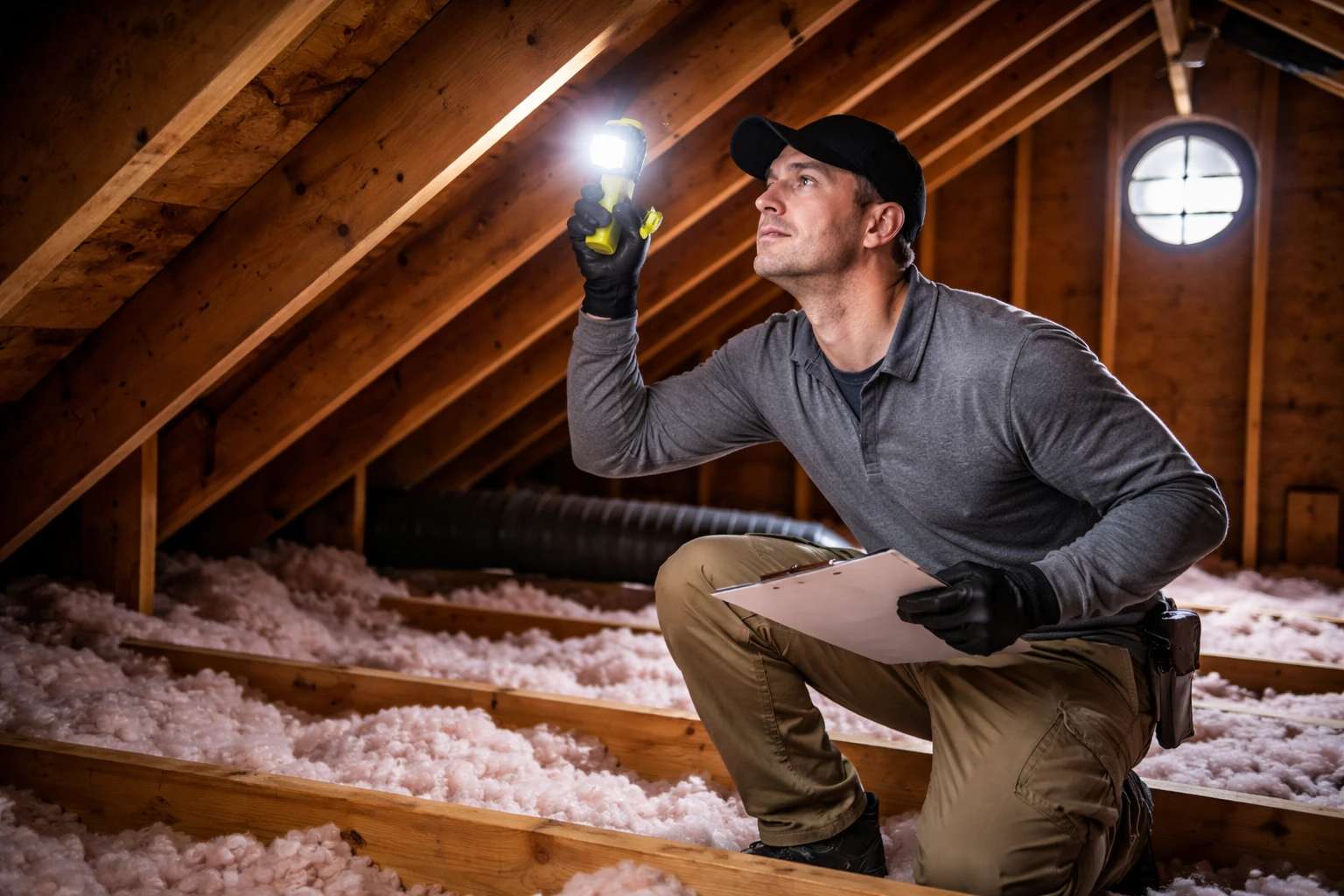
- Use a bright flashlight or headlamp
- Step only on joists—not drywall
- Bring a phone for photos
Simple Tools That Help
| Tool | Why It Matters |
| Flashlight | Helps spot moisture, gaps, and damage |
| Camera/Phone | Document issues for later |
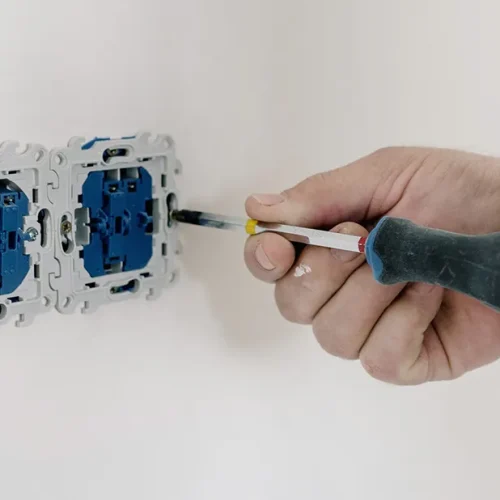
| Screwdriver | Test wood softness (rot) |
| Moisture meter (optional) | Detect hidden dampness |
Preparation makes your inspection faster—and safer.
Step-by-Step Guide to Inspect Your Attic
This is where the real value kicks in. Follow this checklist every time you inspect your attic, and you’ll catch what most homeowners miss.
Check for Moisture and Water Damage
Start here. Always.
Moisture is the silent destroyer of homes.
Look closely at:
- Roof decking
- Rafters and beams
- Insulation surfaces
Signs of Trouble
- Dark stains or streaks
- Damp or clumped insulation
- Mold or mildew patches
- Musty odors
Even small moisture spots matter. They often signal a slow leak that’s been building for months.
What Causes It?
- Roof leaks
- Poor ventilation
- Condensation buildup
If you find moisture, don’t ignore it. Fixing it early can save thousands.
Look for Daylight Coming Through the Roof
Turn off your flashlight for a moment. Let your eyes adjust.
Do you see light coming through the roof boards?
That’s not normal.
What Light Means
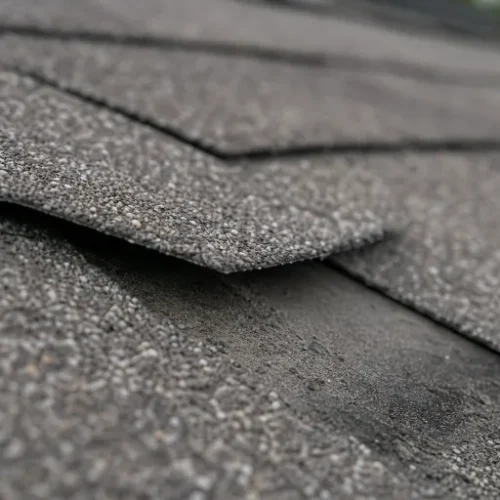
- Missing or damaged shingles
- Cracks in the roof deck
- Gaps around vents or chimneys
Even a pinhole can let water in during heavy rain. If you spot daylight, you need to act quickly.
Inspect Insulation for Gaps or Damage
Insulation is your home’s thermal shield. When it’s compromised, your energy bills feel it.
What Healthy Insulation Looks Like
- Even coverage
- Fluffy, not compressed
- No exposed attic floor
Red Flags
- Bare spots or thin areas
- Flattened or compacted insulation
- Signs of disturbance from pests
Why It Matters
Poor insulation leads to:
- Higher heating and cooling costs
- Uneven indoor temperatures
- Increased strain on HVAC systems
When you inspect your attic, always take a moment to evaluate insulation. It’s one of the easiest fixes with the biggest payoff.
Evaluate Airflow and Ventilation
This is the most overlooked part of any attic inspection. And it’s a big one.
Your attic needs to breathe.
Check for Proper Ventilation
- Soffit vents (intake) should be clear
- Ridge or roof vents (exhaust) should be functional
- No insulation blocking airflow paths
Signs of Poor Airflow
- Excess heat in summer
- Moisture buildup
- Frost in colder seasons
Bad ventilation doesn’t just affect comfort—it shortens the life of your roof.
Scan for Structural Issues
Now look at the bones of the attic.
This part requires attention to detail.
What to Inspect
- Rafters and trusses
- Roof decking
Warning Signs
- Sagging wood
- Cracks or splits
- Soft or spongy areas
- Warping
Structural issues don’t fix themselves. If you see anything suspicious, it’s time to bring in a professional.
Check for Pest Activity
Pests love attics. Quiet, warm, and hidden—it’s perfect for them.
What to Look For
- Droppings
- Nesting materials
- Chewed wood or wires
- Strange smells
Rodents can damage insulation and wiring. That’s not just annoying—it’s dangerous.
Look for Electrical Hazards
This step is quick but important.
Watch for:
- Exposed wiring
- Damaged cables
- Burn marks
- Overloaded junction boxes
Electrical issues in the attic can lead to fires. If something looks off, don’t touch it—call an electrician.
When to Call a Roofing Contractor
There’s a point where DIY stops being smart.
If you notice any of the following while you inspect your attic, it’s time to bring in a professional:
- Structural damage to rafters or decking
- Persistent or widespread leaks
- Large gaps letting in daylight
- Mold growth that keeps returning
A qualified roofing contractor can assess the full extent of the issue and recommend the right fix. Waiting only makes it worse.
Common Mistakes Homeowners Make
Even when people try to inspect their attic, they often miss key details.
Avoid These Mistakes
- Only checking once a year
- Ignoring small stains or smells
- Walking directly on insulation
- Overlooking ventilation issues
- Failing to document problems
Consistency beats perfection. The more often you inspect your attic, the better you get at spotting changes.
Seasonal Attic Inspection Tips
Different seasons bring different risks. Adjust your focus accordingly.
Spring
- Check for moisture damage from winter
- Look for mold or damp insulation
Summer
- Assess heat buildup
- Confirm ventilation is working
Fall
- Prepare insulation for colder months
- Seal any gaps
Winter
- Watch for condensation
- Check for frost buildup
Each season tells a different story. Pay attention.
Quick Attic Inspection Checklist
If you want something simple to follow, use this:
- Moisture or water stains
- Daylight through roof boards
- Insulation gaps or damage
- Proper airflow and ventilation
- Structural integrity
- Pest activity
- Electrical safety
Run through this list every time you inspect your attic. It takes less than 20 minutes once you get used to it.
Final Thoughts: Make Attic Inspections a Habit
Here’s the truth. Most major home repairs don’t start as major problems.
They start small. Quiet. Hidden.
That’s why taking the time to inspect your attic is one of the smartest habits you can build as a homeowner. It’s simple. It’s quick. And it works.
You don’t need special training. You don’t need expensive tools. And you just need to show up, look carefully, and take action when something feels off.
Do it twice a year. After storms. Anytime something seems unusual.
And when you spot something beyond your comfort level, don’t hesitate to call a professional. That one decision can save your roof—and your wallet.
Start today. Grab a flashlight. Climb up there. And inspect your attic like a pro.
FAQs
You should inspect your attic at least twice a year and after any major storm or unusual weather event.
Moisture damage is the most common issue, often caused by small roof leaks or poor ventilation.
Yes, as long as you follow safety precautions like proper footing, protective gear, and good lighting.
Seeing daylight usually indicates gaps or damage in the roof that could allow water to enter.
Look for uneven coverage, flattened areas, or exposed spots where insulation is missing.
Yes, poor airflow can trap heat and moisture, which can shorten the lifespan of your roof.
Check for droppings, nesting materials, chewed wires, or unusual odors.
Call a professional if you find structural damage, persistent leaks, or large openings in the roof.
A thorough inspection typically takes 15–30 minutes once you know what to look for.
Yes, insulation gaps and poor ventilation can significantly raise heating and cooling costs.