Homeownership is one of the most significant financial commitments a person can make, and protecting that investment requires consistent effort throughout the year. Bethel Park, Pennsylvania homeowners understand this well, as shifting seasons bring unique challenges that can quietly wear down a property if left unaddressed.
Building smart, steady maintenance habits into your routine prevents costly repairs and keeps your home in excellent shape, no matter what time of year it is. The key is treating maintenance as a year-round practice rather than something you scramble to address when a problem becomes impossible to ignore.
Your Roof Is the First Line of Defense
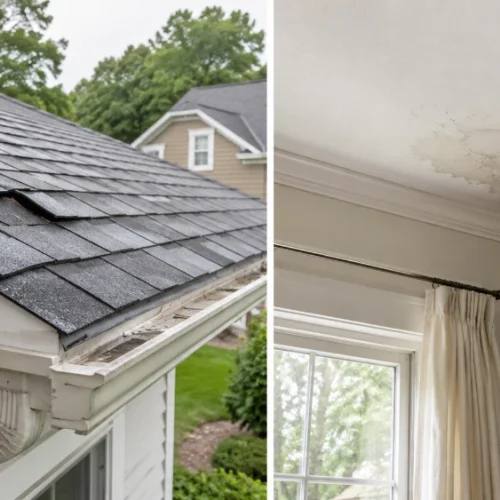
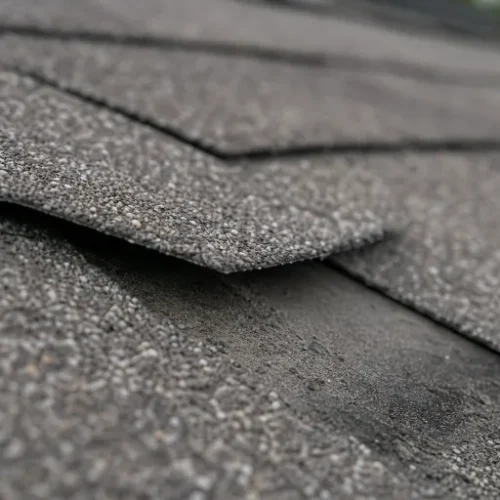
Most homeowners only think about their roof when something visibly goes wrong, and by that point, the damage has usually already spread. A roof bears the full weight of every season, from summer heat to winter frost, which means it deserves consistent attention well before problems become obvious. Twice a year, walk the perimeter of your property and visually inspect the roof from the ground. Look for missing or curling shingles, sagging areas, or debris buildup after storms.
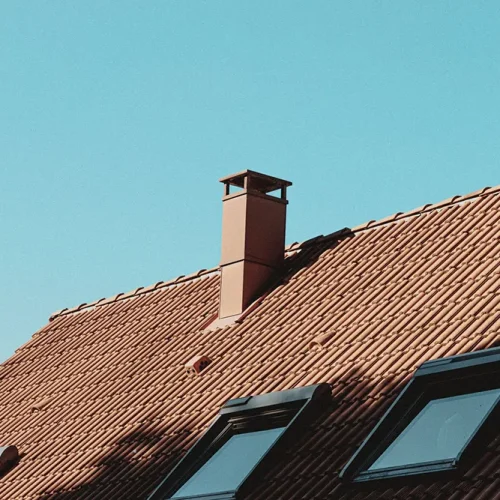
Check for cracked flashing around chimneys and vents, as these are common entry points for moisture. Gutters pulling away from the roofline or clogged with leaves are early warning signs that should not be ignored. For anything beyond a basic visual check, calling in a qualified Bethel Park roofing company ensures a thorough inspection that catches small vulnerabilities before they become expensive structural problems. Staying ahead of roof maintenance is one of the smartest habits a homeowner can develop because a compromised roof affects everything it shelters.
Keep Your HVAC System in Good Working Order
Your heating and cooling system works hard year-round, and neglecting it leads to higher energy bills and unexpected breakdowns. Replace air filters every one to three months, depending on usage. A clogged filter forces the system to work harder than it needs to, which shortens its lifespan considerably.
Schedule a professional service check once before summer and once before winter to ensure the system is clean, calibrated, and ready for peak demand. Clear any debris from around outdoor units and make sure vents inside the home are unobstructed. These small steps go a long way in maintaining comfort and avoiding mid-season failures.
Inspect Windows and Doors Regularly
Gaps and cracks around windows and doors are among the most common causes of energy loss in a home. Over time, weatherstripping wears down and caulking shrinks or peels, allowing outside air to seep in and conditioned air to escape. Once or twice a year, run your hand along the edges of windows and doors to feel for drafts.
Replacing worn weatherstripping and reapplying caulk where needed is a simple task that has a noticeable impact on both comfort and energy efficiency. Also, check that window locks and door hardware operate smoothly, as these affect both security and the integrity of the seal.
Stay on Top of Plumbing Maintenance
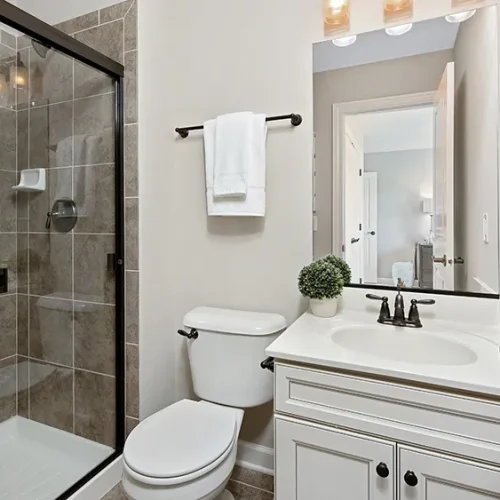
Water damage is among the most destructive and expensive problems a homeowner can face, and most of it is preventable with routine attention. Check under sinks periodically for any signs of moisture, discoloration, or slow drips. Inspect the caulking around bathtubs, showers, and sinks, and reseal anywhere it looks cracked or worn.
Know where your main water shutoff valve is located so you can act quickly in an emergency. During colder months, protect exposed pipes in unheated spaces like garages or basements with insulation to prevent freezing. Catching a small leak early costs far less than repairing water-damaged floors, walls, or ceilings later.
Maintain Your Home’s Exterior Surfaces
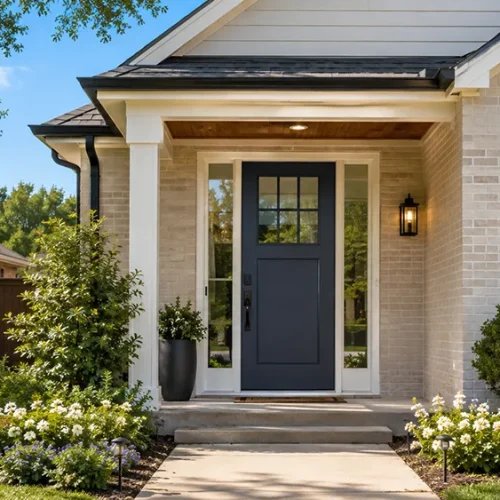
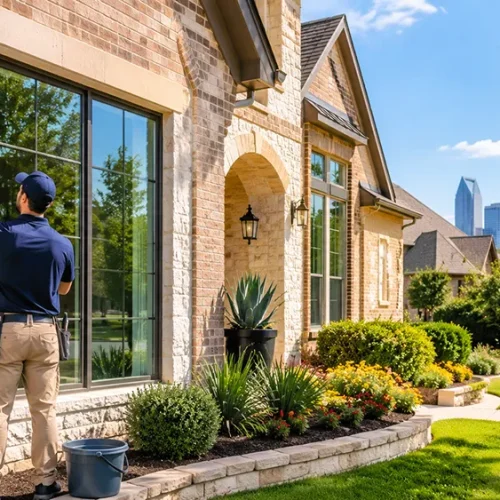
The exterior of your home takes constant abuse from the sun, rain, wind, and temperature changes. Inspect the siding or exterior walls annually for cracks, peeling paint, or signs of rot. Wood surfaces in particular need to be sealed and repainted on a regular cycle to prevent moisture from penetrating.
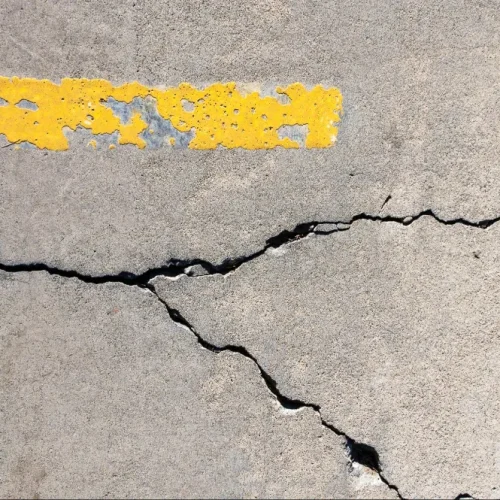
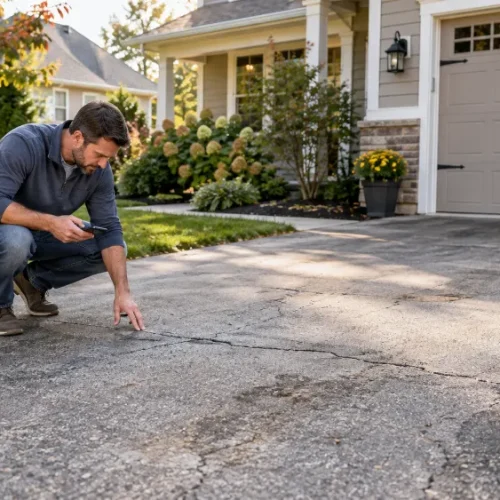
Driveways and walkways should be checked for cracks each spring and filled promptly before water seeps in and expands them further during freeze and thaw cycles. A well-maintained exterior does more than look good. It acts as a protective barrier that keeps structural issues from developing beneath the surface.
Look After Your Electrical System
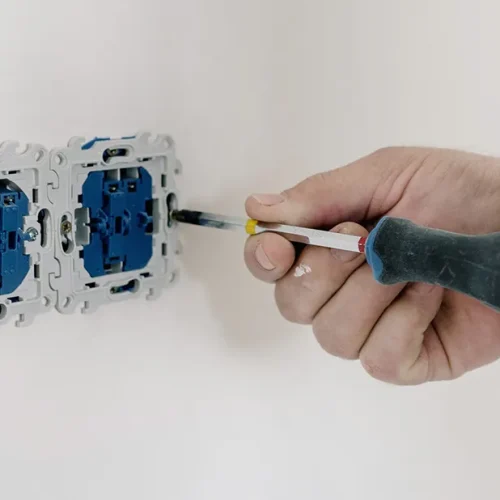
Electrical maintenance is often overlooked because most of the system is hidden behind walls, but there are visible checks every homeowner should perform regularly. Test smoke detectors and carbon monoxide alarms monthly and replace batteries at least once a year. Check that outdoor outlets have proper covers and that no extension cords are being used as permanent wiring solutions.
If you notice flickering lights, tripped breakers that reset repeatedly, or outlets that feel warm to the touch, have a licensed electrician take a look. These are signs of underlying issues that should never be ignored. Addressing electrical concerns promptly protects both your home and the people living in it.
Take Seasonal Maintenance Seriously
Every season brings its own set of tasks. In spring, inspect the property for any damage caused by winter and clean gutters thoroughly. Summer is a good time to check irrigation systems, outdoor lighting, and the condition of decks or patios. Fall calls for clearing gutters again, checking insulation in the attic, and making sure heating systems are ready before temperatures drop.
Winter maintenance focuses on monitoring for ice buildup, checking that pipes remain protected, and ensuring entryways are clear and safe. Treating each season as an opportunity to assess and address specific areas of the home keeps the overall maintenance load manageable and prevents any single issue from growing unchecked. A seasonal checklist approach also makes it easier to delegate tasks or track what has already been done.
A home rewards the attention you give it. Staying consistent with inspections, addressing small problems before they grow, and treating maintenance as an ongoing priority rather than a reaction to emergencies is what separates homeowners who preserve their investment from those who find themselves facing avoidable and expensive repairs. Small habits practiced regularly add up to real, lasting protection.
FAQs
Most tasks should be done seasonally, with some like HVAC filter changes and safety checks done monthly or quarterly.
The roof protects your entire home, and small issues can quickly turn into costly structural damage if ignored.
Air filters should typically be replaced every 1–3 months, depending on usage and indoor air conditions.
Drafts, difficulty closing, or visible cracks in caulking and weatherstripping are common signs.
Regularly check for leaks, monitor water pressure, and insulate exposed pipes during colder months.
Inspect siding, repaint when needed, and repair cracks in driveways or walkways to prevent further damage.
Flickering lights, warm outlets, or frequently tripped breakers are warning signs that need professional attention.
Cleaning gutters, checking HVAC systems, and inspecting insulation are essential tasks each season.
Yes, addressing minor issues early helps prevent expensive repairs and extends the life of major systems.
Call a professional when dealing with structural, electrical, roofing, or complex HVAC issues to ensure safety and proper repairs.