Most people believe their home is safe because the doors lock and the lights turn on. But everyday hazards often hide in plain sight. Loose steps, worn wiring, and ignored repairs create risks that build over time. Many accidents and break-ins happen not because someone planned for danger, but because small warning signs went unnoticed. Creating a safer home does not require a full renovation or a large budget. It requires attention, simple upgrades, and consistent habits. When you take time to look closely at how your home functions each day, you start to see where improvements matter most.
Walk Through Your Home With Fresh Eyes
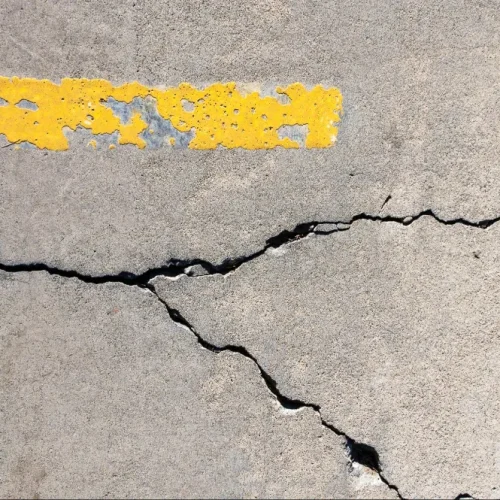
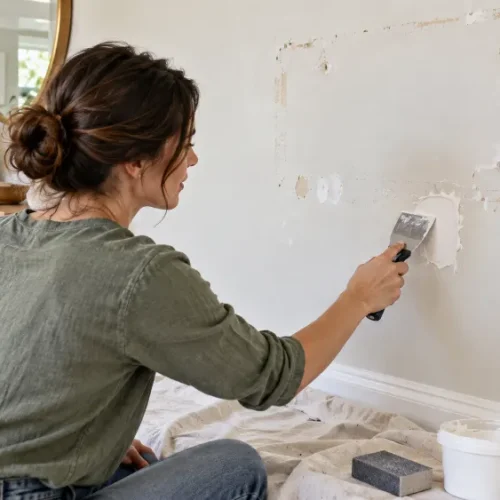
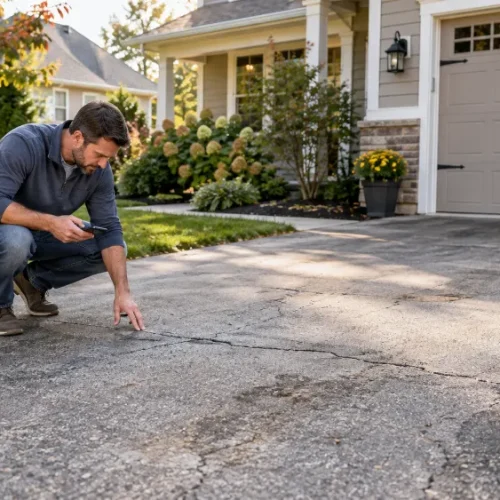
Start by looking at your home as if you are seeing it for the first time. Move from room to room and pay attention to the details you usually ignore. Check for loose railings, cracked tiles, exposed wires, and unstable furniture. Open and close doors and windows to see if they stick or drag. Walk outside and inspect pathways, driveways, and steps for uneven surfaces. Look at the lighting in hallways and entry points. If an area feels dim or awkward to move through, fix it. Small repairs often take little time but prevent bigger problems later. A careful walkthrough gives you a clear list of practical changes that improve safety right away.
Reinforce Doors and Main Entry Points
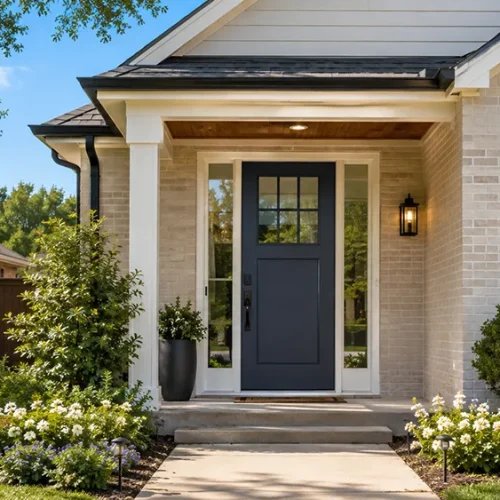
Your doors protect your home every day, so they need to work properly. Check that exterior doors close tightly and latch without force. Inspect the frames for cracks or soft wood. Replace weak strike plates with stronger metal versions secured by longer screws. Make sure hinges feel firm and do not shift when the door moves. Sliding doors should glide smoothly and lock without effort. If your home includes a garage, schedule routine garage door service to ensure the system opens and closes safely. Entry points should feel solid and reliable. When doors function well, they reduce risk and give your family peace of mind.
Improve Lighting Around the Property
Dark areas around a home create unnecessary risk. Walk outside at night and notice where shadows fall. Pay attention to walkways, corners, and entry doors. Install motion lights near driveways and backyards so you can see movement right away. Choose bulbs that provide clear light without glare. Indoors, check staircases and hallways. Add nightlights in areas where family members walk after dark. Good lighting prevents trips and helps you notice unusual activity quickly. Trim bushes and trees that block light from reaching paths or windows. When your home stays well-lit inside and out, you reduce blind spots and make daily movement safer.
Make Fire Prevention Part of Daily Life
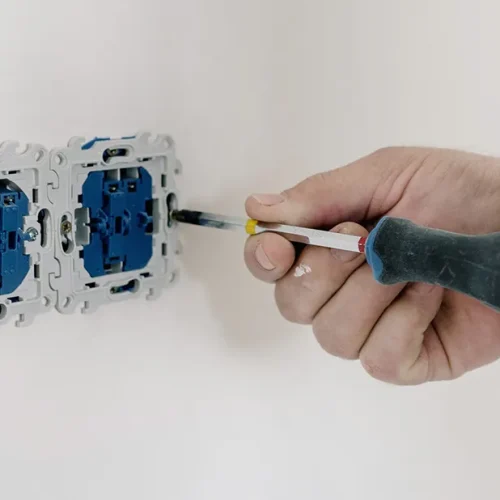
Fire safety starts with simple habits. Test smoke alarms every month and replace batteries when needed. Install alarms in bedrooms, hallways, and near the kitchen. Keep a fire extinguisher in the kitchen and learn how to use it before an emergency happens. Avoid overloading outlets with too many plugs. Check cords for damage and replace them if you see fraying. Store cleaning fluids, paint, and fuel away from heat sources. In the kitchen, never leave cooking unattended for long periods. Create a clear escape plan and review it with everyone in the house. Preparation reduces panic and helps your family respond quickly.
Reduce Slip and Fall Hazards Indoors
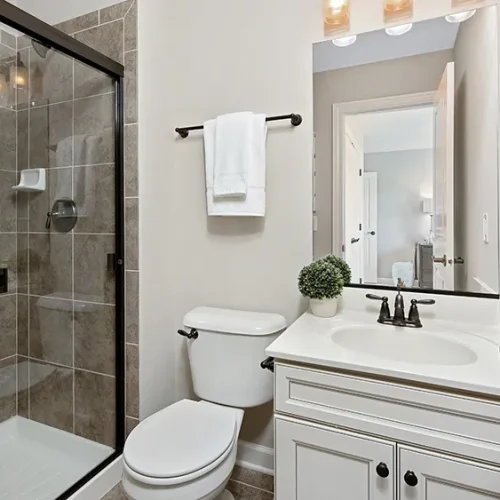
Falls happen quickly, often in familiar spaces. Start by checking rugs and mats. Secure them with non-slip backing or remove them if they slide easily. Keep walkways clear of shoes, cords, and small furniture. Install handrails on staircases and make sure they feel firm when you grip them. Bathrooms need extra care. Add grab bars near showers and toilets if needed. Use bath mats that stay in place. Clean up spills right away instead of waiting. Encourage children to avoid running indoors. When floors stay clear and stable, daily movement becomes safer for everyone in the household.
Secure Windows Without Blocking Natural Light
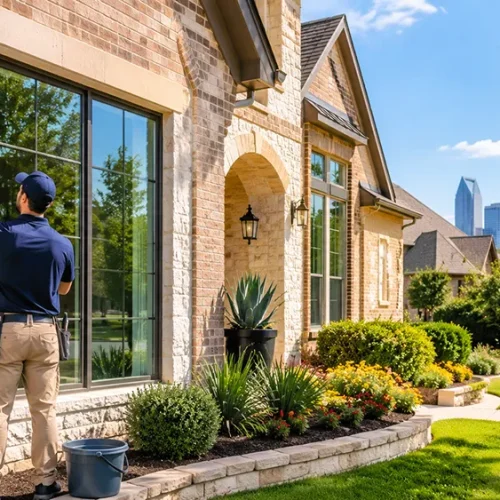
Windows provide light and fresh air, but they also need proper security. Start by checking that every window closes fully and locks without force. Replace broken locks right away. If you have sliding windows, make sure the tracks stay clean so they close tightly. Consider adding secondary locks or window stops, especially on ground-level windows. These allow ventilation while limiting how far the window can open. Repair cracked glass as soon as you notice it, since even small damage weakens the pane. Keep furniture away from windows in children’s rooms to prevent climbing. Secure windows protect your home while still allowing airflow and daylight.
Prepare Your Home for Severe Weather
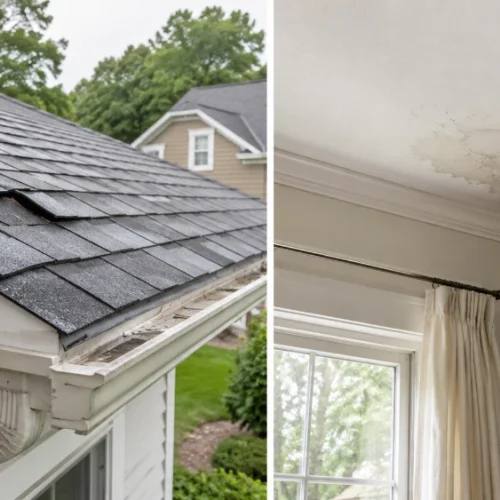
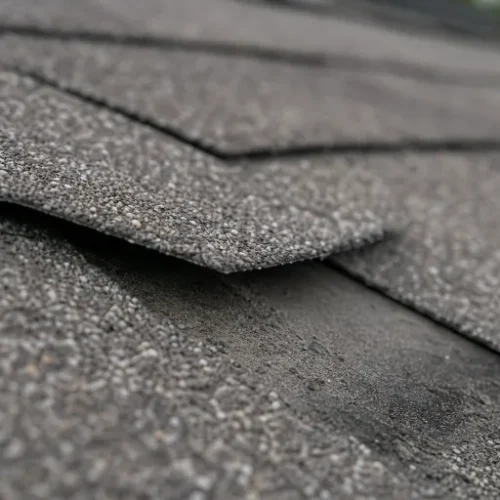
Weather can change quickly, so preparation matters. Inspect your roof for loose shingles and repair them before storms arrive. Clean gutters so water can drain away from your home’s foundation. Secure outdoor furniture and tools to prevent them from becoming projectiles in strong winds. Know how to shut off electricity, gas, and water if local officials recommend it during emergencies. Keep flashlights, batteries, bottled water, and basic supplies in one easy-to-reach place. If you live in a storm-prone area, review local safety guidance each season. Taking these steps reduces damage and helps your family respond calmly during extreme conditions.
Teach Practical Safety Habits at Home
Physical upgrades matter, but daily behavior shapes home safety. Teach children how to respond if a smoke alarm sounds. Show them how to unlock doors and where to meet outside during an emergency. Encourage everyone to lock doors and windows before leaving or going to bed. Remind family members to turn off appliances when not in use. Discuss how to handle strangers at the door without opening it. Make sure older children know basic emergency phone numbers. Review safety plans together at least once a year. When safety becomes part of routine life, it feels normal instead of stressful, and everyone knows what to do.
Creating a safer home does not require complex systems or major construction. It requires attention to detail and steady action. When you inspect entry points, improve lighting, reduce fall risks, and organize storage areas, you lower everyday dangers. When you prepare for fire and severe weather, you protect your family during unexpected events. Teaching simple safety habits strengthens these efforts. Each step may seem small on its own, but together they build a secure living space. Start with one area and improve it this week. Consistent care keeps your home reliable, practical, and ready to protect the people who live inside it.
FAQs
Creating a safer home involves identifying risks, making small upgrades, and practicing daily safety habits to prevent accidents.
You should do a walkthrough every few months or whenever you notice changes in your home’s condition.
Common hazards include loose rugs, poor lighting, faulty wiring, and unstable furniture.
Reinforce doors with strong locks, metal strike plates, and ensure hinges and frames are in good condition.
Good lighting reduces the risk of trips and helps deter unwanted activity around your property.
Install smoke alarms, keep a fire extinguisher, avoid overloaded outlets, and have a clear escape plan.
Use non-slip mats, keep walkways clear, and install handrails in high-risk areas like stairs and bathrooms.
Yes, unsecured or damaged windows can be entry points, so proper locks and maintenance are essential.
Secure outdoor items, inspect your roof, clean gutters, and keep emergency supplies ready.
Consistent habits ensure everyone knows how to react during emergencies, making the home safer overall.